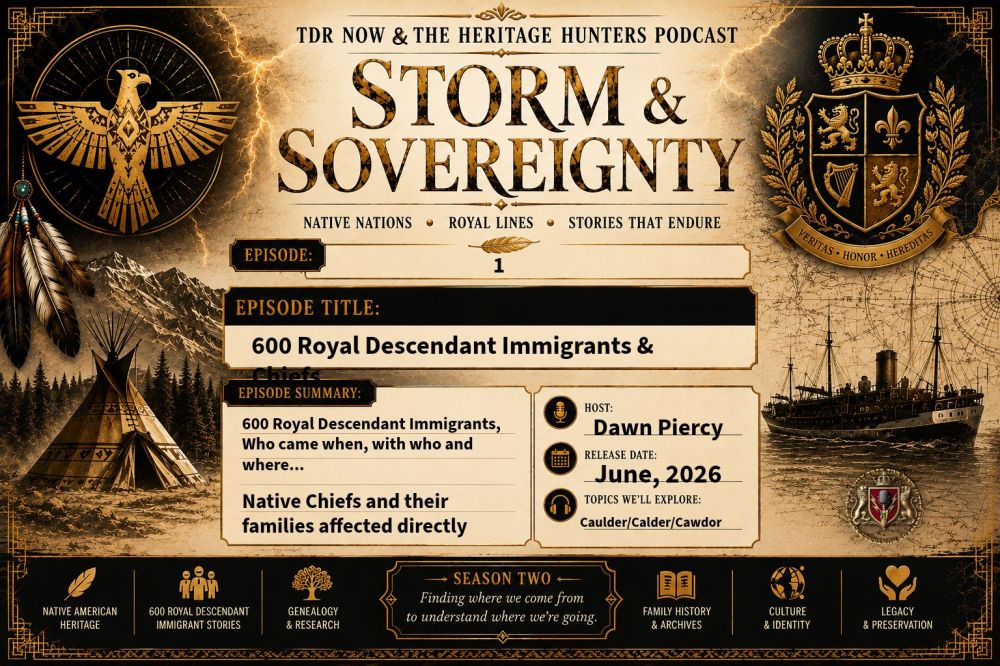
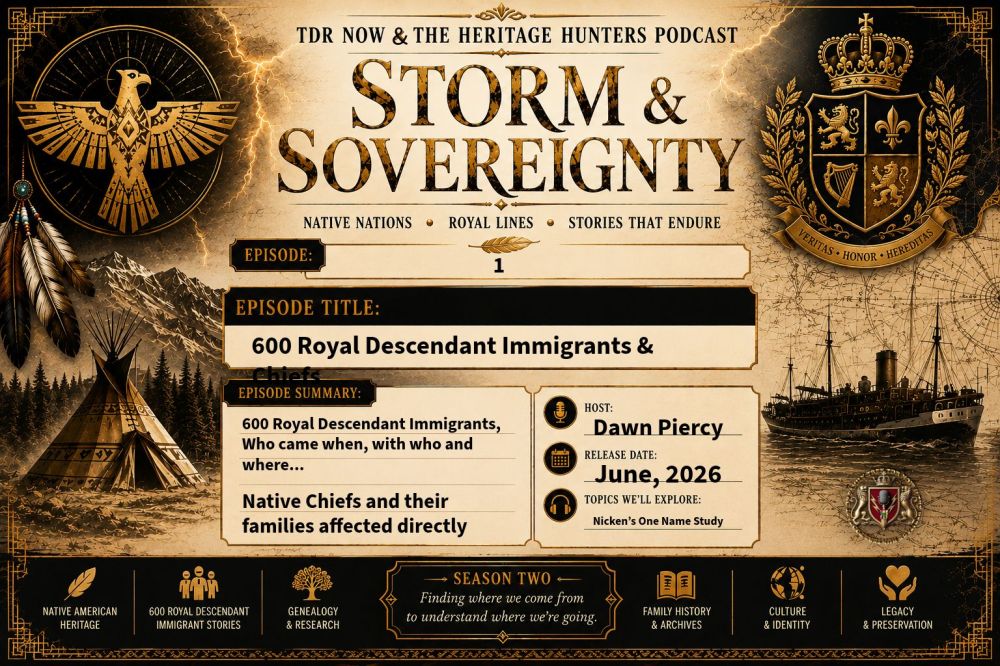
Hello, and welcome to season two of Tdr Now and The Heritage Hunters Podcast,
“Storm & Sovereignty” Episode 1.
Native Nations • Royal Lines & Stories that Endure
Metis • Caulder’s • the Nickens One Name Study & The Revolutionary War … and all the family tea that came with it, a whole kettle…
• To now…
Before you leave this … I am giving you a key to keep with you…
This is a 4 part episode/season broken down.
Each episode is roughly 10 minutes and can help guide you to finding your own ancestors. I am guiding you how for free…
How?
Timelines, real documented and researched timelines of real families. Their trials, tribulations, from the Indian removal act, the African removal act, anyone mixed along with them. The government kept them moving on foot, even after serving the country and the sacrifices, suffering they endured, their resilience and strength go unprecedented. True warriors that gave themselves too help others because it was what was right.
Music helped them survive. From those that walked the Trail of Tears and all they sang. Amazing Grace. In Cherokee.
From my maternal great grandmother, the 1st Caulder woman in my line and last of the Caulder name in our direct line, raising my mother back to the immigrants that came here, and on what boat they came. From 600 Royal Descendants, to their indentured servants, Royal slaves, and non royal slaves too, from Africa, Ireland and European families, people surrounding them, Native Chief lines. I also touch base on the Meti’s from my fathers side.
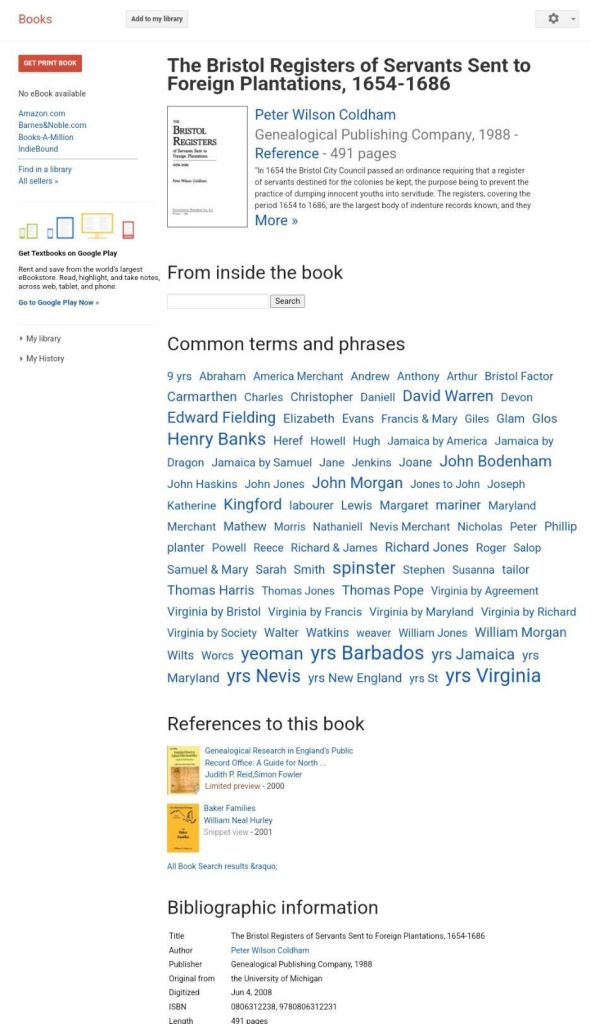
I’m bringing you names, places, people, sources and books. References with links from Princeton to other official sites. Learning about this can help you explore and lead you to finding your own family.
It is hard and tedious at times to find this information. The key I am giving you today is where to look of you know who you are looking for…in giving you is where to look is in specific books, documents, studies, national archives, death, birth, marriage records, baptisms, churches, some paid as tithing…
What I will not be speaking on… is my immediate family surrounding and hardships. Maybe I should. Generational trauma passed on is real. From my side and my late husbands. This is not about right now at the moment but rather the hardships endured that those passed on. Releasing my strongholds to them, and probably best I add maybe a special episode after this 4 part series. I am unsure yet. We shall see. Follow along. It becomes healing.
Before we start…
What is Meti’s?
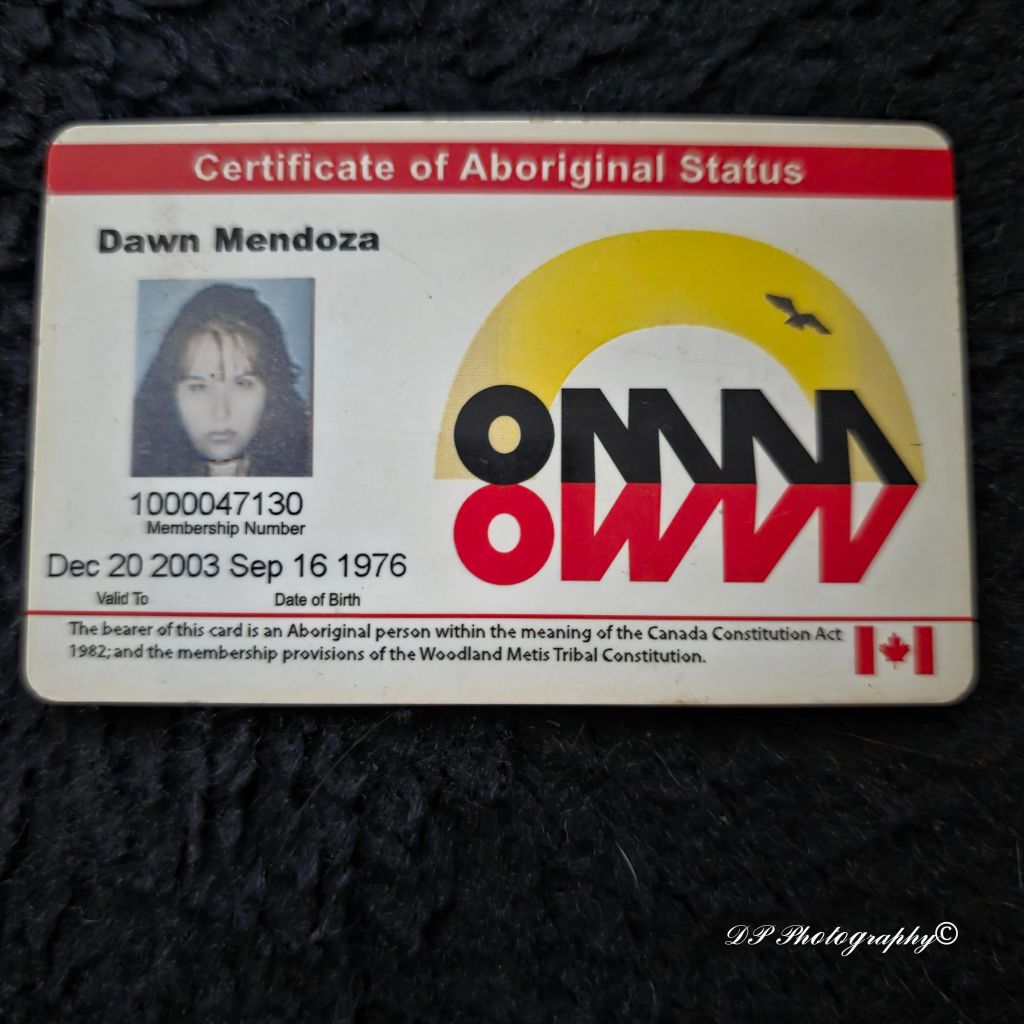
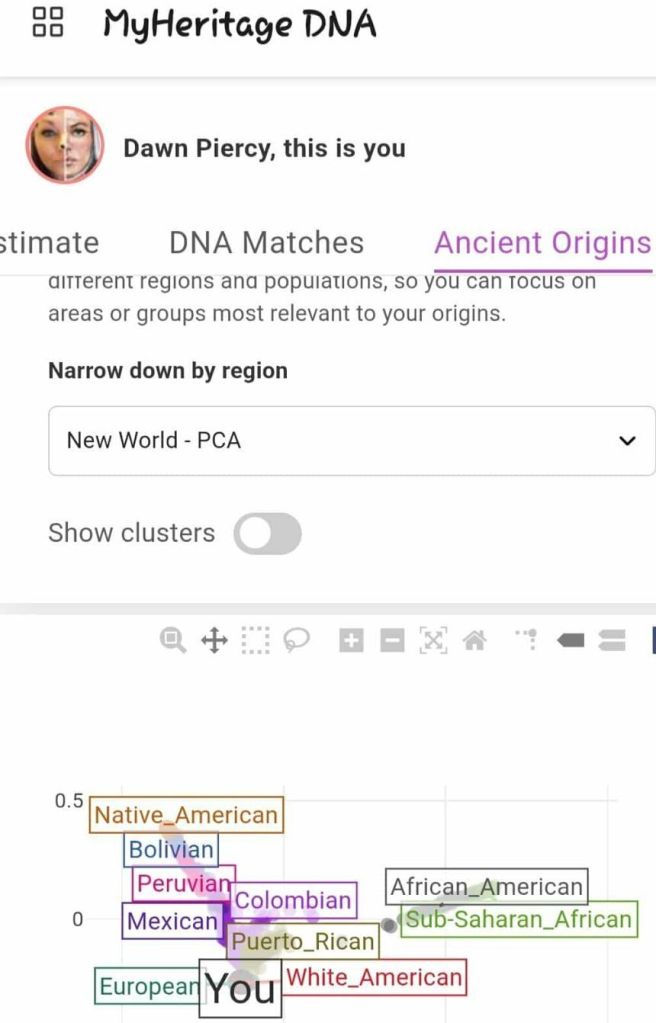
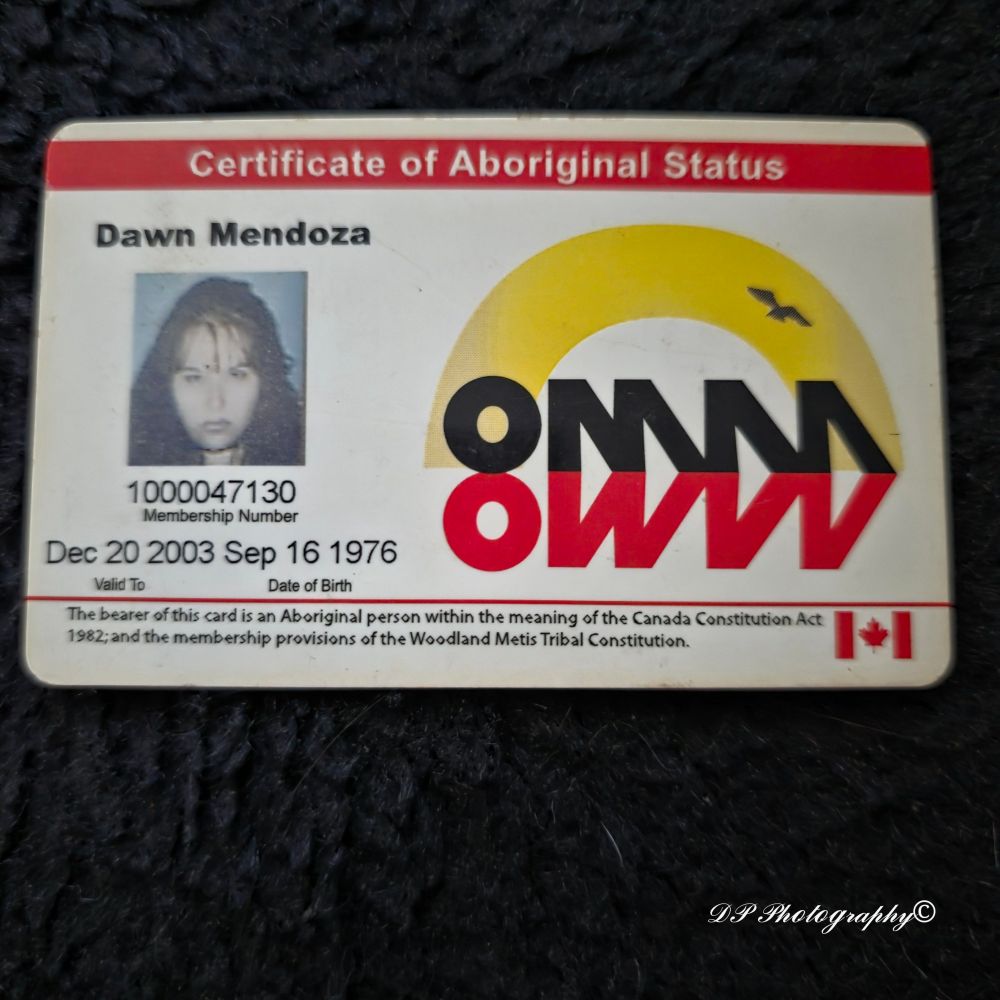
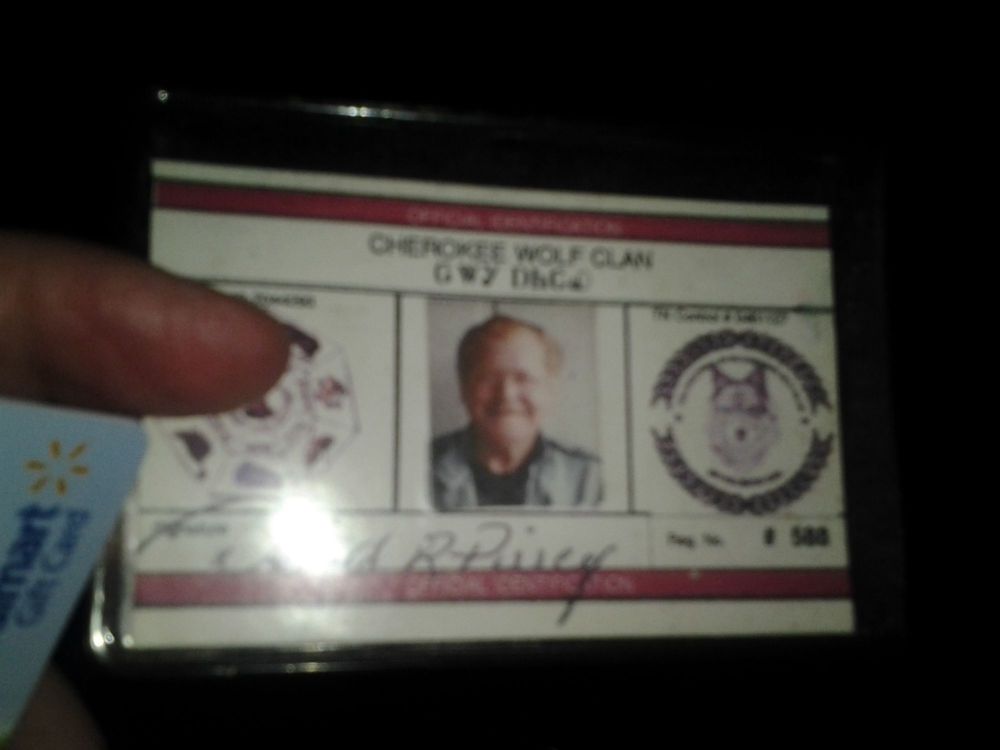
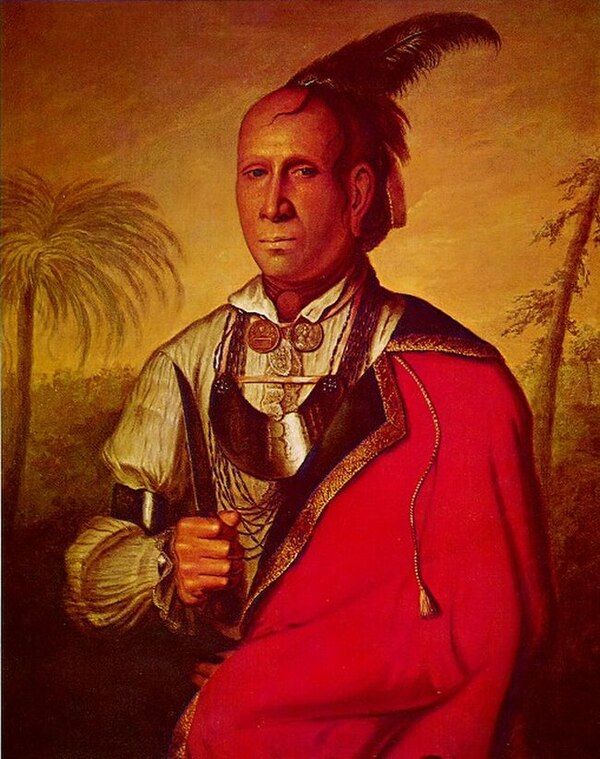
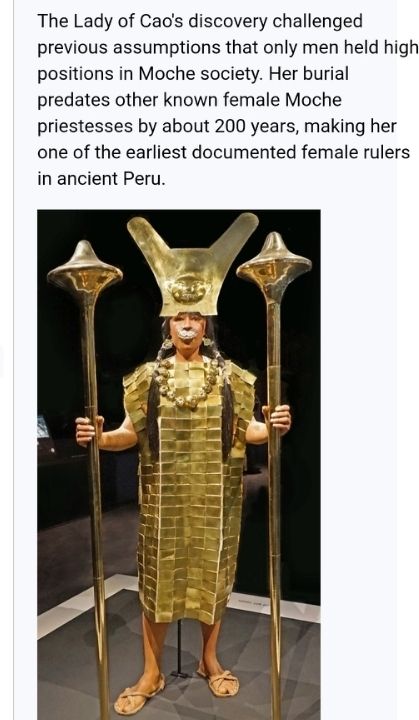
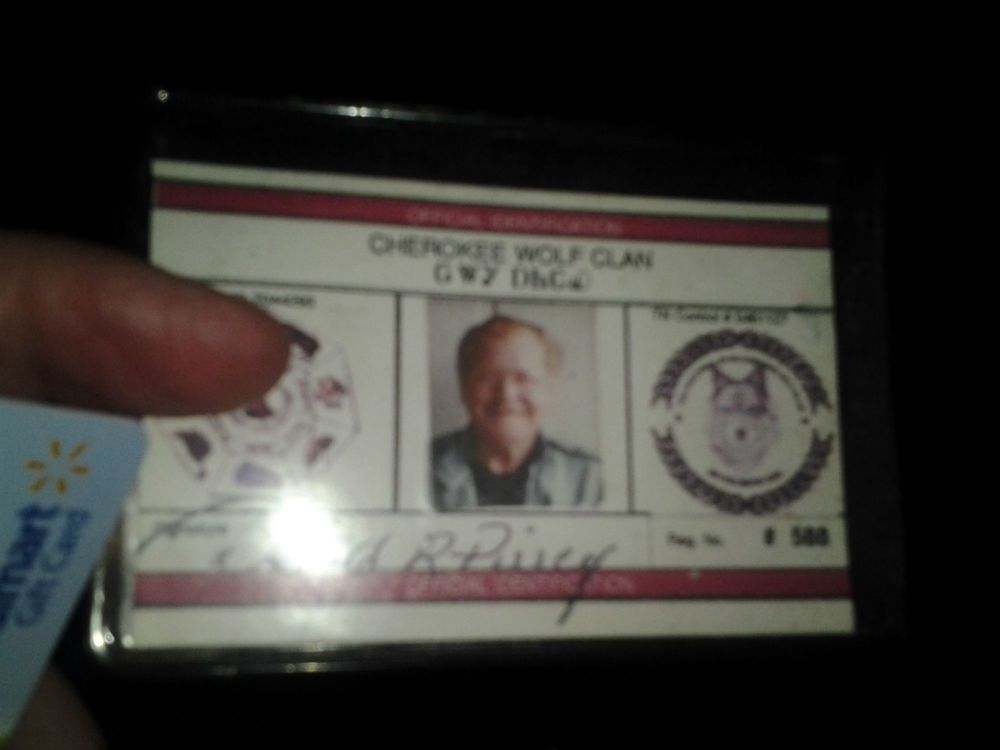
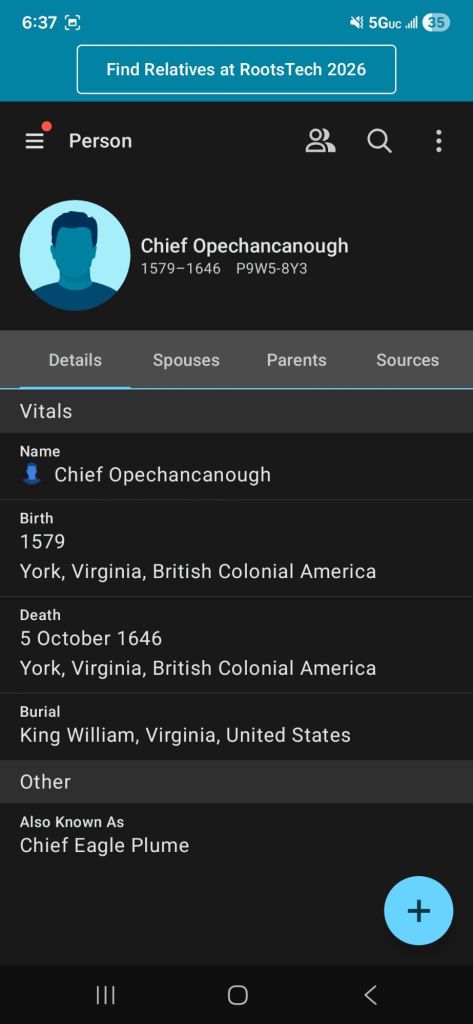
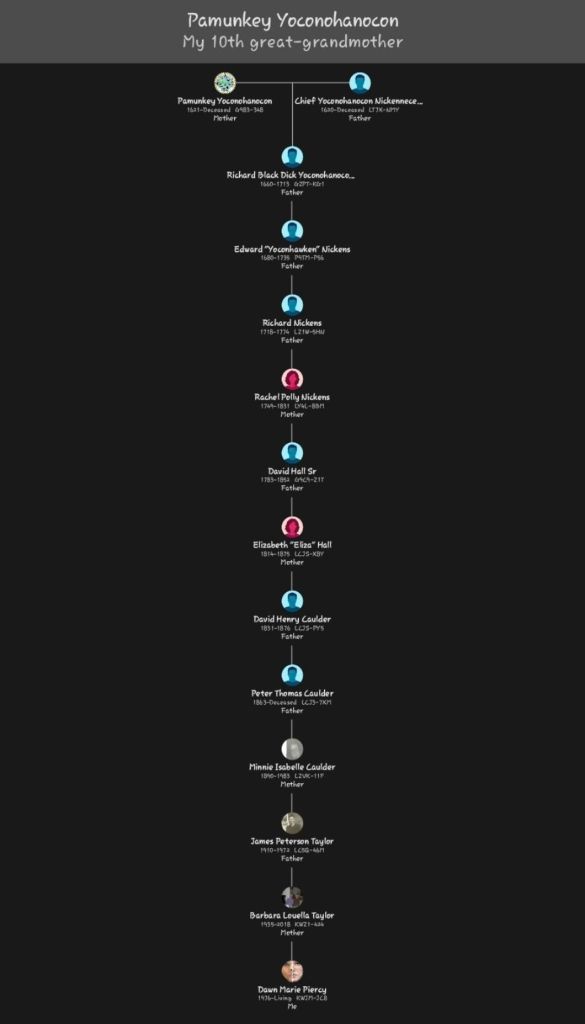
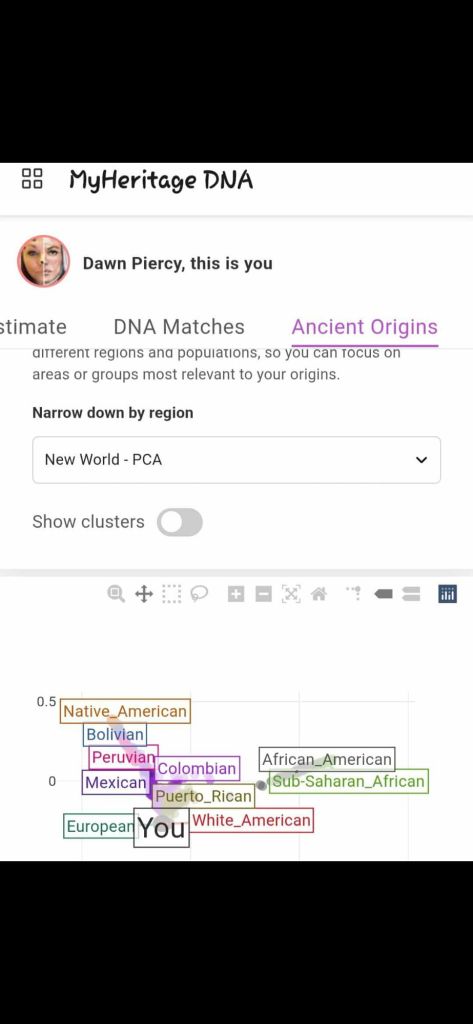
Meti’s means of aboriginal and european (mainly French) origin and mixed african too usually in Canada. I was secretary for a little time via the Nimkee Band of the Woodland Metis working on the Jay treaty between the US and Canada to ensure Natives kept their rights while traveling abroad and how I obtained my card along with 3 or more DNA connections and documented sources with proof and names and my tree more than 7 generations of indigenous roots on this land that that go back to over 10k years with testing positive to the native american Spirit Cave Mummy, Lady Cao of the Moche in Peru, a 7 year old Incan Sacrificed Boy, as well as other Native Americans from the Chippewa tribe too that showed up in the DNA test, not just European, African, Asian. The whole medicine wheel so to say. All Chiefs so far, only 1 I know that is the unidentified Native American man in the family and shown below.
Indigenous Peoples in Canada and America too: The Métis are a distinct Indigenous nation with a unique culture, language (Michif), and history born from the unions of European fur traders and First Nations women and Indigenous of North America as there were no boarders before Europeans.
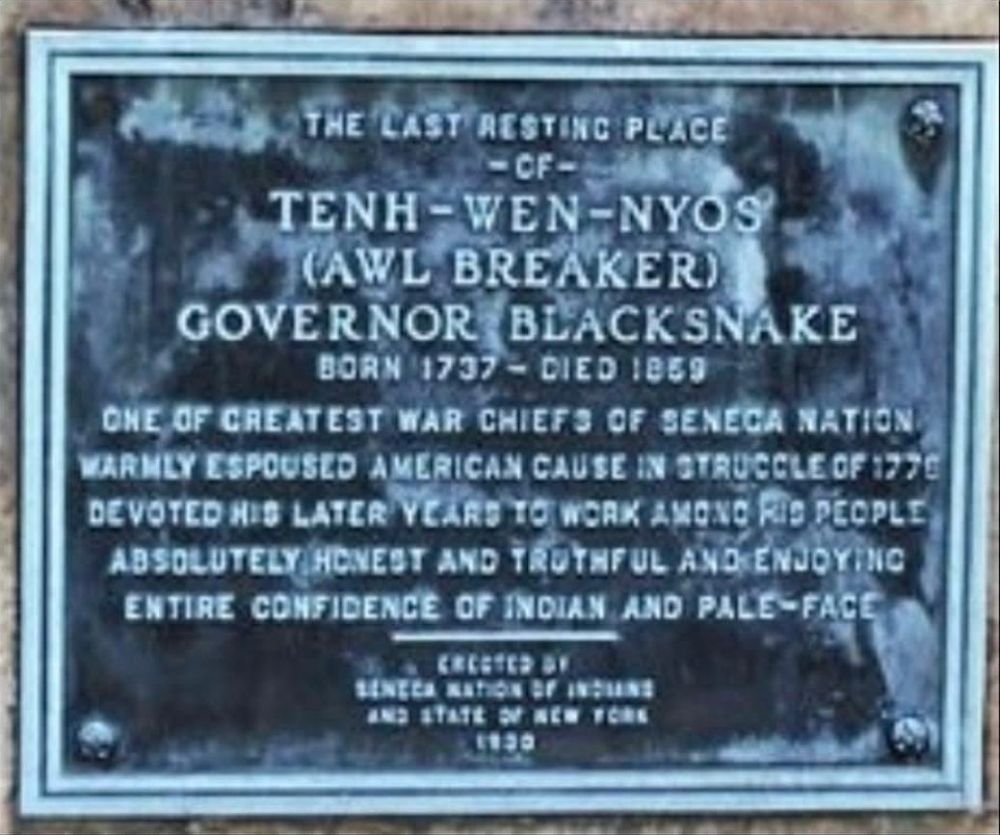
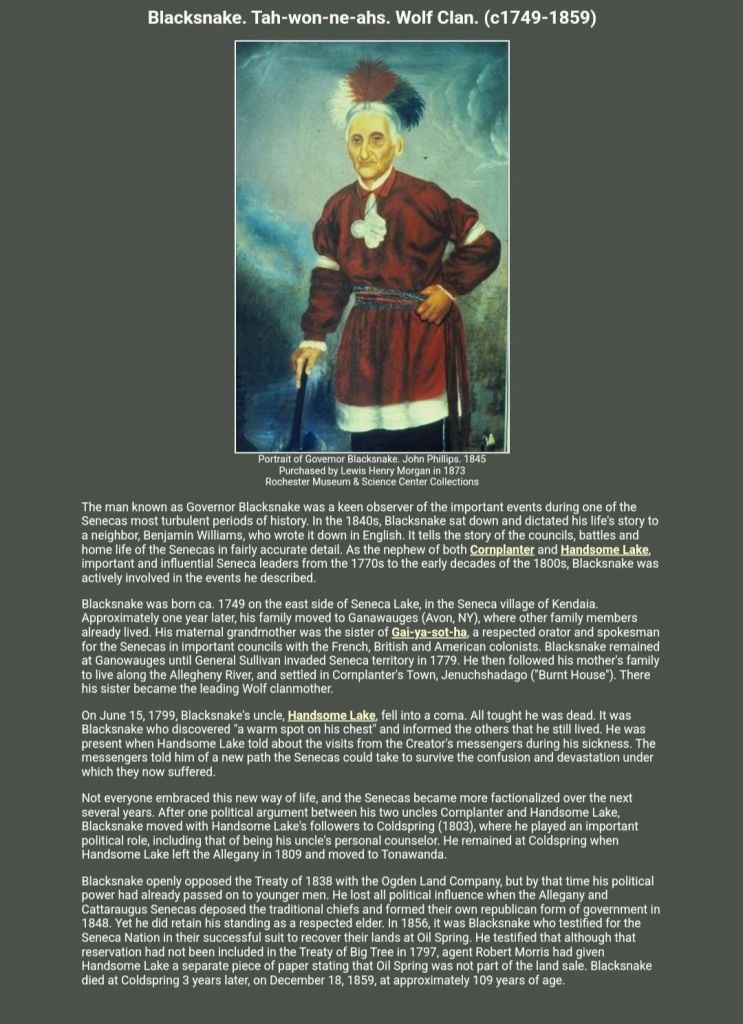
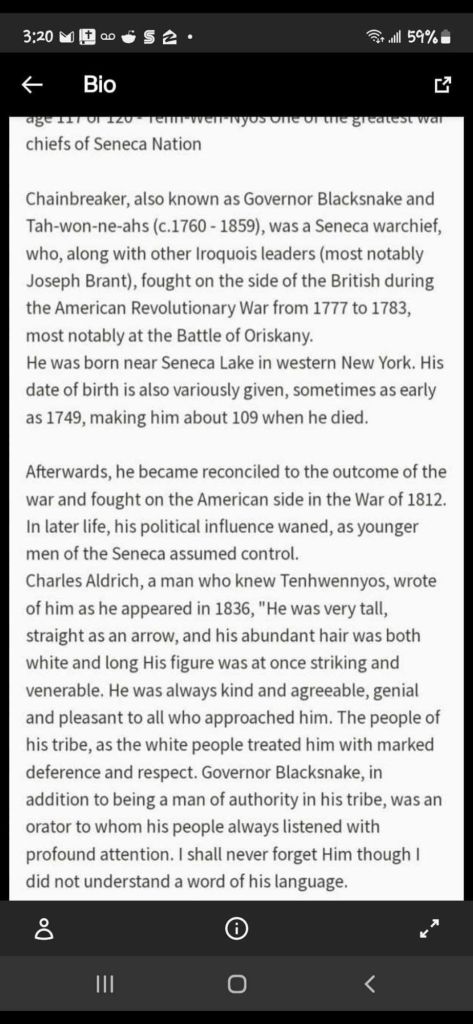
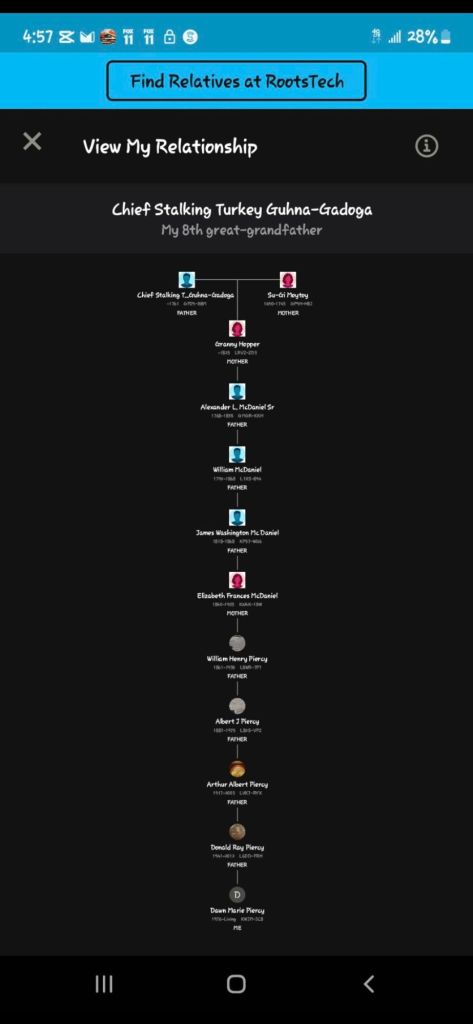
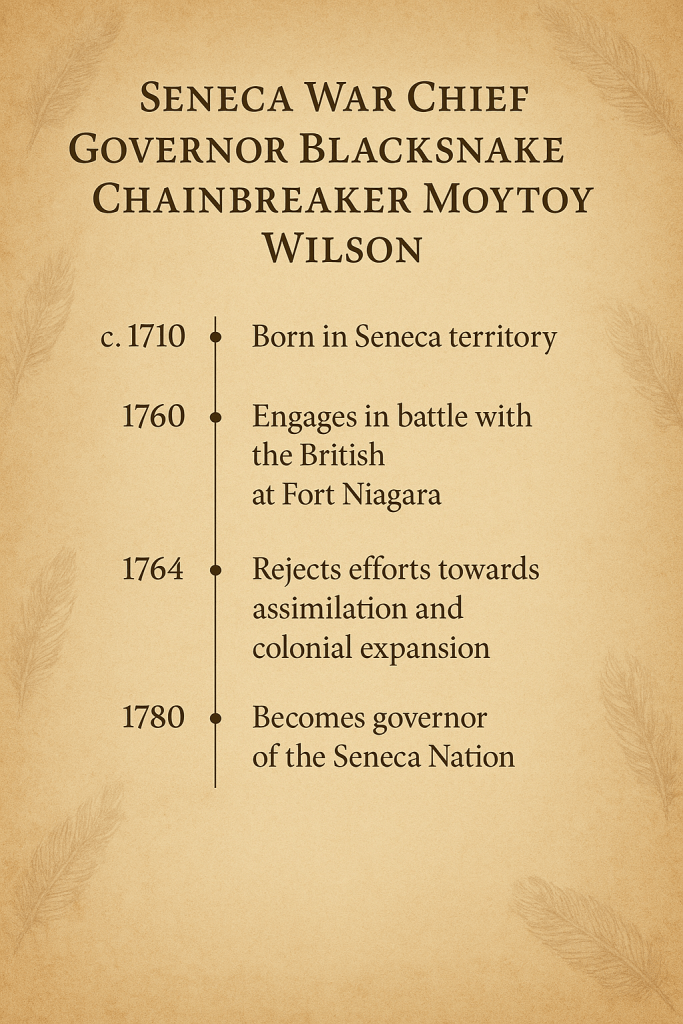
They are one of the three recognized Indigenous peoples in Canada, alongside First Nations and Inuit. Learn more via the Métis National Council. But not federally recognized in America though recognition exists in 501c3 and local State Accepted tribes, clans, etc. TCIA the Tennessee Commision of Indian Affairs has done a horrible job in helping indigenous people as well as have not helped in maintaining cultural identity and awareness. A true shame. As we discuss this as well. I am 7th generation of the Cherokee Wolf Clan Matriarch Granny SuGi (Ol Hop) Moytoy daughter of the Cherokee War Chief Stalking Turkey. This is also where the Senecas War Chief Govenor Blacksnake Chainbreaker Wilson Comes into play and the Revolutionary War as well. He is also a direct ancestor. My 7th great grandfather and also Wolf clan. I am Wolf Clan on my maternal side as well as my father. Blue Paint Clan and Longhair Clan married into the family.
The Cherokee tribe is made up of 7 clans, 7 grandmothers that are Clan keepers and matriarch. I am grateful to be 7th generation.
Today we discuss the Caulder family, as their origins on both side of the family.
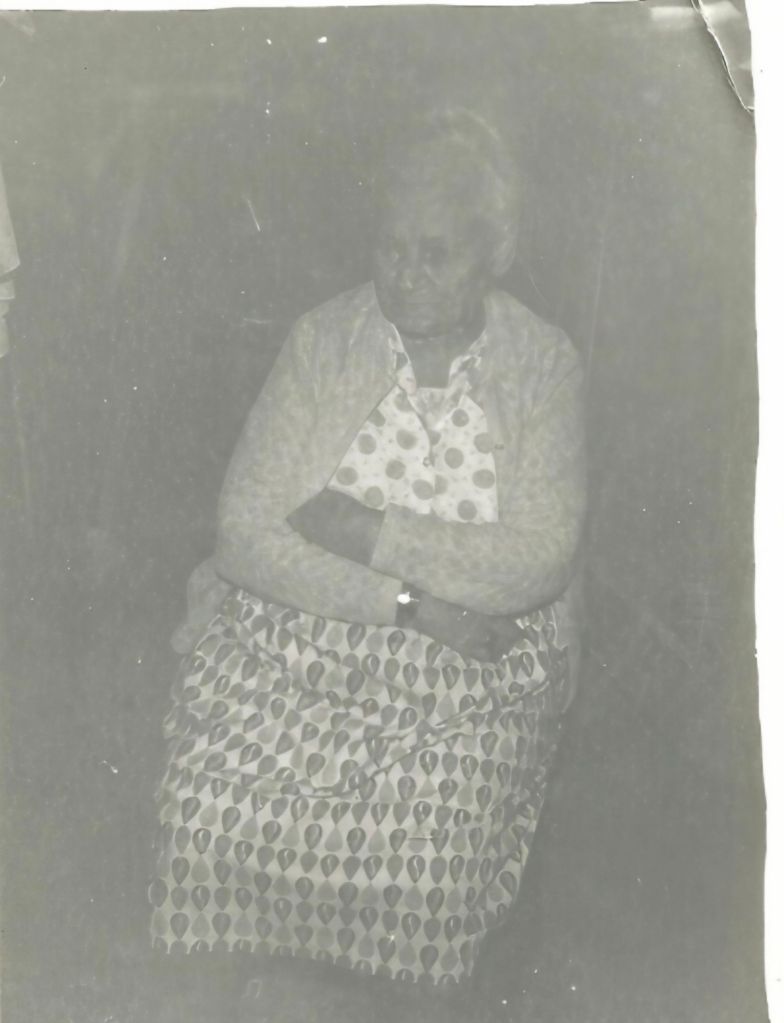
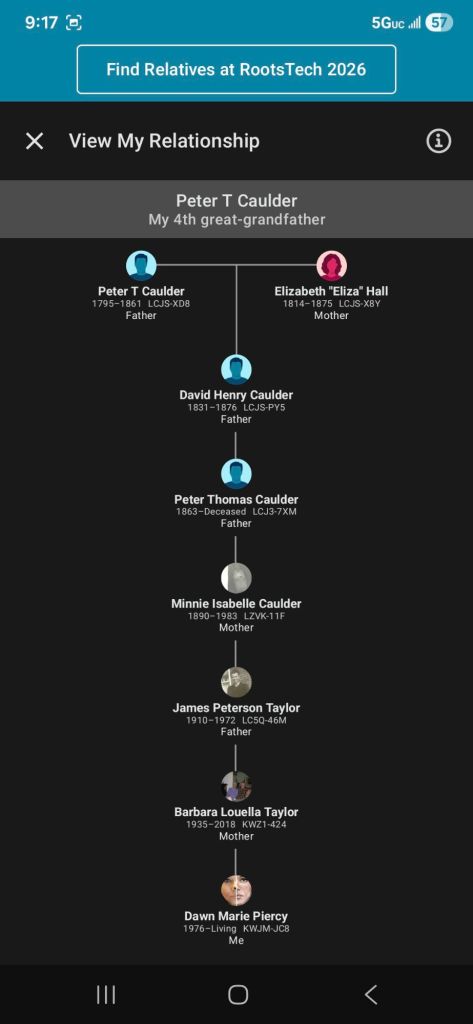
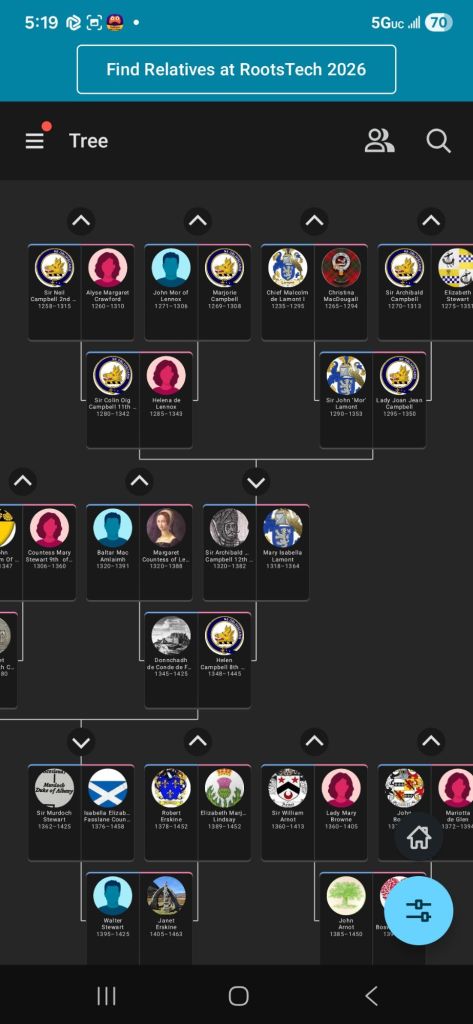
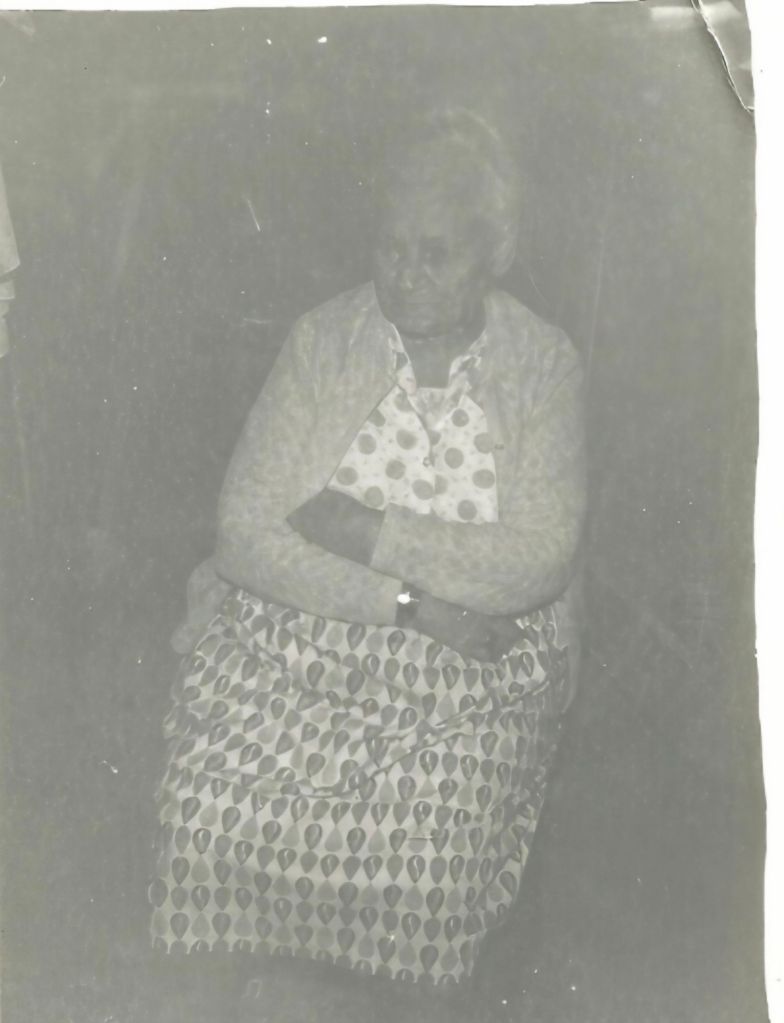
Let start with Minnie Caulder aka Minnie Taylor. My maternal great grandmother. The great granddaughter of Peter T. Caulder, daughter of Peter Caulder II and first Caulder woman in this line, and goes straight to the Thane of Cawdor on the European Settler side whom was an immigrant to Scotland given land and named it Cawdor, and lived in Cawdor, Scotland but was originally from France.
Grandma Caulder to my mom. She was a mulatto woman, actually Metis. She helped raise my mother and they lived in a long house in East St. Louis area now known as Chahokia, Illinois. Originally there from Bolling, Missouri, which was originally Arkansas, and before that South Carolina, and Virginia. Also found with her name is a daws roll number under Minnie Taylor. She checked in at a roll number with 0’s in the front and single digit. Showing at some point had gone in another direction. My grandmothers trail has leg me there several times. As if this is her or another Minnie Taylor I have yet to find. It shows she is of mixed african and european origin.
Minnie Belle Caulder / Taylor
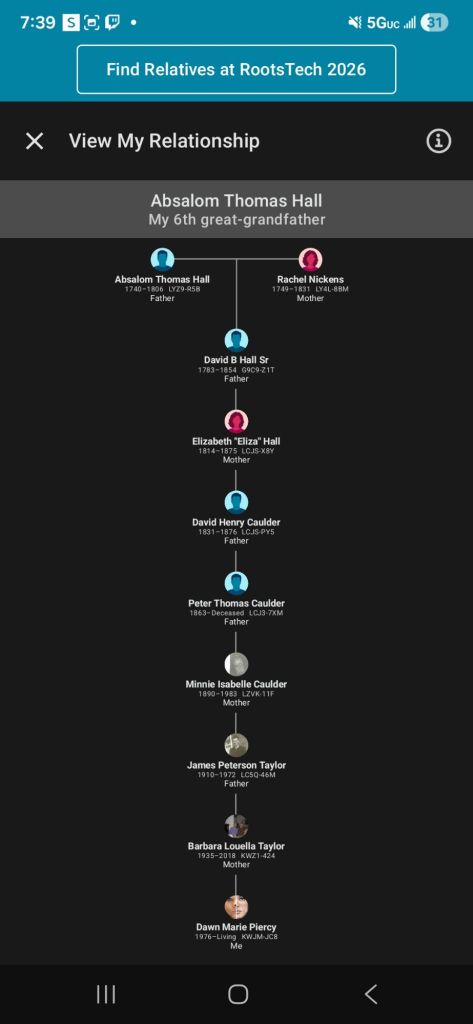
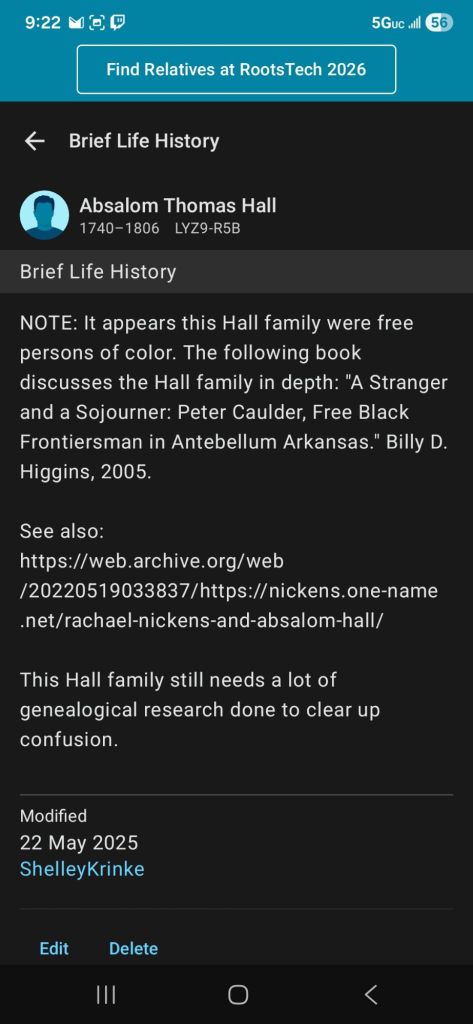
There is not alot of information on Minnie’s father Peter Caulder II, son of David Caulder son of Peter T Caulder and Eliza Hall. Documents are fragmented due to the move. I am putting them back together for my line.
…
The Route of Peter T Caulder and Family
🧬 First: what is historically verified (anchor point) We do have a confirmed, documented base: 🪶 Peter Caulder (1790s–1850s) Free Black soldier (War of 1812)(Mulatto/Metis) Settled in Arkansas Territory (White River / Marion County area) Married Eliza Hall another half indigenous woman that has been labeled as african american. Feom what research I have she may also be African and European Mulatto/Metis/ as it shows her father as an unknown Native American man so far.
They had multiple children including a documented son David Caulder my 3rd great grandfather whom was also forced out of Arkansas in 1859 exclusion law Family relocated to Missouri after expulsion. Then to Illinois and Indiana where my mother passed.
Peter T. Caulder my Maternal 4th Great Grandfather
Encyclopedia of Arkansas 👉 Key detail:
His son David is explicitly documented as relocating to Missouri and serving in Union service there
Encyclopedia of Arkansas So the Arkansas → Missouri move is real and documented. 🧭 “David Henry Caulder is the son of Peter T. Caulder and Eliza Hall(*Caulder) he was born in 1831 Arkansas, died in Missouri”
This breaks into 3 parts that we have to separate carefully:
Music that played a role for my family include singing “Amazing Grace” on their long journey my grandmother told me personally. That included singing in Cherokee. My mother grew up in her youth, raised by the Caulder family in East St Louis before it became Chahokia. based on their era (early 1800s Arkansas frontier) and community, their musical environment would have likely included: 1. Early American folk music Fiddle tunes brought by Scots-Irish settlers Dance music for community gatherings (jigs, reels) my parents raised me on this, my grandmother played her fiddle, sang to me and accordion for me often. She toured live, played and sang as Minnie Pearl. 2. Spirituals and early Black folk traditions Work songs Early spiritual hymns (pre–Civil War era church and gospel music) sometimes sang in Cherokee. Call-and-response singing traditions in free Black communities 3. Frontier/folk/jazz storytelling songs Ballad-style oral storytelling songs Songs passed between soldiers, travelers, and settlers (this is my inspiration for my music mixed with ancient cultural tunes) 4. Native American musical influence (regionally present) Drum-centered ceremonial music from Cherokee and neighboring nations (depending on interaction) 5 civilized tribes and the Freedman that followed.
Peter Caulder – Wikipedia https://share.google/BZYMeGj8uP6YVEQOd Peter Caulder was a soldier in the war of 1812 and settler in Arkansas, until he and other African American residents were driven out of the state by an 1859 state law that forbid African Americans from residing in the state. A native of South Carolina he married Eliza Hall. Arkansas governor Asa Hutchinson proclaimed a Peter Caulder Remembrance Day. Historian Billy D. Higgins wrote a book about him. Caulder’s name was added to the war memorial to the War of 1812 on the Arkansas Capitol grounds.
Peter T. Caulder and Eliza Hall are my maternal 4th great grandparents … References 1. “Encyclopedia of Arkansas”. Encyclopedia of Arkansas. Higgins, Billy D. (1999). “Peter Caulder: A Free Black Soldier and Pioneer in Antebellum Arkansas”. The Arkansas Historical Quarterly. 58 (1): 80–99. arkansas.gov Middleton, Stephen (July 26, 2007). “A Stranger and a Sojourner: Peter Caulder, Free Black Frontiersman in Antebellum Arkansas (review)”. Civil War History. 53 (1): 71–73. – via Project MUSE. “Pioneer expelled by Arkansas honored; monument on state Capitol lawn adds black 1812 soldier”. Arkansas Online. September 24, 2017. Caulder, Peter – Encyclopedia of Arkansas Peter Caulder was born in Marion County, South Carolina, and was of African descent. The U.S. Army listed him as “a colored man.” In three U.S. censuses, he was categorized in race as “mulatto.” His life in Arkansas represents the success free blacks could achieve prior to their banishment by the state government. At the beginning of the War of 1812, seventeen-year-old Peter joined a state militia unit for three months. He was discharged without seeing any action in the war. When the British burned Washington DC in August 1814, Peter Caulder and his father, Moses Caulder, joined the Third U.S. Rifles and marched with the regiment to defend the capital. Four other Marion County mulattoes, friends and relatives of the Caulders, enlisted at the same time and served integrated with the Southern whites recruited for this regular army unit.
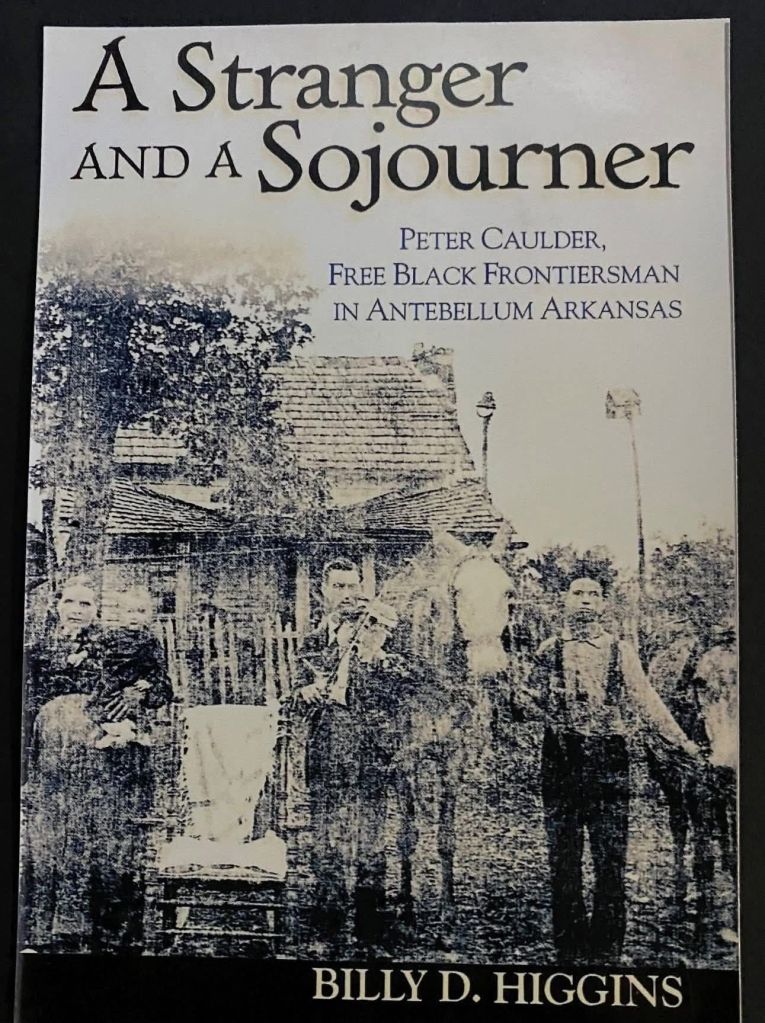
Read more here… https://share.google/PqdcmJcVODE1NUpUH For additional information: Field, Hunter. “Pioneer Expelled by State Honored.” Arkansas Democrat-Gazette, September 24, 2017, pp. 1B–2B. Online at https://www.arkansasonline.com/news/2017/sep/24/pioneer-expelled-by-state-honored-20170/ (accessed October 4, 2023). Higgins, Billy D. “Peter Caulder, Ozark Homesteader.” Ozarks Watch, Series 2, Vol. 9 (Fall/Winter 2020): 20–27. ———. A Stranger and a Sojourner: Peter Caulder, Free Black Frontiersman in Antebellum Arkansas. Fayetteville: University of Arkansas, 2004. Billy D. Higgins | University of Arkansas at Fort Smith A Stranger and a Sojourner | University of Arkansas Press DO NOT PAY TO READ …
I found a place you can READ for FREE HERE A stranger and a sojourner : Peter Caulder, free Black frontiersman in antebellum Arkansas : Higgins, Billy D., 1938- : Free Download, Borrow, and Streaming : Internet Archive https://share.google/dnSNWJtrNwK9J7L29
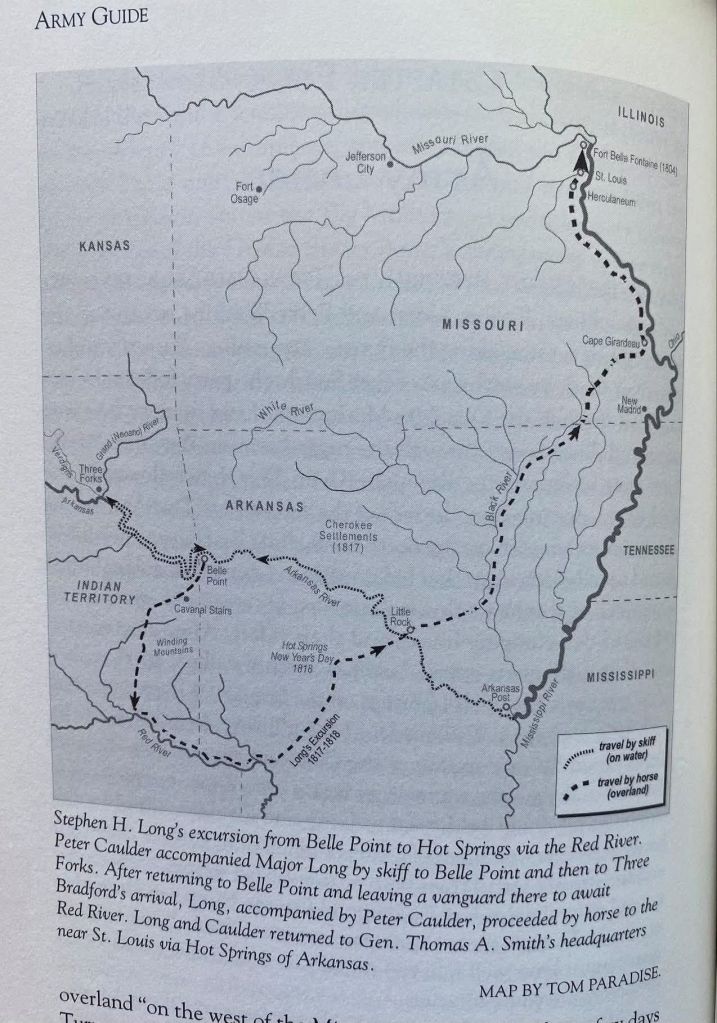
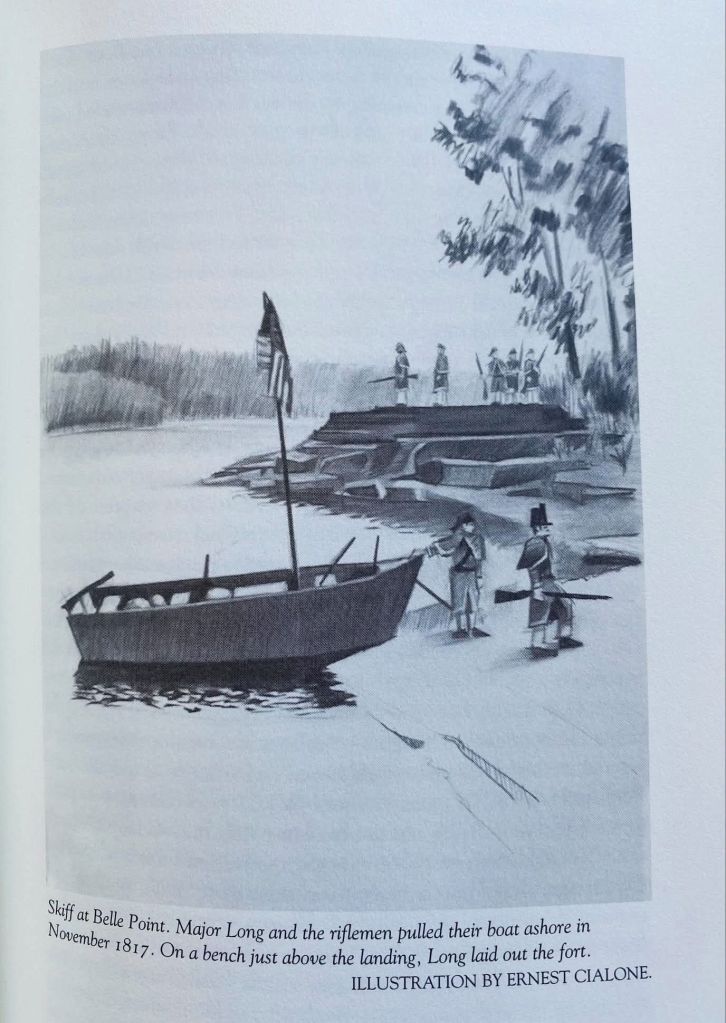
I found a post on Facebook about Black History Month that mentions Peter T. Caulder. #BlackHistoryMonth Major William Bradford and an elite rifle regiment established the first Fort Smith in 1817. Among the sixty-four man regiment were four African-American soldiers, Peter Caulder, Jospeh Clark, James Turner, and Martin Turner, soldiers from Marion County, South Carolina. In 1817, Fort Smith was an Army out-post at what was then called Belle Point by the French trappers and fur traders who traded up and down the Arkansas River.
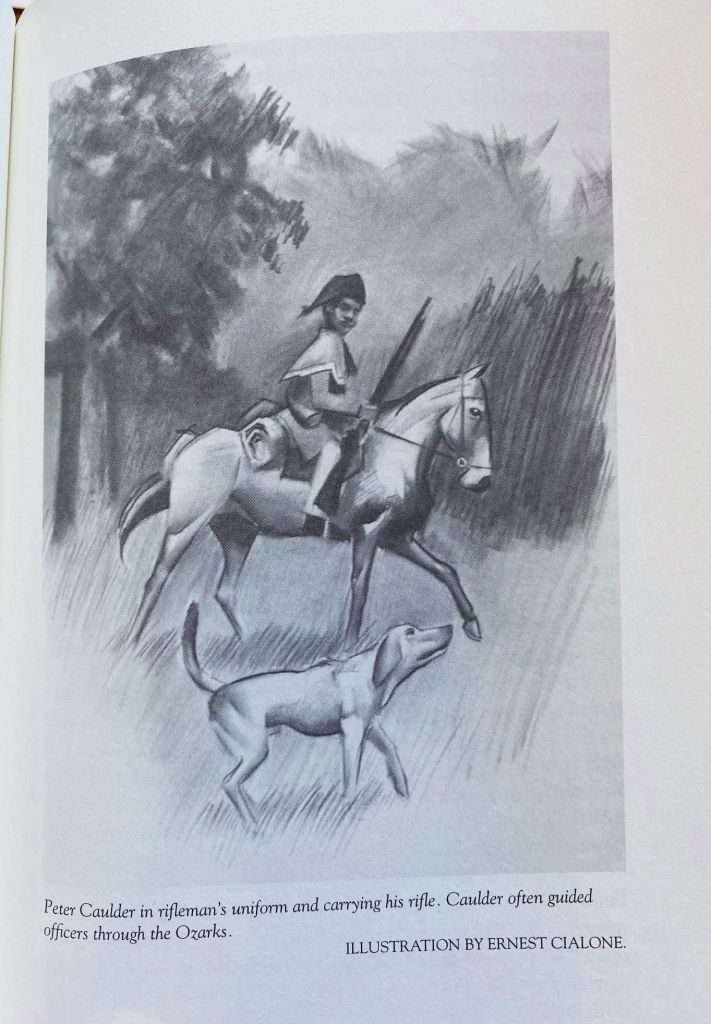
Peter Caulder and Martin Turner were chosen as scouts to go ahead of Major Bradford’s regiment and accompany topographical Army engineer, Major Stephen H. Long to select the site of the Fort.
Private Peter Caulder was a veteran of the War of 1812 upon his arrival at Fort Smith. According to Billy D. Higgins, author of ” A Stranger And A Sojourner: Peter Caulder, Free Black Frontiersman in Antebellum Arkansas”, …”Pvt. Peter Caulder paddled his way up the Arkansas River as part of a rifle company sent into the heart of a newly expanded United States. This adventure resulted in his settling far from the Carolina sandhills where he was born and spent his boyhood. As a soldier at Fort Smith and Fort Gibson, he compiled a commendable record. Combined, he served more than fourteen years in the South Carolina militia, the U.S. Rifles, and the Seventh Infantry.”
Continued from Higgins, “…Caulder’s relationships with his white and black neighbors in the territory, his integrated service in the United States Army, and his liberty about where to live and how to earn a living reveal a remarkable degree of independence for a free black man in the antebellum South.”
After his military service, Caulder transitioned to a life of relative ordinary-ness. He married and raised a family on Cawlder Mountain, a farm above the White River near the Missouri border. The Arkansas Free Negro Expulsion Act of 1859 changed the world of Peter Caulder and his family. The Arkansas General Assembly passed a bill in February 1859 that banned the residency of free African-American or mixed-race (“mulatto”) people anywhere within the bounds of the state of Arkansas.
Billy D. Higgins writes, “Peter Caulder, War of 1812 veteran, elite rifleman, pioneer of Arkansas Territory, his wife, Eliza Hall Caulder, and their seven children were about to become refugees from the state of Arkansas.” Higgins continues, “Today, Caulder cast a farewell glance around the flat-top mountain that bore his name. He heard familiar, soul-satisfying sounds: the mellow call of a catbird, an excited bark from a gray squirrel, and the snort of his saddled horse. In spite of these little pleasures, Caulder was saddened more than he had ever been in his sixty-four years. His sorrow welled up from the great trial that his family now faced. This present test came not from nature, but from a law passed by a group of white men who had no idea about the quality of the history of the people that their legal maneuverings were most directly, and most adversely, affecting. Negro slavery, John Brown, and fear of insurrection had clouded the minds in Little Rock…”
Quoted text and illustrations are from the book, “A Stranger And A Sojourner: Peter Caulder, Free Black Frontiersman in Antebellum Arkansas” by Billy D. Higgins.
Watch Episode 1 of “Storm & Sovereignty” BELOW
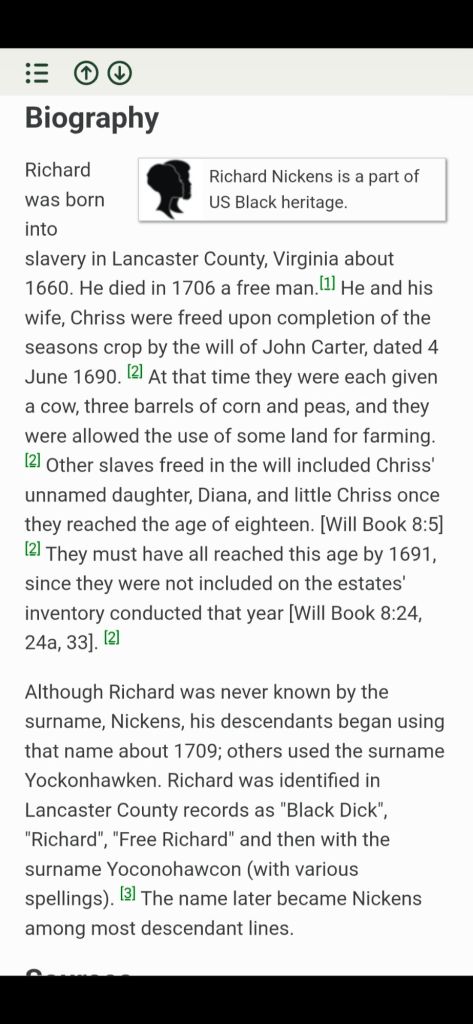
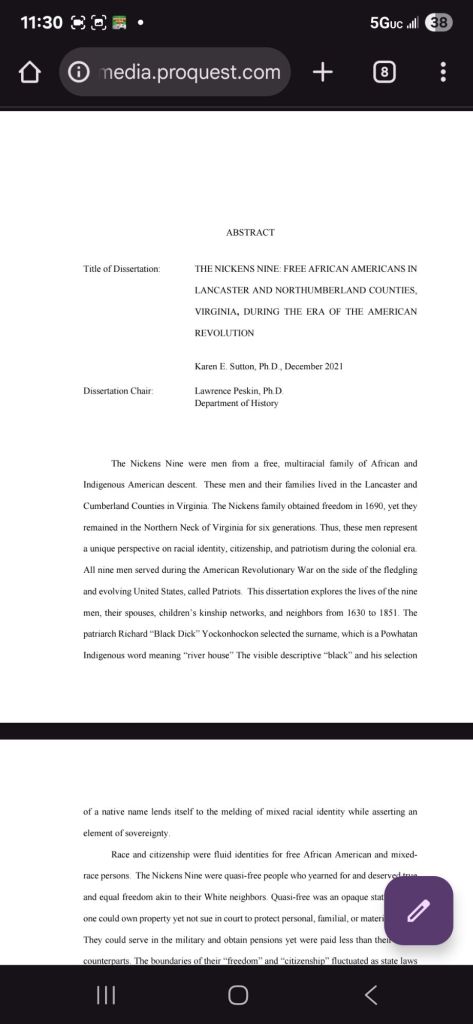
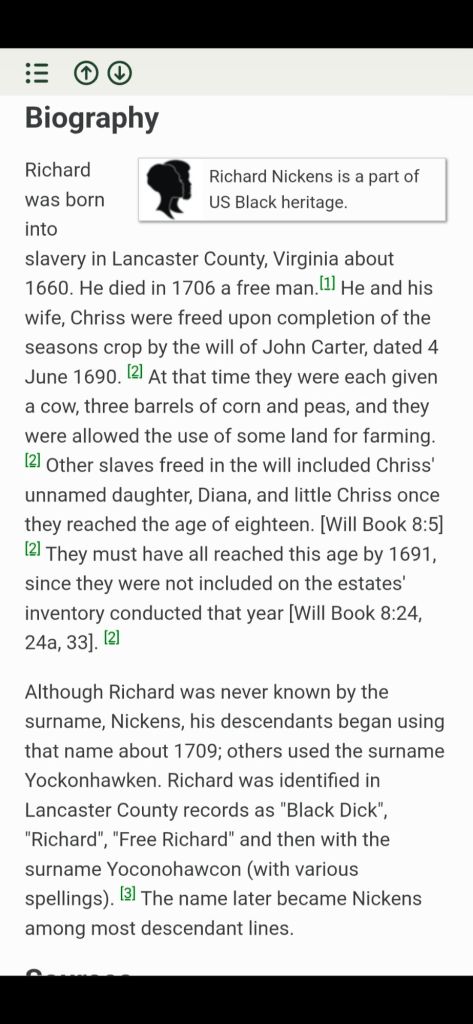
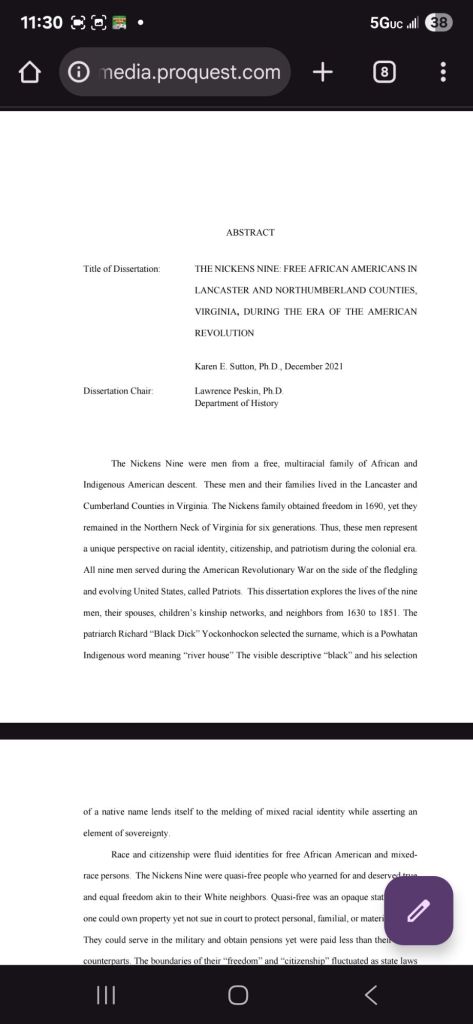
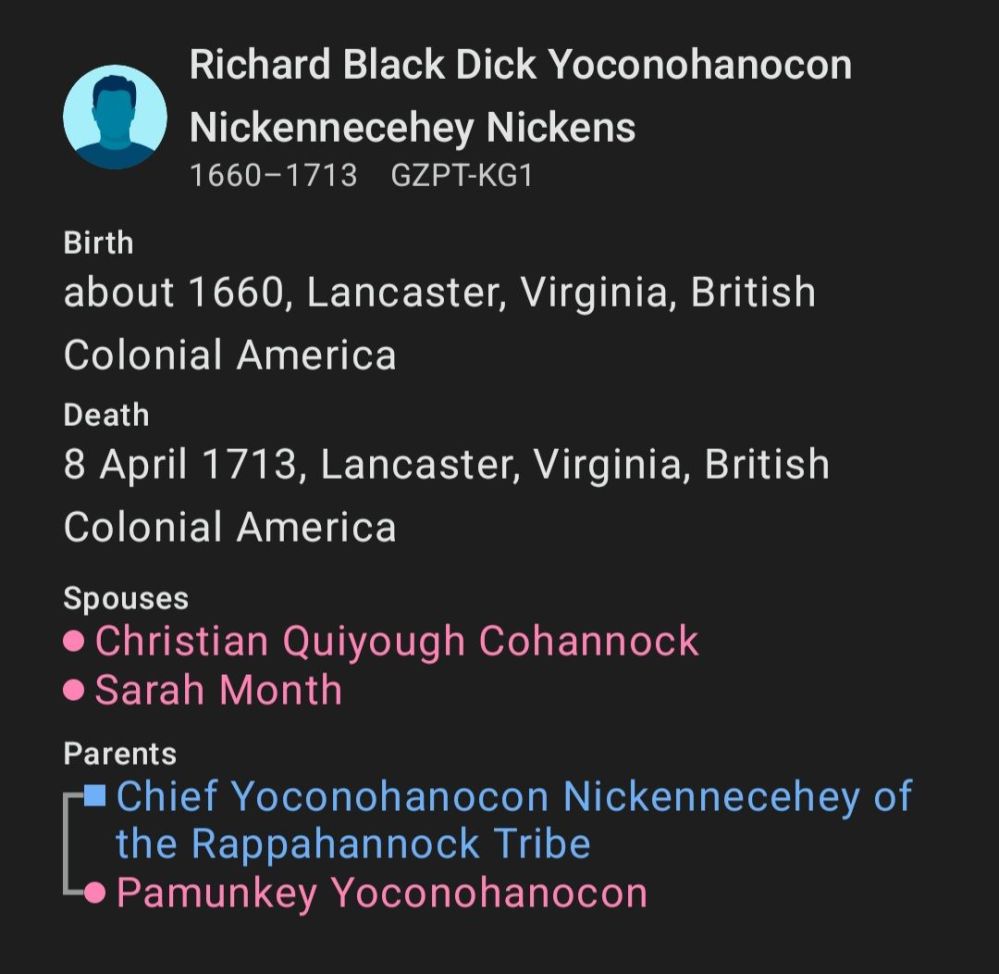
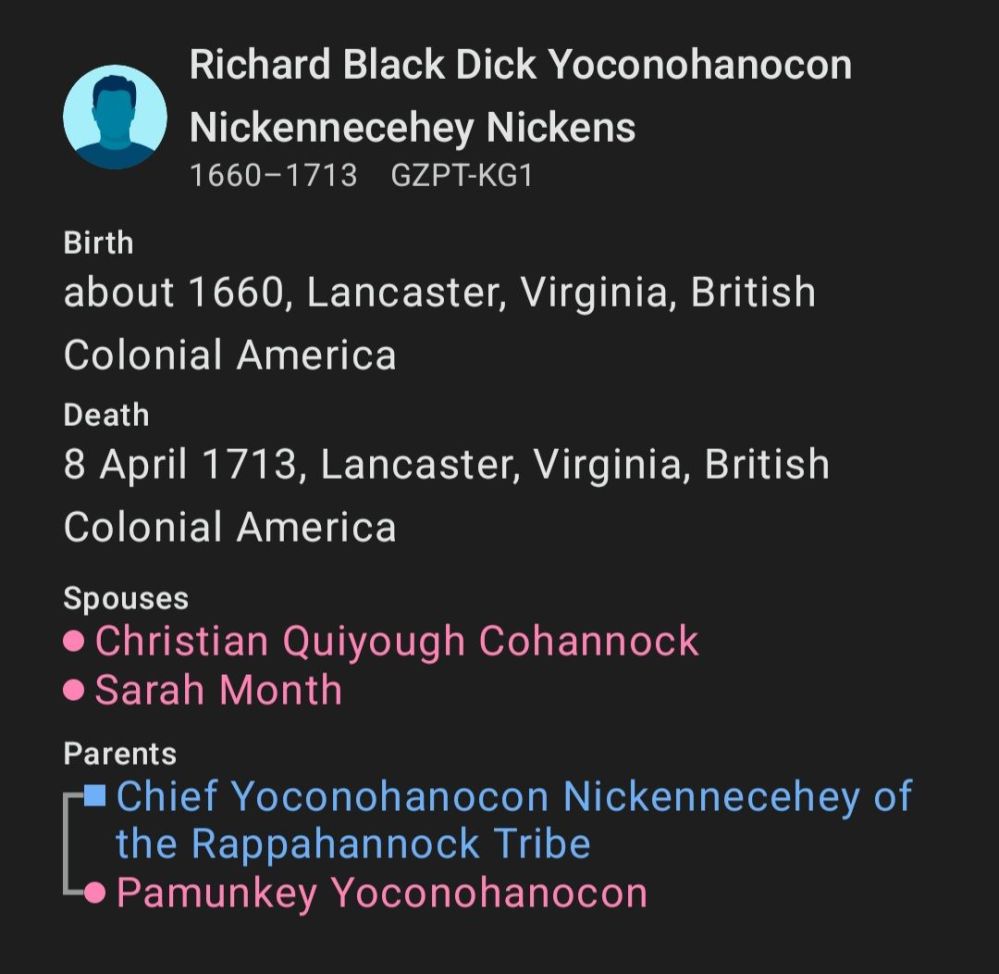
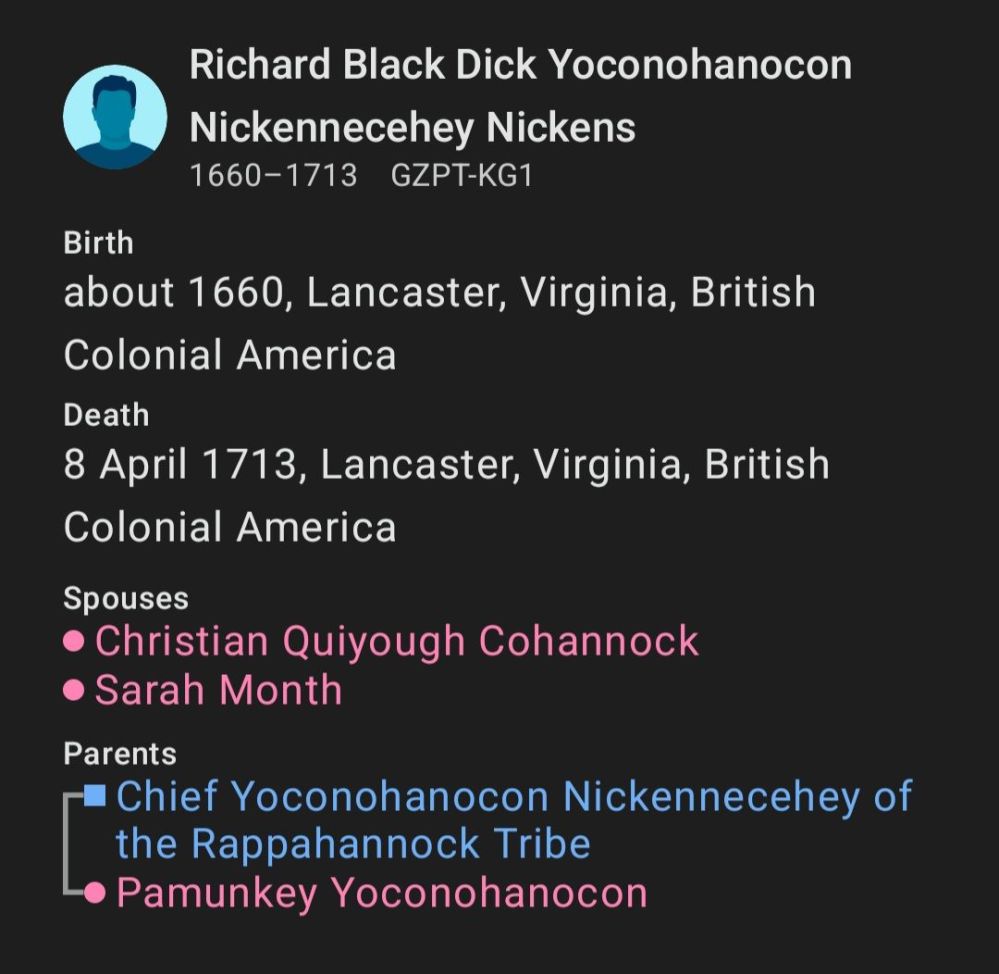
List of Nickens in Virginia Records 1690-1800 With the exception of two Nicken/s men who left Lancaster County and settled in North Carolina by 1750, most of the descendants of Richard and Criss Yoconohawcon/Nicken continued to reside in Lancaster and neighboring Northumberland Counties until after the Revolutionary War. The family was large enough by the time of the Revolution that at least eight Nicken/s men fought in the war. Following the war, several families left Lancaster County and settled in other Virginia counties. One family moved to Culpepper County and then on to Fauquier County and some of their descendants moved to Loudoun and Frederick counties. Another group of several families left Lancaster County and moved to Orange County in the mid 1780s and then on to Augusta County before leaving the state and migrating to Ohio around 1800. This page discusses what is known about the Nickens family in Virginia beginning with the freeing of Richard and Chriss until about 1800. The following is a compilation of Nicken/s individuals found in the Lancaster and Northumberland county records during the 1700s. Nicken/s Individuals in Lancaster and Northumberland Counties in 1700s records With Estimated Date of Birth and Source of Information
Estimated Birth year* Source and Comments
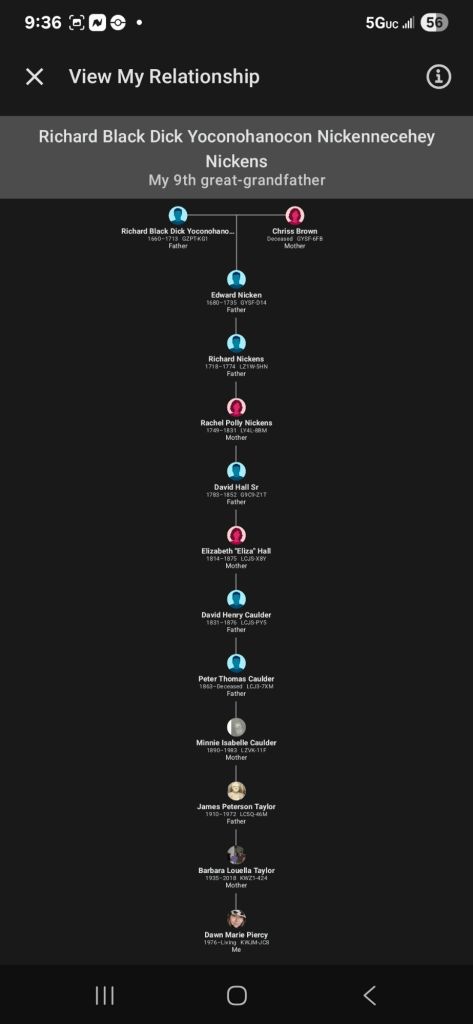
Black Dick My 9th gg
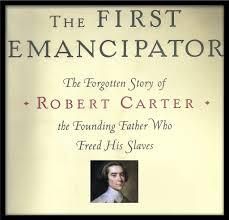
Freed by will of John Carter, died 1706
Chriss My 9th gg
Freed by will of John Carter; probably had three children at time of freedom in 1690
Elizabeth 1688 Possibly the unnamed daughter freed by Carter’s will, also known as Black Betty. Son Richard born 1704.
Little Criss 1686 Freed by Carter’s will and probably the young Criss whose son Robin was bound in 1709
Edward My 8th gg 1691 Edward Yocohoc tithables list of 1709; Edward Nicken sued in court 1712
Richard 1704 Son of Elizabeth/Black Betty Nicken; bound 1709 and 1711
Robin 1704 Son of young Criss; bound 1709
Criss 1706 Daughter of Black Betty; bound 1712
Christian 1706 Presented with having bastard in 1727; possibly Black Betty’s daughter Criss bound until 1727
Kate 1707 Presented with having bastard in 1728
Martha 1709 Daughter of Criss Yockonhawcon, dec., bound 1717
Betty 1710 Daughter of Criss, dec.; bound 1715
Murrough 1710 Sued on her own in 1731
Edward 1717 Son of Edward, Sr. and Frances; 1754 record indicated wife Susannah was born about 1719
Richard 1719 Son of Edward, Sr. and Frances (Frances was identified as wife of Edward, Sr. in1722)
1720s
James 1721 Son of Edward, Sr. and Frances (Frances was identified as wife of Edward, Sr. in1722)
Tun 1725 Son of Edward, Sr. and Mary
Sarah 1727 Daughter of Edward, Sr. and Mary
John 1729 Son of Edward, Sr. and Mary
1730s
Robert 1730 Son of Edward, Sr. and Mary
Anor 1734 Son of Edward, Sr. and Mary
William 1730 First record 1763, married, 5 or 6 children by 1773; Son of Christian or Kate?
James 1737 George Miller inventory of 1761, no last name, 7 years to serve; Speculation: Son of Edward, Jr. and Susannah? Fauquier Co James, Sr.?
James 1738 Alias Batemen, to serve four more years in 1764
Amos, Sr. (1) 1740 Father of Revolutionary war Amos; first record 1764 +age of Amos, Jr. Speculation: maybe Anor of Edward’s will
1740s
Hannah 1740 George Miller inventory of 1761, no last name, 10 years to serve; Speculation: Dau of Edward, Jr. and Susannah?
Frank/Franky 1743 George Miller inventory of 1761, no last name, 13 years to serve; Dau of Edward, Jr. and Susannah?
Nathaniel 1741 Age of daughter 24 in 1788, born 1764; Free Nat?
Martha Nicken 1744 Wife of Aaron Weaver, dau. Roda born 1765; Norfolk Co. free papers (this would not be the Martha born in 1709)
Davey 1747 George Miller inventory of 1761, no last name, 17 years to serve; Speculation: Son of Edward and Susannah?
1750s
Edward Jones 1752 Son of Edward and Susannah bound 1757
Lucy 1753 Daughter of Edward and Susannah bound 1758
Richard 1755 Revolutionary War Pension; probably son of William
James 1755 Revolutionary War Pension; probably son of William
Benjamin 1759 1783 Prince William tax list
Hezekiah 1759 Son of James, Sr. of Fauquier, Rev. War pension records
James 1759 James who went to Prince William in 1790s and then settled in Stafford County, pension record
1760s
Judy 1760 1850 Frederick Co. Census; daughter of James, Sr.
Abraham 1761 89 in 1850 Ohio Census
Amos, Jr. (2) 1760-69 Revolutionary War Pensions; inherited land from Amos, Sr.
Limas 1761 North. 1782 tax list (21?); to Ohio
John, Jr. 1762 Lancaster tax lists; Tax first paid by John, Sr. 1778
Hezekiah 1762 Son of James of Fauquier; Pension papers
James, Jr. 1764 Probably son of James of Fauquier; Enlisted Militia 1781, age17 as paid substitute
Moses 1765 Lancaster 1786 tax list (21?); to Ohio
Amilek 1764 Lancaster 1785 tax list (21?); to Ohio
Robert, Jr. 1764 Probably son of Robert, Sr.; Enlisted Militia 1781, age17 as paid substitute; admin of Robert, Sr.
Rhoda Nicken 1765 Dau. Of Martha, bound to Elizabeth Nicken until 18 (21 Oct. 1765) (See Martha above)
Brigar/Breggar 1767 Son of John, Sr.
Jemima 1769 Dau. of a James; Revolutionary War pension
Susannah/Sukey 1761-69 Richmond County tax lists; Mother of Abraham, Sallie, Sukey, Linsey, Cyrus, Betty, Peter
1770s
Isaac 1772 Free papers recorded. in Ohio; born in Northumberland County
Benjamin 1772 Son of John, Sr.; Lancaster County Register of FN&M
Amos (3) 1775 Lancaster County Register of FN&M; cannot be Rev War Amos
1780s
Daniel 1780 Prince William Tax lists; with Benjamin 1796
Armistead 1781 Lancaster County Register of FN&M
Abraham 1789 Lancaster County Register of FN&M; son of Susannah/Sukey
1790s
Lucy 1791 Richmond County baptisms; daughter of Susannah/Sukey
Lindsey 1792 Lancaster County Register of FN&M; son of Susannah/Sukey
Sukey/Susan 1797 Lancaster County Register of FN&M; daughter of Susannah/Sukey
Spouses
Hannah ~1743 Orange Co. free papers; wife of Nathanial
Sally ~1740 wife of James, Sr. Fauquier Co. free papers; b. North
*Assumption: that if the age of parent when children born of first child about 23. Since all children are not known, the years are an estimate of what age the parent would have been. Early Marriages | Nickens Marriages in Virginia
Some Published Sources on Nickens: Research into the history of the Nickens has been aided by other researchers who pointed the way to Lancaster County as the origin of the Nickens. The man with the earliest work and information on the Nickens was written by a Luther Porter who published a book entitled Virginia Negro Soldiers and Seamen in the Revolutionary War, available to read for free via JNH-7-1942.pdf https://share.google/ZKH45lnjpvdAgqeDQ
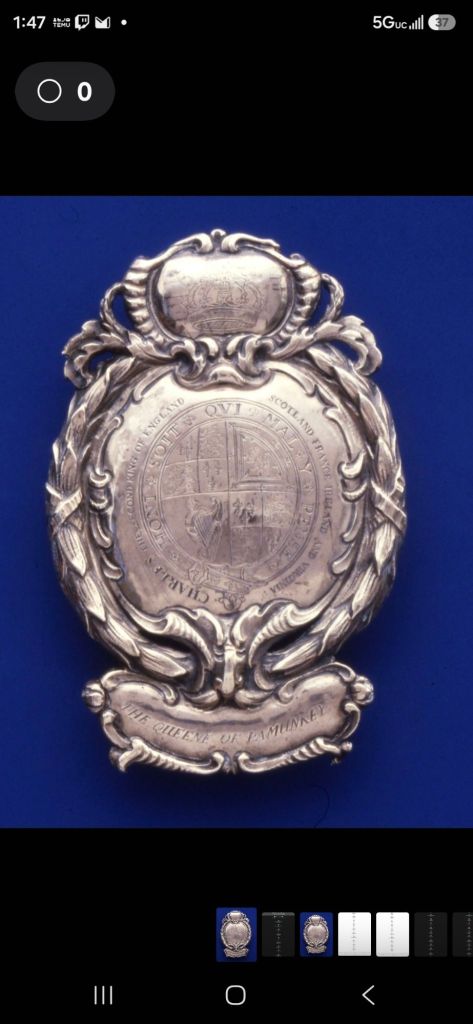
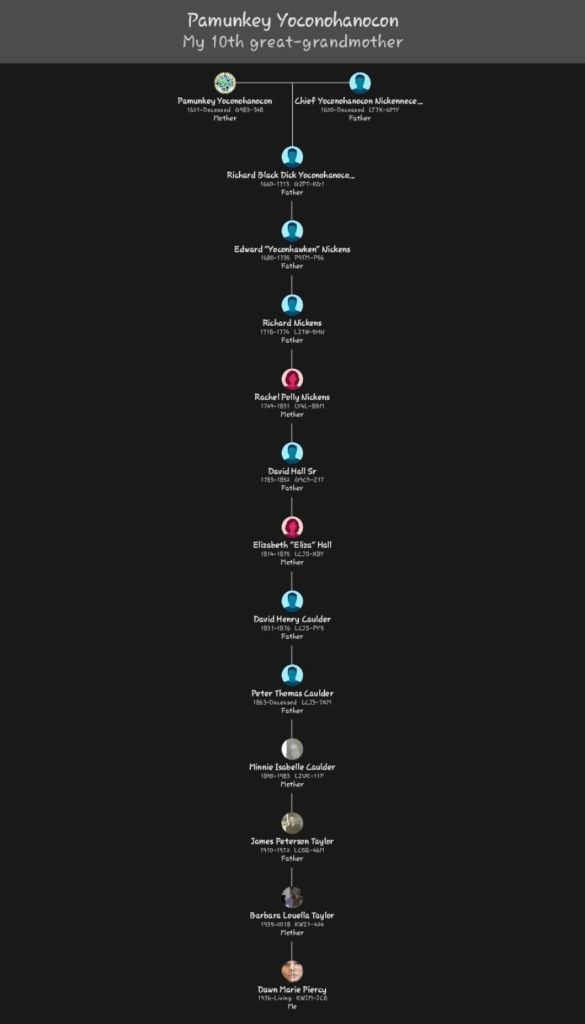
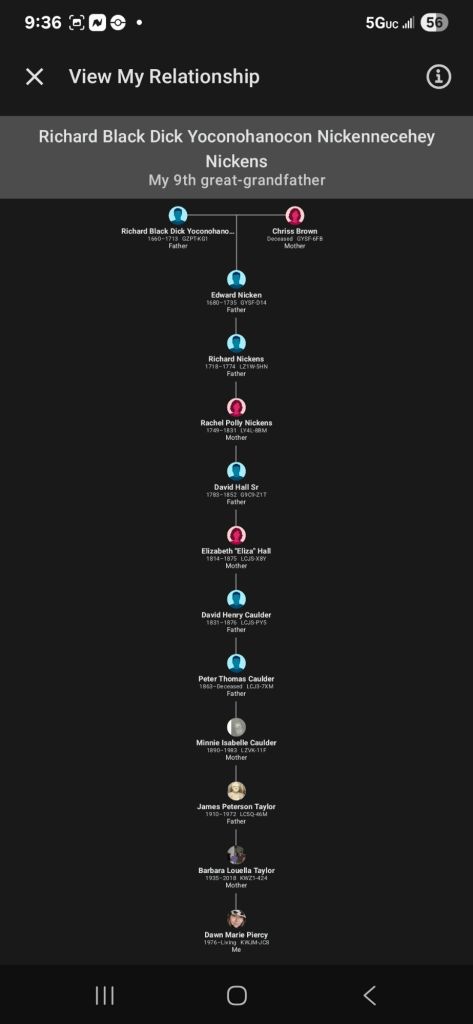
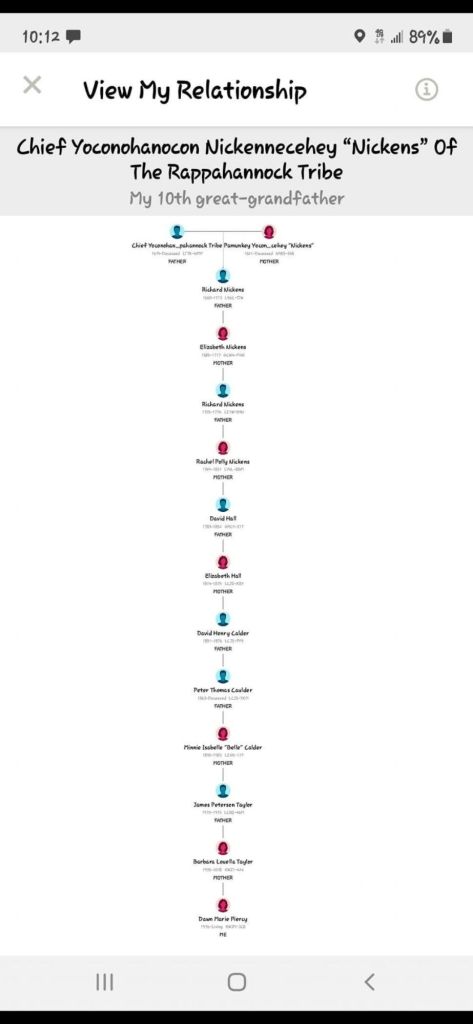
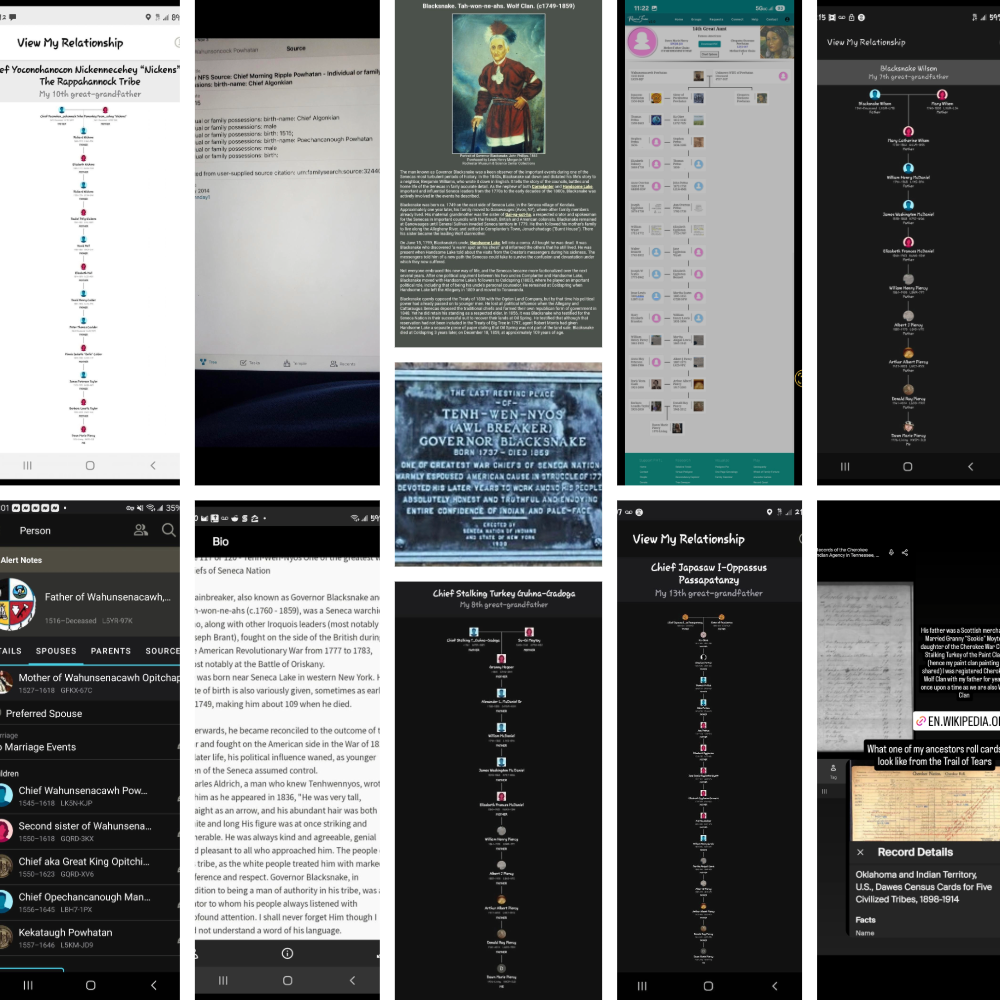
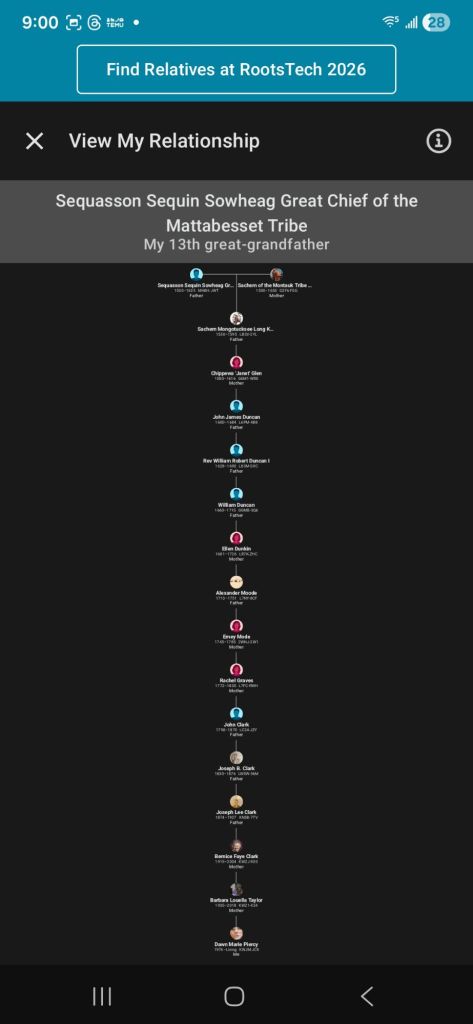
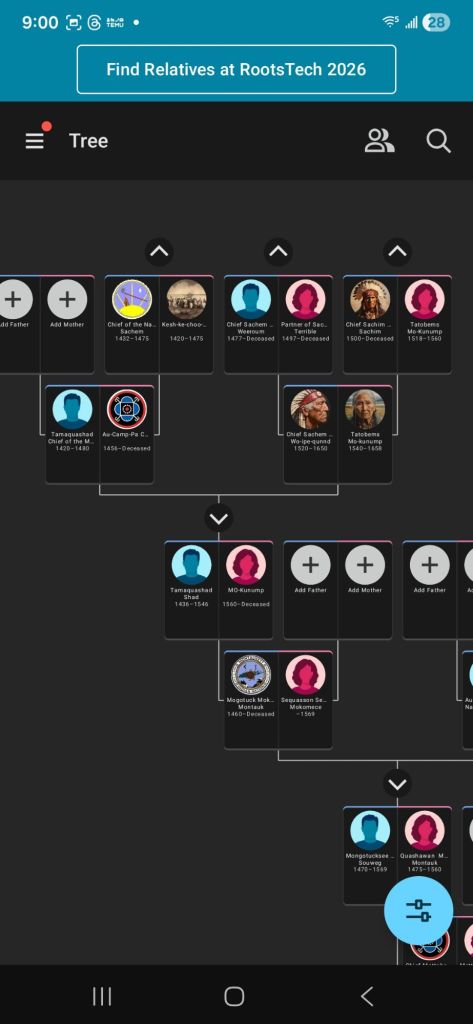
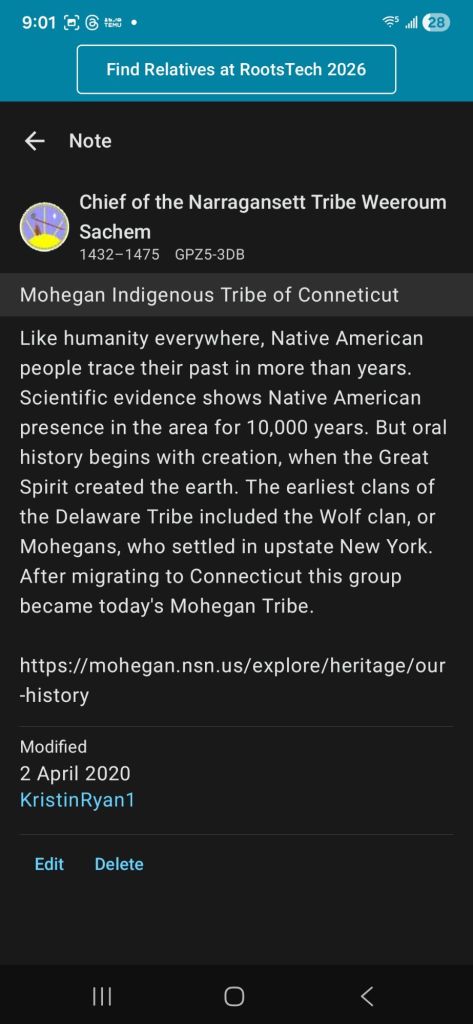
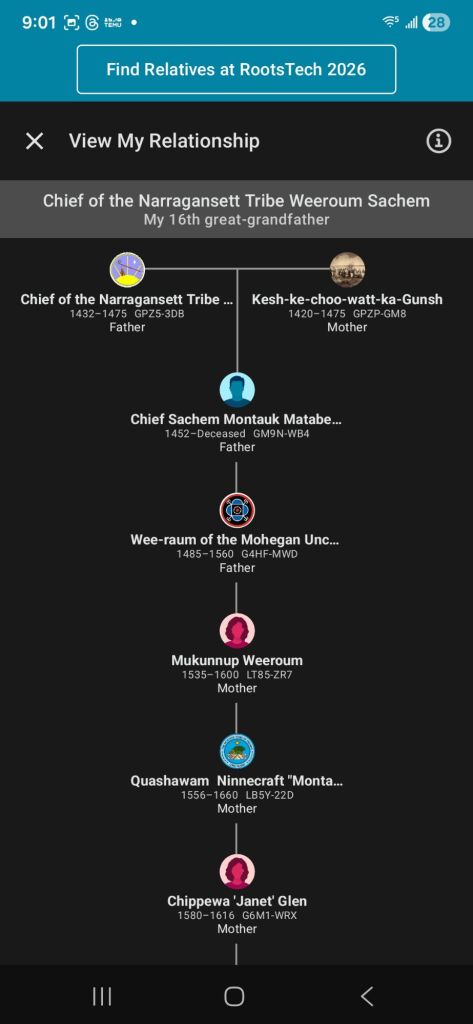
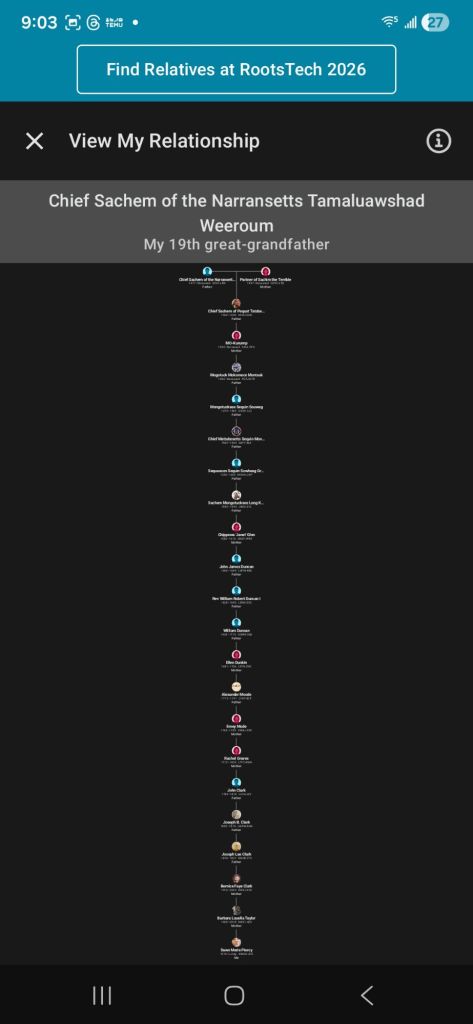
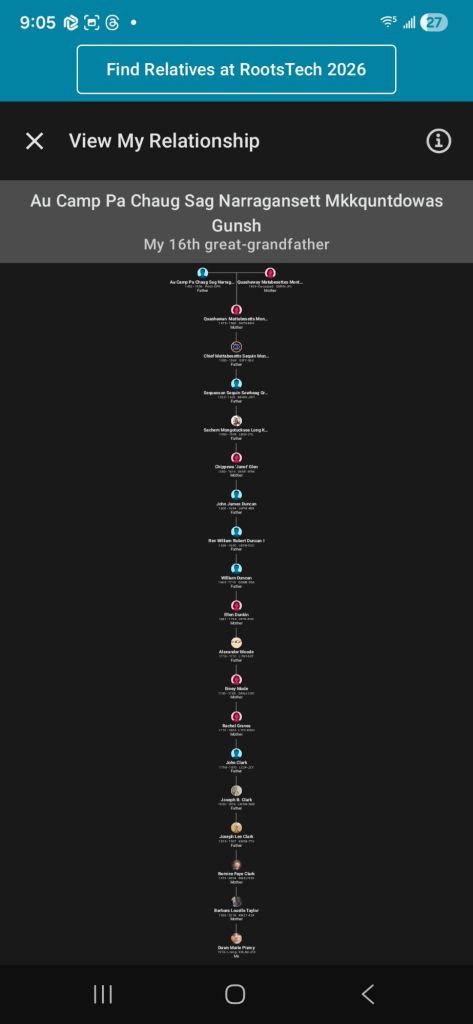
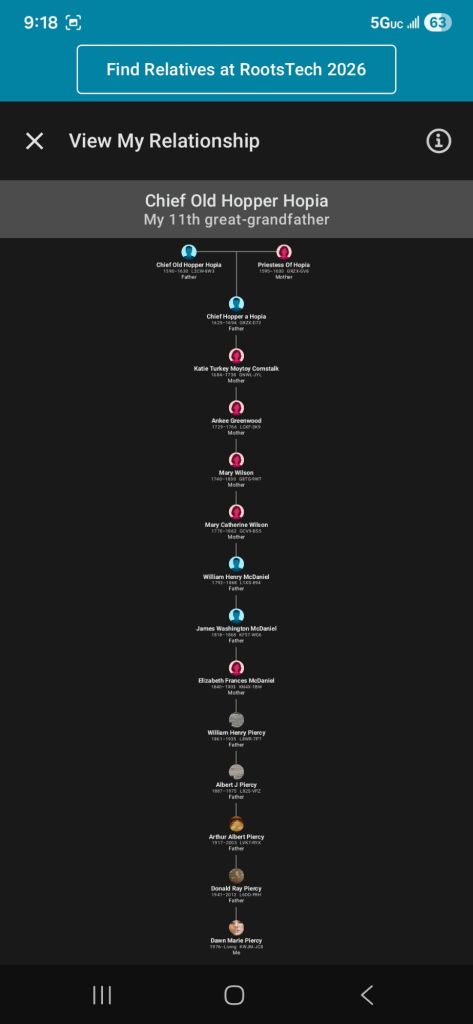
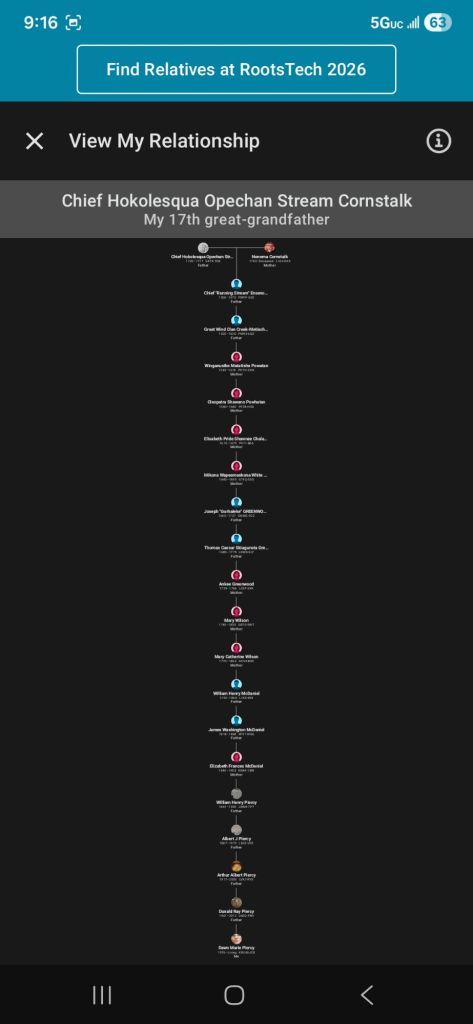
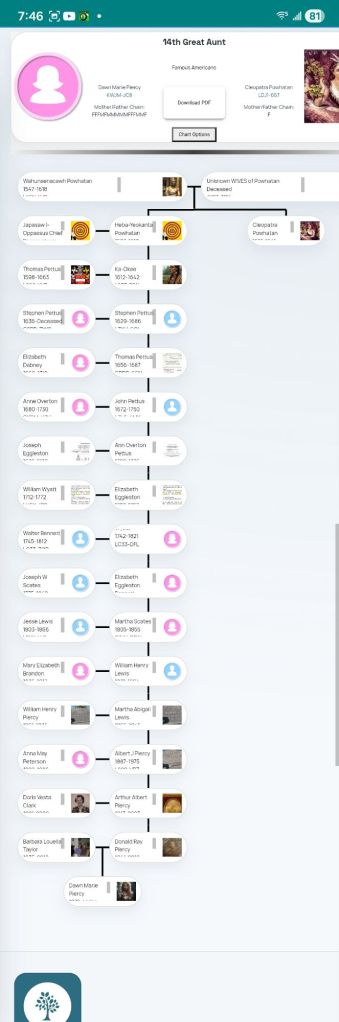
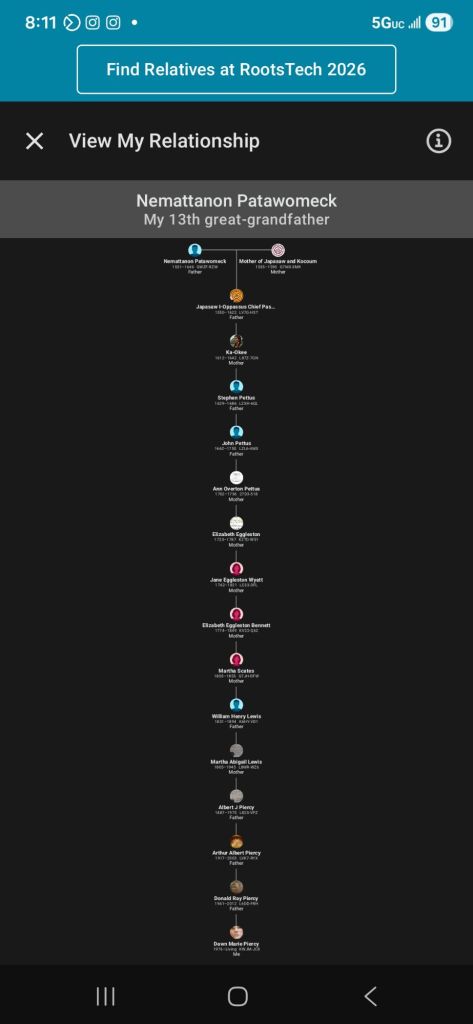
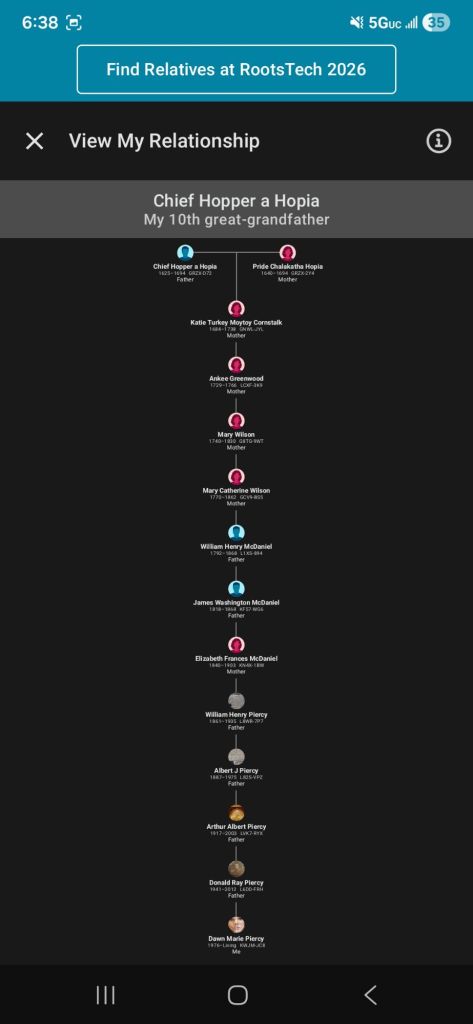
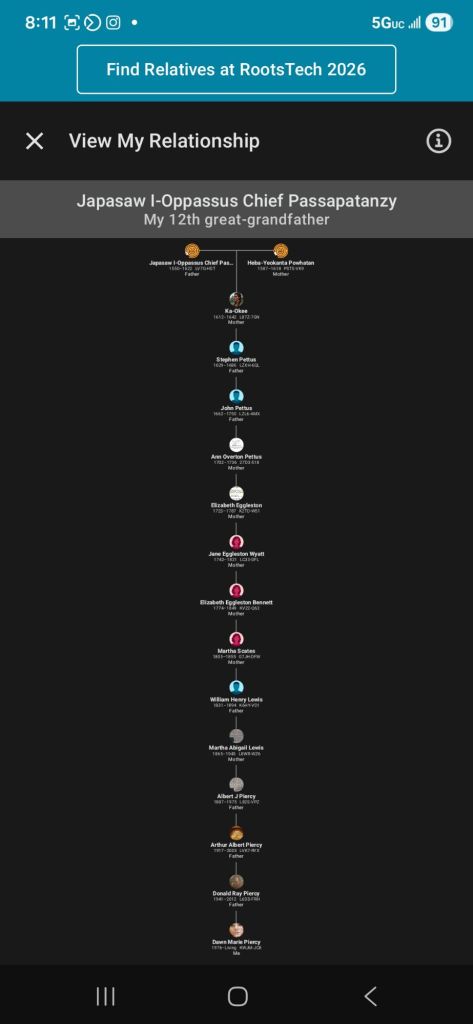
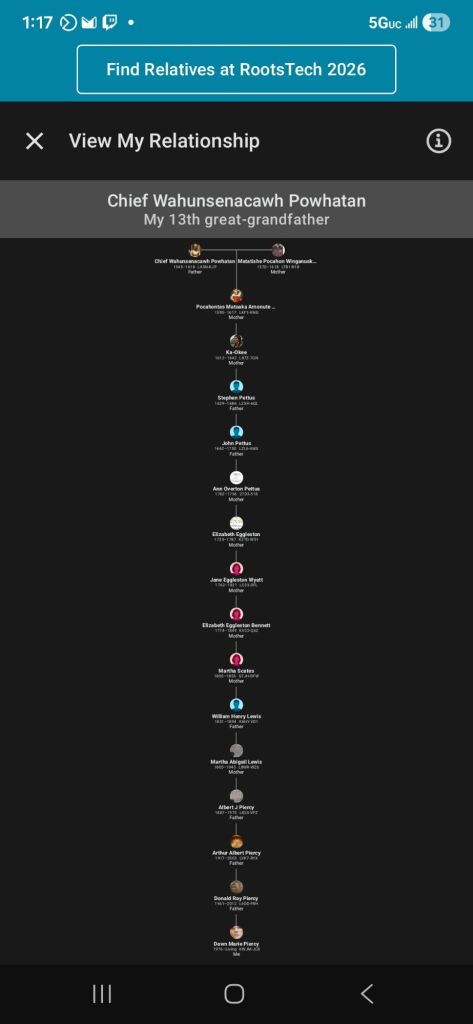
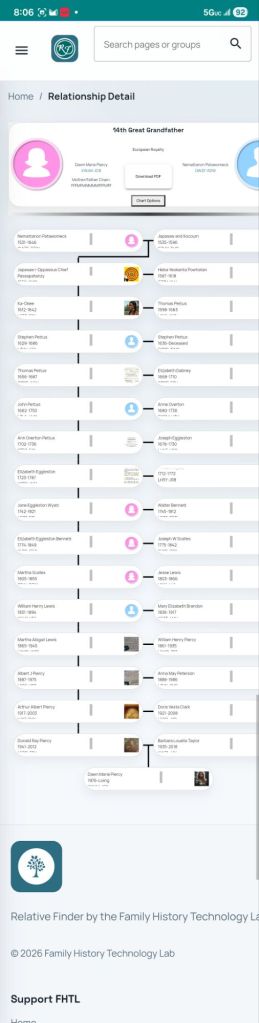
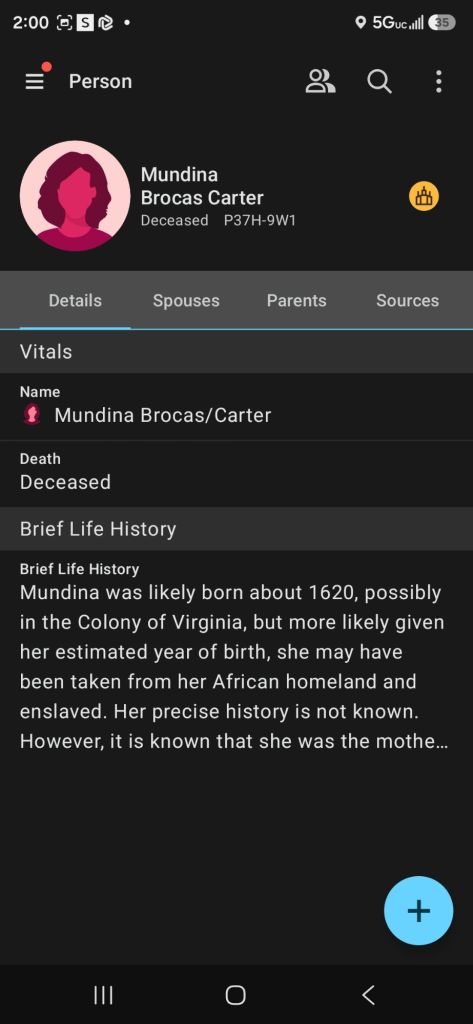
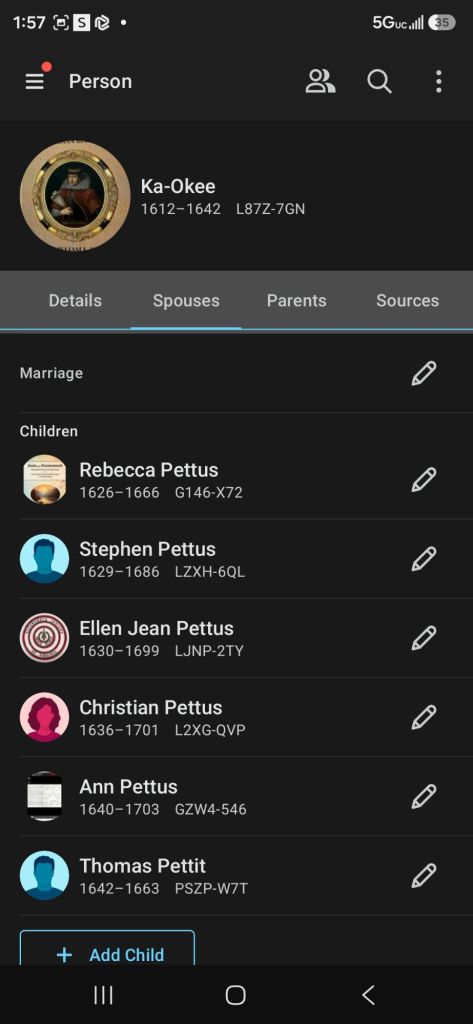
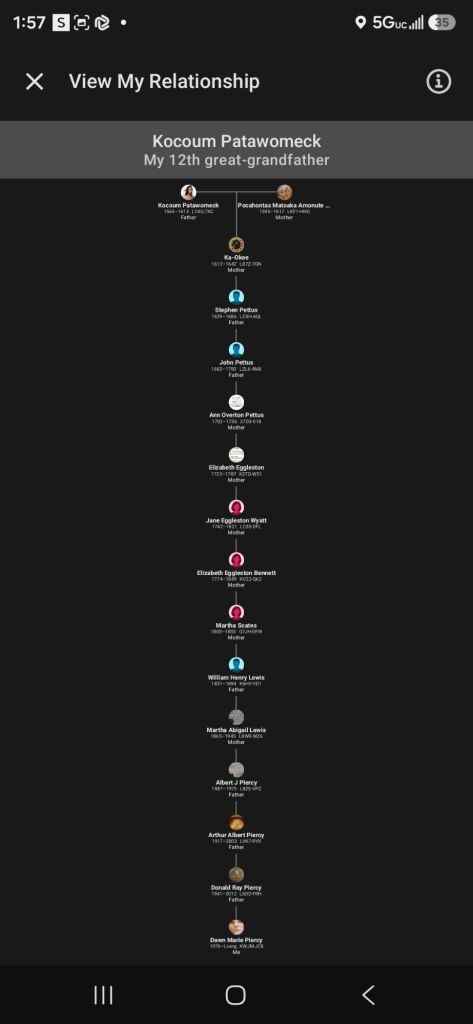
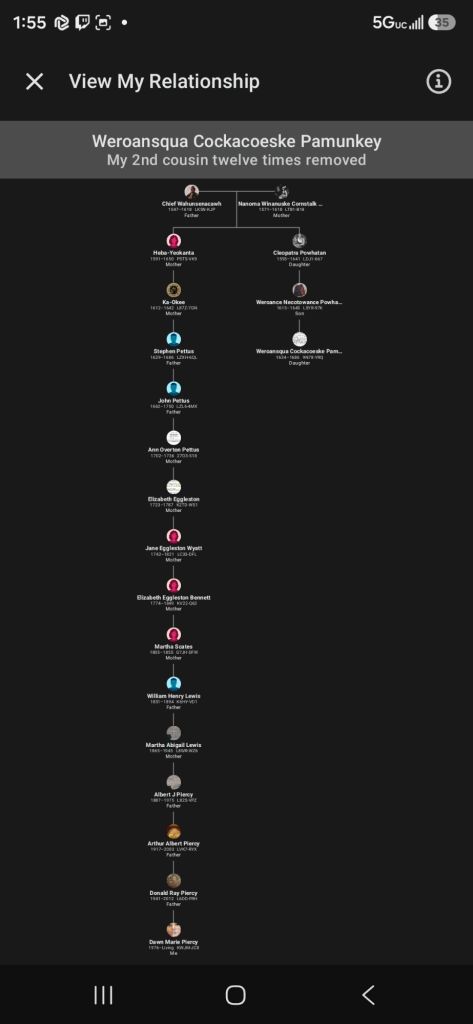
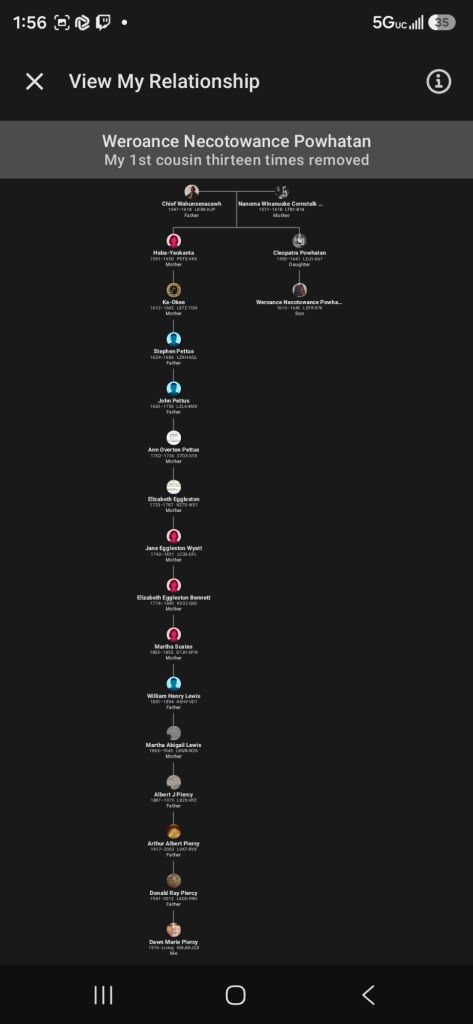
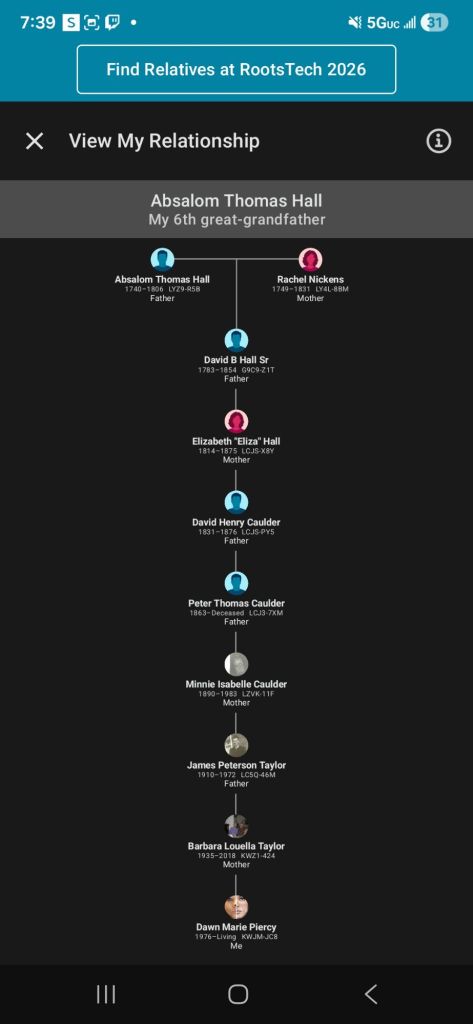
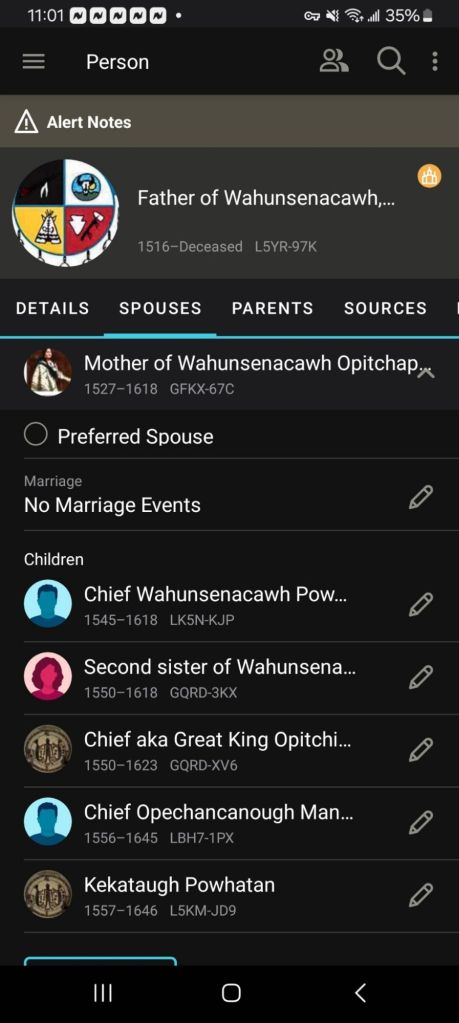
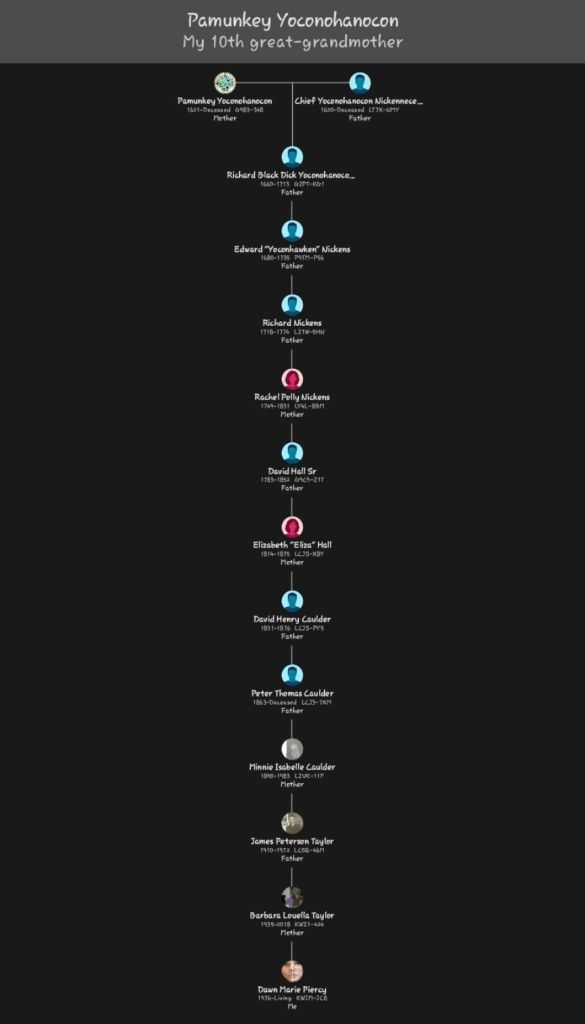
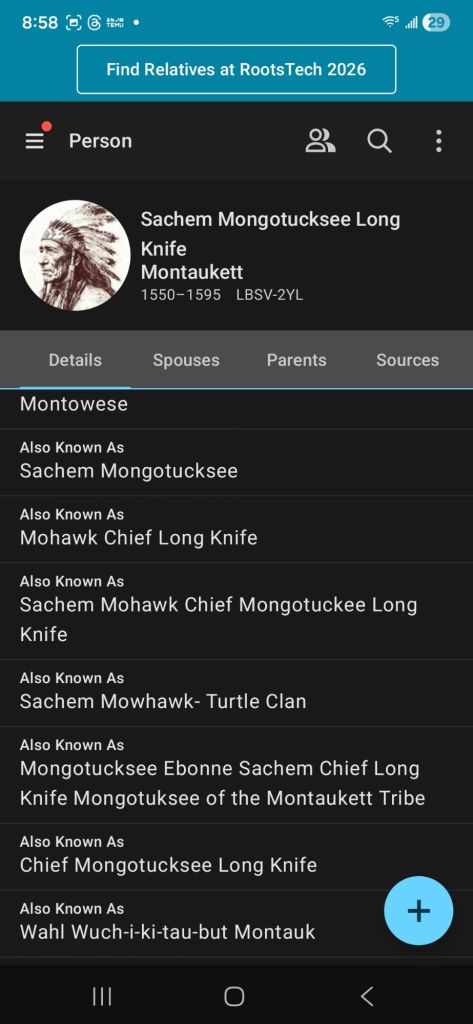
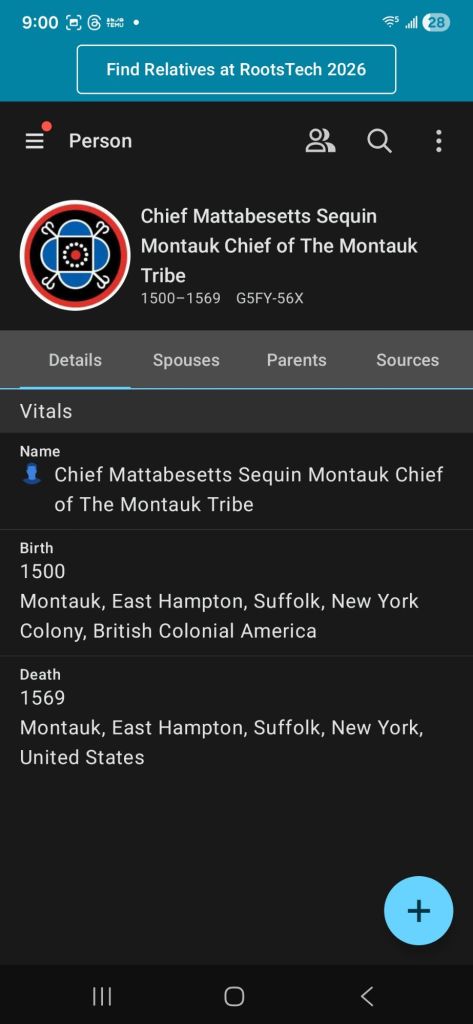
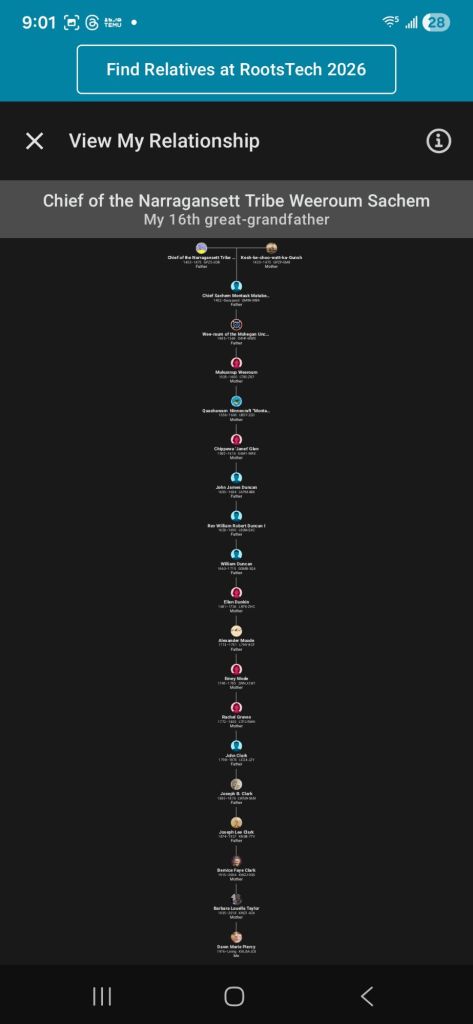
Next week the 2nd episode and another key will be added next week. Below I am attaching a basic photo slide with DNA, and sreenshots of timelines, and who came from who, and some non copywritten photos and sources. Not everyone in the slide has been confirmed as many are still being researched and Source indexed by me. I am adding the correct records to the correct people as I am able to dig them up. It has been quite a journey. I do have confirmed Kaokee… Pettus line… Nickens line, Caulder lines, Moytoy, and Wilson, McDaniel and those discussed via the entirety of the 2nd season of podcast are here in these shots and timelines being studied.
Published by Tdr Now and The Heritage Hunters Podcast
Dawn is of the Caulder, and Stewart lines, genealogy, and research of over the last 35 yrs, she is DNA tested, and matched to her tree as any of us strive to do this at some point. She just happens to be a descendant of Royals that immigrated to America, and is a family historian, genealogist, podcast host, writer, and much more! Tune in to learn more
View all posts by Tdr Now and The Heritage Hunters Podcast






 Tdr Now & The Heritage Hunters Podcast
incredibly detailed and I hope people appreciate the truth not get all weirded out
LikeLiked by 1 person
Thank you, I appreciate it. It needed to be done. Too many people need help and don’t know where to look. I can help them find where and how for free.
LikeLike