
Welcome back to Tdr Now & The Heritage Hunters Podcast. Episode 4 of The Plantagenet’s we get more into Wyatt’s Rebellion.
And into a list of lives lost. Innocent and guilty alike.
The past as we know it is more brutal than we know. It was most likely over half of your children did not survive.
Before I focus on Wyatt’s Rebellion here are some old school stats on family survival.
Maternal (Mother) Survival – Risks of Childbirth
Even among elite medieval women, the maternal mortality per childbirth was around 1%, meaning roughly 1 in 100 births resulted in the mother’s death.
Broader sources estimate: 1–1.5% risk in rural areas, and slightly higher—1.5–2.5%—in urban settings.
Across a woman’s lifetime, considering repeated births and cumulative risk, estimates suggest ~10% of women died from pregnancy-related causes.
In Florence during the 1420s, childbirth accounted for about 20% (one in five) of all deaths among married women.
In total, lifelong risk across the pre‑industrial period (1550–1800) was about 5.6% for married women (1 in 18), though that statistic extends slightly beyond the medieval era.
In medieval Norwich, skeletal evidence shows that average female lifespan was quite short—around 33 years—reflecting high mortality risks including childbirth and infection.
Summary for Mothers:
Per-birth mortality: ~1%
Lifetime maternal mortality: ~5–10%
Childbirth’s share of all married women’s deaths: ~20% in some locales
—
Infant (Child) Survival – High Mortality Rates
About 30% of babies in medieval Europe died before their first birthday; another 20% didn’t reach adulthood.
In certain sites like Wharram Percy (Yorkshire), around 19% of infants died before age two.
In 11th-century Norwich, archaeological data show ~60% infant mortality, indicating only ~40% survived infancy.
Broad demographic reconstructions suggest that in areas like France and Bavaria, up to 45–50% of children died before reaching adulthood.
Some estimates say “every second child died,” especially in high‑mortality societies.
Summary for Infants:
Infant mortality (first year): ~30–60% (varied by region)
Survival into adulthood: Often less than 50%, depending on place and period
—
Quick Comparison Table
Category Estimate
Per-birth maternal mortality ~1% per childbirth
Lifetime maternal death risk ~5–10% for married women
Maternal deaths share ~20% of all deaths among married women
Infant mortality (under 1 year) ~30–60% (varies)
Child survival to adulthood Less than 50% in many locations
—
Why These Numbers Matter
Maternal risk was real but—relative to modern standards—not overwhelmingly common per birth; however, repeated childbirth raised cumulative risks significantly.
Child survival was precarious: many families experienced the loss of multiple children even into early childhood.
Geography, wealth, nutrition, disease outbreaks, and urban conditions affected rates widely.
Getting to the topic at hand…
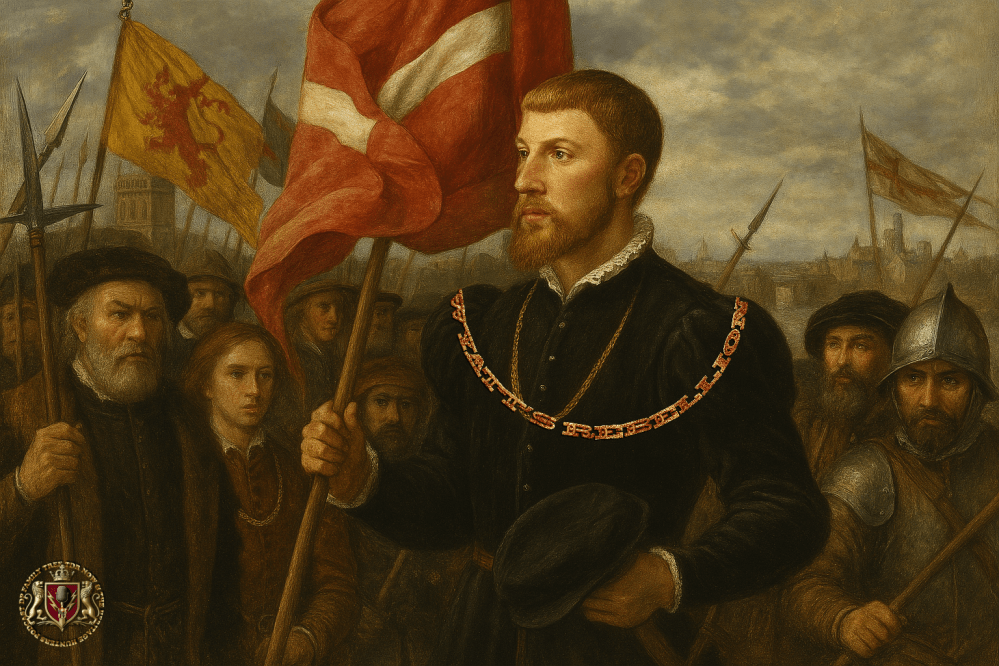
WYATT’S REBELLION
Tune in below now!

Wyatt’s Rebellion (January–April 1554)
Why it happened (and who planned it), I know we have been discussing this. But now we are tying it all together, and wrapping up Wyatt’s Rebellion. Easiest way to remember.
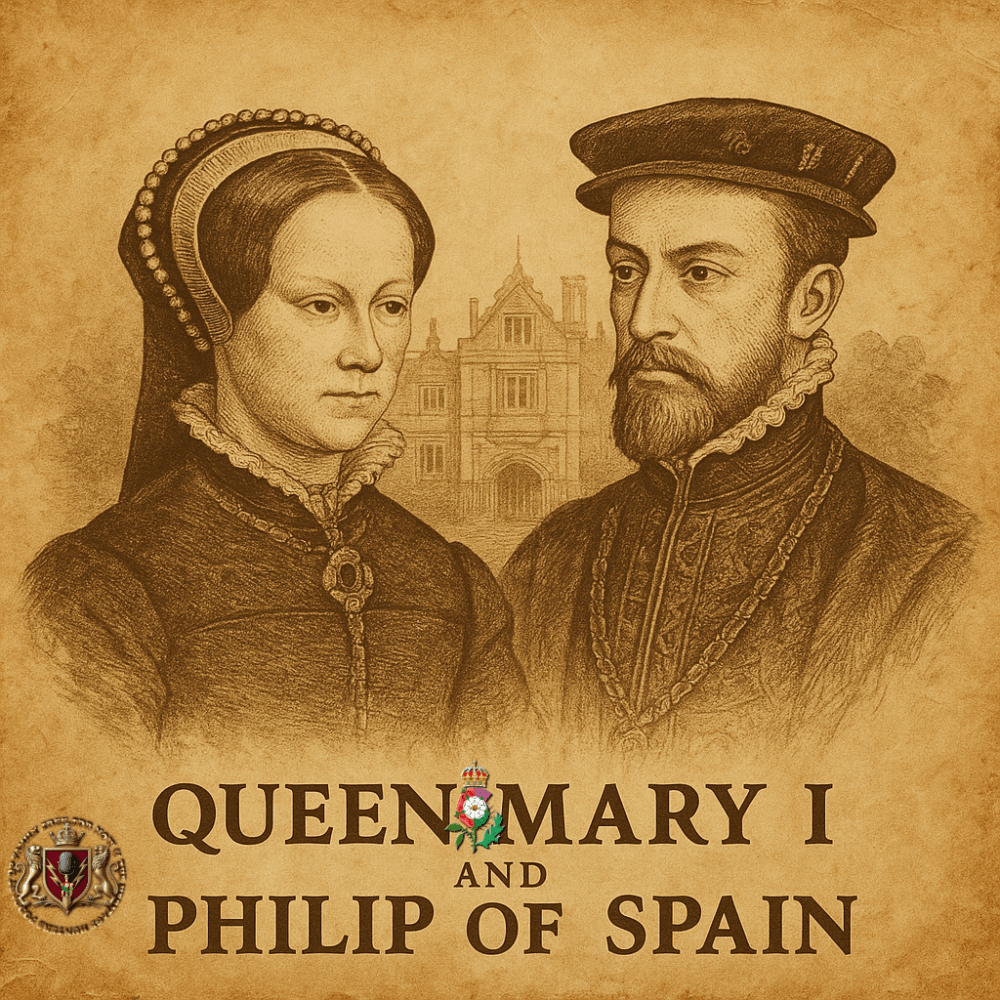
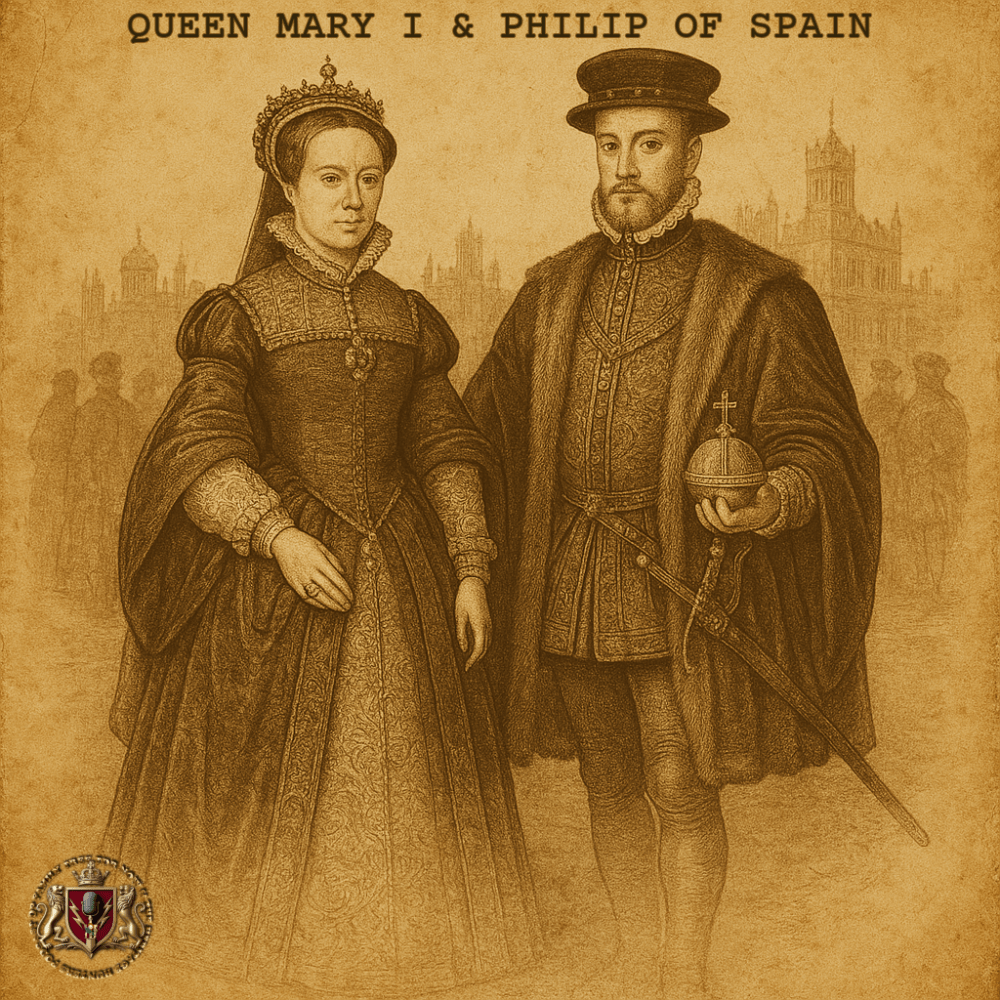
Trigger: Public alarm at Queen Mary I’s plan to marry Philip of Spain (treaty signed 12 Jan 1554, publicly proclaimed 14 Jan 1554). A multi-county plot formed to block the “Spanish match.”
Principal conspirators: Sir Thomas Wyatt the Younger (Kent), Sir Peter Carew (Devon), Sir James Croft (Herefordshire), and Henry Grey, 1st Duke of Suffolk (Leicestershire). Edward Courtenay, Earl of Devon was the aristocratic figure around whom some conspirators coalesced.
Day-by-day timeline (key events)
25 Jan 1554 (Thu) – Wyatt launches the rising in Maidstone (Kent), issuing a proclamation against the Spanish marriage; he sets his HQ at Rochester.
28–29 Jan – The Crown sends the Duke of Norfolk with London militia (“Whitecoats”) to crush the rising. At Rochester, Captain Alexander Brett and many Whitecoats defect to Wyatt; Norfolk retreats.
1 Feb (Wed) – Mary delivers her famous Guildhall speech rallying London, declaring she is already “wedded to the realm” and branding Wyatt a traitor; thousands enroll for the city’s defense.
2–3 Feb – Wyatt reaches Southwark intending to cross London Bridge, but the bridge is barred and Tower guns are trained on Southwark; he withdraws upriver.
Night of 6–7 Feb – Wyatt crosses at Kingston after repairing the broken bridge, then marches by Charing Cross toward Ludgate; desertions mount under artillery and cavalry pressure.
7 Feb (Tue) – At Ludgate the gate is shut against him; turning back toward Westminster he’s cut off and, urged by a herald to spare bloodshed, surrenders his sword to Sir Maurice Berkeley near Temple Bar.
Immediate crackdown & wider fallout
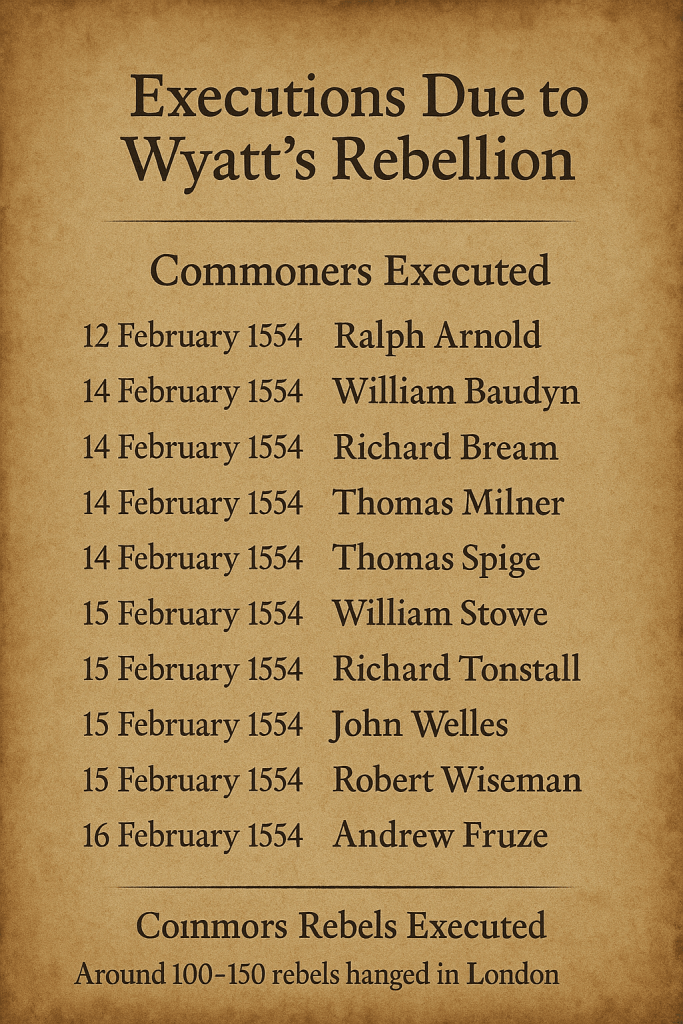
General executions of common prisoners begin 12 Feb across London; total executions for the rising are estimated ~150 (out of several thousand detained), with many others pardoned later.
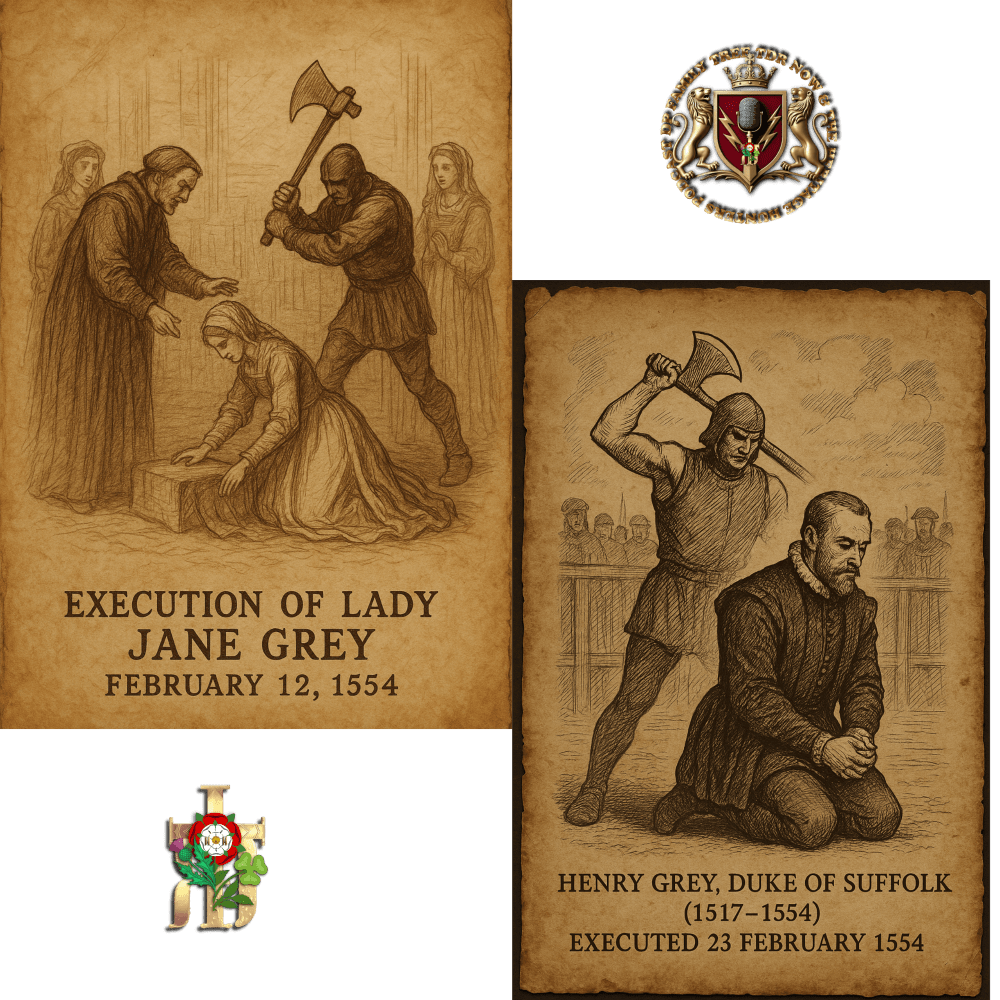
Lady Jane Grey and Lord Guildford Dudley (who took no part in the rising) are nevertheless executed 12 Feb 1554 (Guildford at Tower Hill; Jane on Tower Green).
Duke of Suffolk (Henry Grey), who raised men in Leicestershire after the rising began, is tried 17 Feb and beheaded 23 Feb 1554 at Tower Hill.
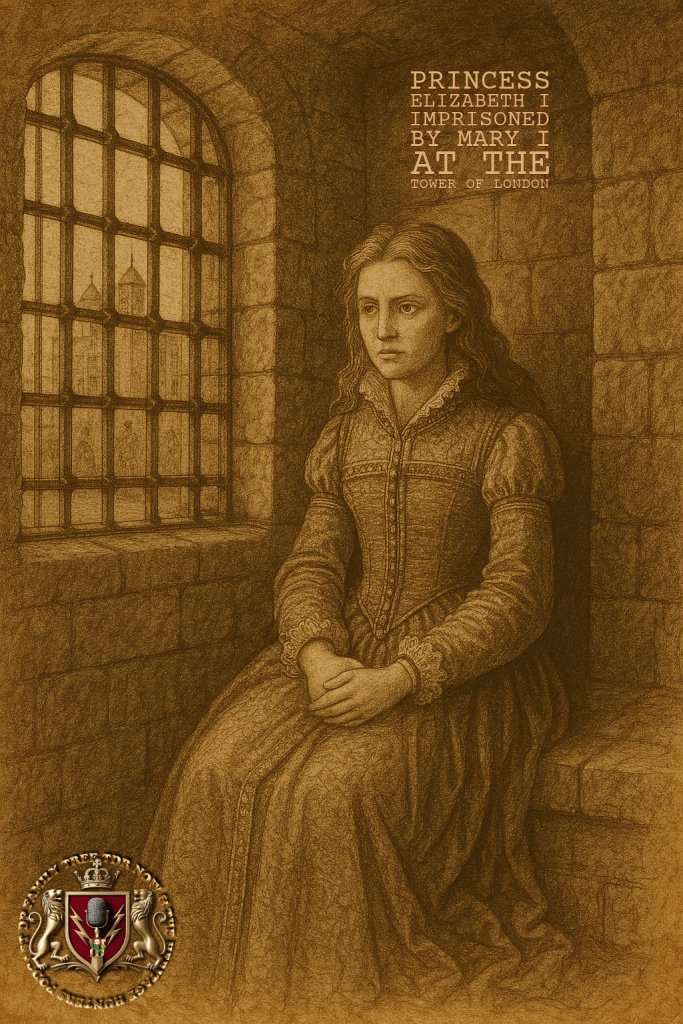
Princess Elizabeth is arrested on suspicion, sent to the Tower (18 Mar 1554), then released to house arrest 19 May 1554; no proof of complicity is found.
—
Who died — when, where, how, and by whose authority
> All executions below were by order of Queen Mary I’s government following conviction for treason (unless noted), carried out by London’s or county sheriffs at the usual places of execution.
Sir Thomas Wyatt the Younger — 11 Apr 1554; Tower Hill, London; beheaded (his body then quartered). In his final speech he cleared Elizabeth and Courtenay.
Henry Grey, 1st Duke of Suffolk — 23 Feb 1554; Tower Hill; beheaded. (Foxe prints a detailed eyewitness account of the execution.)
Lord Guildford Dudley — 12 Feb 1554; Tower Hill; beheaded.
Lady Jane Grey — 12 Feb 1554; Tower Green (inside the Tower); beheaded.
Capt. Alexander Brett (the Whitecoats officer who defected) — 27 Feb 1554; executed in Kent among “gentlemen sent into Kent to be executed” that day.
Walter Mantell (the elder) — 27 Feb 1554; Kent; hanged (rope broke; he refused a last-minute offer to recant; then executed).
Walter Mantell (the younger) — 27 Feb 1554; Kent; executed with the other Kentish gentlemen.
Anthony Knyvet/Knevet — 27 Feb 1554; Kent; executed (one of “two Knevets”).
Sir Henry Isley (Isely) — 1554; executed after capture; contemporary/near-contemporary lists differ on exact day and place, but Kent antiquarian work and Tudor studies agree he was executed (some later summaries say hanged, drawn & quartered).
William Thomas (royal official linked to a related plot) — 18 May 1554; Tyburn, London; hanged, beheaded & quartered.
> Not executed / pardoned or exiled:
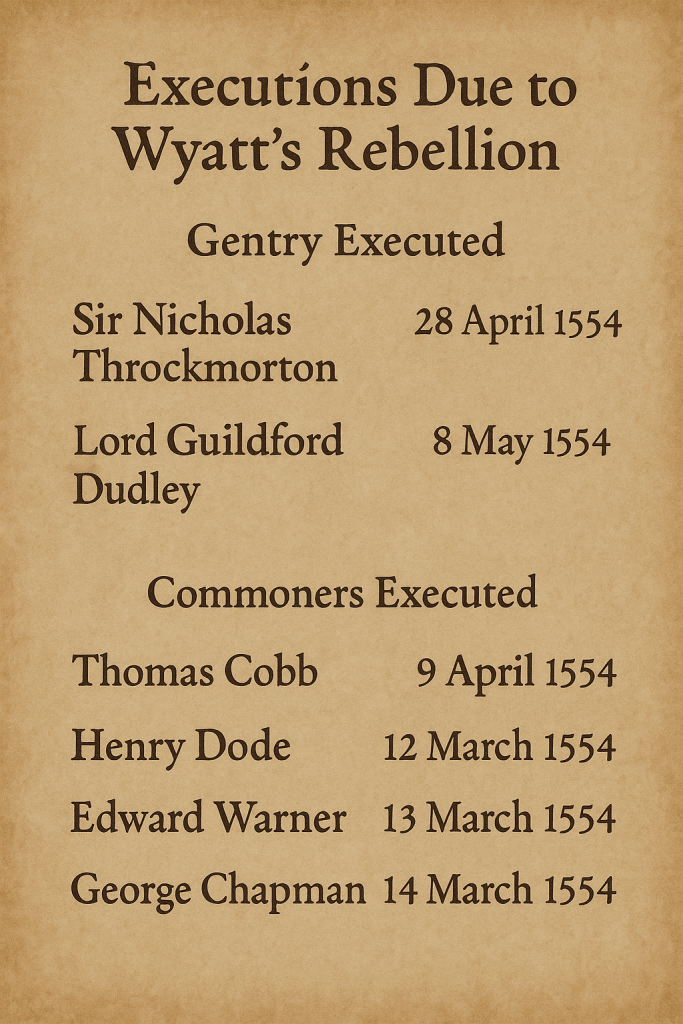
Sir James Croft (tried, later pardoned 1555), Sir George Harper (pardoned), Robert Rudston (condemned but pardoned), Sir Peter Carew (fled abroad; later pardoned), Edward Courtenay (exiled; d. 1556 in Italy), Sir Nicholas Throckmorton (acquitted 17 Apr 1554 — a rare Tudor treason acquittal). But other accounts have listed him as executed. I think it may be his original execution date before his acquittal. So you will also see it say he is listed as executed too.
—
Compact narrative (what happened, cleanly stitched)
Wyatt raised Kent on 25 January 1554, aiming to block Mary’s Spanish marriage and (in some circles) to advance Elizabeth and/or Courtenay. The Crown’s first field force—Norfolk with London Whitecoats—collapsed when Captain Brett and many militia went over to Wyatt at Rochester. Mary stood firm in London and, after her Guildhall speech on 1 February, enrolled thousands. Wyatt failed to force London Bridge (the Tower threatened Southwark), detoured to Kingston, crossed the Thames overnight 6–7 February, and pushed to Ludgate—only to find it barred. Cut off in the Strand/Temple Bar area, he accepted a herald’s appeal and surrendered to Sir Maurice Berkeley. Swift trials and selective executions followed in London and Kent; Jane and Guildford were beheaded 12 Feb, Suffolk 23 Feb, and Wyatt 11 Apr, who died repudiating any charge against Elizabeth.
GENERAL / TIMELINE
https://en.wikipedia.org/wiki/Wyatt%27s_rebellion
https://archive.org/details/chronicleofqueen00nichuoft
https://www.gutenberg.org/files/46645/46645-h/46645-h.htm
MARRIAGE TREATY CONTEXT
https://www.universitypressscholarship.com/view/10.7765/9781526142245/upso-9781526142238-chapter-003
GUILDHALL SPEECH (1 FEB 1554)
https://www.dhi.ac.uk/foxe/index.php?edition=1570&gototype=&pageid=1618&realm=text
https://thehistoryofengland.co.uk/resource/speech-of-mary-i-1554/
SURRENDER / CAPTURE DETAILS
https://www.gutenberg.org/files/46645/46645-h/46645-h.htm (Temple Bar surrender to Sir Maurice Berkeley)
https://www.melocki.org.uk/machyn/Notes.html (contemporary diary notes)
EXECUTIONS AND AFTERMATH
https://www.tudorsociety.com/the-execution-of-lady-jane-grey/ (Jane, 12 Feb, Tower Green)
https://www.hrp.org.uk/tower-of-london/history-and-stories/lady-jane-grey/ (Jane & Guildford)
https://www.tudorsociety.com/23-february-1554-the-execution-of-henry-grey-duke-of-suffolk/
https://www.dhi.ac.uk/foxe/index.php?edition=1583&gototype=modern&pageid=1492&realm=text (Kent executions 27 Feb: Brett, Mantells, Knevets; Rudston pardoned)
https://www.britannica.com/place/United-Kingdom/The-break-with-Rome (national context; Jan 1554 rising)
https://en.wikipedia.org/wiki/Thomas_Wyatt_the_Younger (11 Apr 1554 execution)
https://en.wikipedia.org/wiki/Wedding_of_Mary_I_of_England_and_Philip_of_Spain (context; Wyatt, Jane, dates)
SIDELIGHTS (ISLEY, LOCAL KENT STUDIES)
https://www.kentarchaeology.org.uk/journal/129/was-sir-thomas-wyatt-able-draw-culture-rebellion-kent-1554
https://en.wikipedia.org/wiki/Henry_Isley
Crown & court (command, policy, London)
Mary I (1516–1558) — queen; rallied London with her Guildhall speech on 1 Feb 1554.
Princess Elizabeth (1533–1603) — suspected/pressed for answers; imprisoned in the Tower 18 Mar–19 May 1554; wrote the “Tide Letter.”
Philip of Spain (1527–1598) — marriage to Mary was the rebellion’s trigger (not present in England during the rising).
Stephen Gardiner (c.1483–1555) — lord chancellor; central councillor during suppression. (General Marian governance context.)
Sir Thomas White (1507–1564) — Lord Mayor of London, mobilized the city’s defence and legal machinery.
John Brydges (1492–1557), Lt. of the Tower — received and guarded high-value prisoners (Wyatt, Courtenay, Lady Jane, and briefly Elizabeth).
William Herbert, 1st Earl of Pembroke (c.1501–1570) — led royal forces against Wyatt.
Thomas Howard, 3rd Duke of Norfolk (1473–1554) — first royal commander sent against Wyatt; his London “whitecoats” under city captains defected at Rochester.
City captains who marched under Norfolk (their bands defected at Rochester Bridge): Capt. Alexander Brett (executed later), Brian Fitzwilliam, Sir William Pelham.
Sir Martin Bowes (c.1490–1566) — London recorder noted in Wyatt’s Tower-day exchanges about Courtenay/Elizabeth.
Diplomats influencing events: Simon Renard (Imperial ambassador advising Mary), (Antoine de) Noailles (French ambassador engaging with plotters).
Principal conspirators & regional leaders
Sir Thomas Wyatt the Younger (1521–11 Apr 1554, beheaded & quartered) — Kent leader; surrendered 7 Feb at Temple Bar to Sir Maurice Berkeley.
Sir James Croft (c.1518–1590) — Herefordshire rising; Tower 21 Feb; tried 28 Apr 1554; later pardoned 18 Jan 1555.
Sir Peter Carew (c.1514–1575) — planned Devon rising; fled 25 Jan 1554; later pardoned after exile.
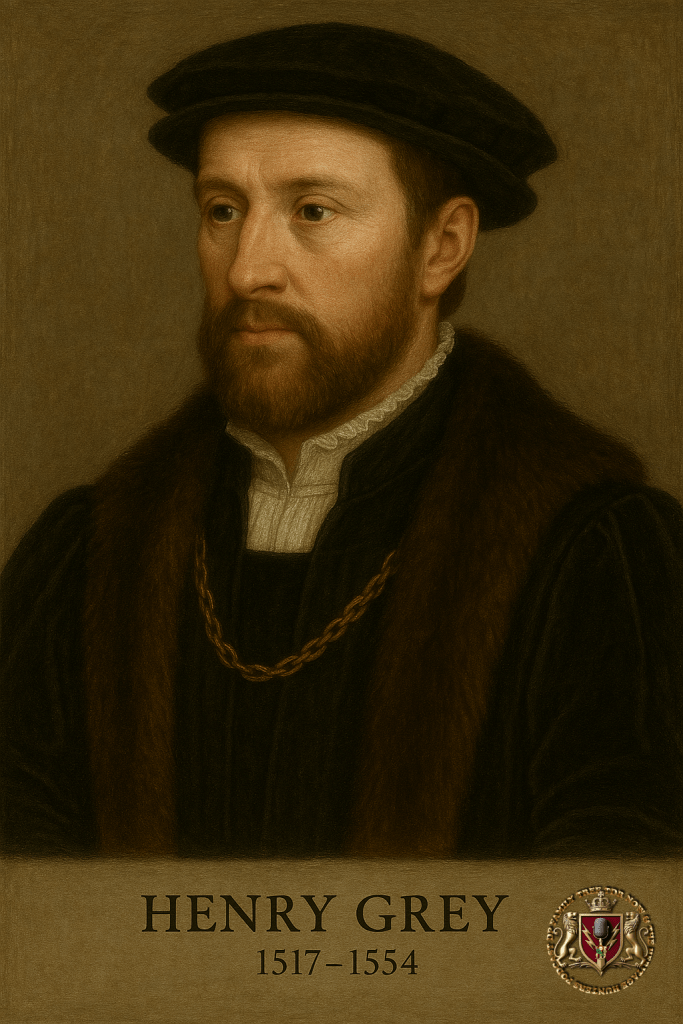
Henry Grey, 1st Duke of Suffolk (1517–23 Feb 1554, beheaded) — raised in Leicestershire; captured and executed.
Lord Thomas Grey (1526–27 Apr 1554, beheaded) — Suffolk’s brother; executed at Tower Hill.
Lord John Grey (1523–1569) — arraigned & condemned 20 Feb 1554 (later spared).
Edward Courtenay, Earl of Devon (1527–18 Sep 1556) — arrested 12 Feb 1554; later exiled.
William Thomas (d. 18 May 1554) — conspirator; executed after Tower imprisonment.
Sir Nicholas Throckmorton (1515–1571) — tried 17 Apr 1554, uniquely acquitted.
(Named in examinations) Sir William St. Loe (d. 1565) — Elizabeth’s servant accused by Wyatt/Croft during interrogations.
Kent leaders, captains & gentlemen (named in chronicles, trials or Tower lists)
Sir Henry Isley (d. 1554) — Kent leader; defeated at Wrotham/Sevenoaks; captured; condemned & executed.
Sir George Harper (c.1503–1558) — early with Wyatt, then defected and betrayed plans; survived.
Robert Rudston (c.1518–1585) — prominent Kent rebel; imprisoned then (ultimately) spared.
Capt. Alexander Brett (d. 27 Feb 1554) — defected with the “whitecoats”; one of five sent to Kent “to be executed” on 27 Feb.
Walter Mantell (the elder) (d. 27 Feb 1554) — Kent rebel; executed that day.
Walter Mantell (the younger) (d. 27 Feb 1554) — ditto; Foxe prints his “purgation.”
Two Knyvets/Knevets (forenames not given in Foxe) — executed 27 Feb 1554.
Cuthbert Vaughan (1519–1563) — Wyatt captain; imprisoned in Tower; later served abroad under Elizabeth.
Edward Wyatt, Edward Fogge/Fog, George Moore, Thomas Vane, two Culpeppers — named among those brought into the Tower with/after Wyatt.
George Brooke, 9th Lord Cobham (c.1497–1558) — Kent magnate whose Cooling Castle was seized briefly during Wyatt’s march.
Other named officials & witnesses in the record
Sir Maurice Berkeley of Bruton (c.1506–1581) — the man to whom Wyatt surrendered at Temple Bar on 7 Feb 1554; conveyed him to the Tower that day.
Sir John (later Lord) Chandos/Brydges — received Wyatt at the Tower; managed executions/security.
“Who died when / how / where / by whom” (key executions)
Lady Jane Grey & Guildford Dudley — executed 12 Feb 1554, Tower (aftermath of Suffolk’s rising; not participants in Wyatt’s march).
Henry Grey, Duke of Suffolk — 23 Feb 1554, beheaded at Tower Hill.
Mass Kentish executions — 27 Feb 1554: Capt. Alexander Brett, Walter Mantell (elder & younger), and two Knyvets “sent into Kent to be executed,” per Foxe. (Hanging/drawing/quartering typical for treason outside the peerage; individual gallows sites varied by town.)
Sir Thomas Wyatt the Younger — 11 Apr 1554, beheaded & quartered at Tower Hill; before death publicly cleared Elizabeth and Courtenay.
Lord Thomas Grey — 27 Apr 1554, beheaded at Tower Hill.
William Thomas — 18 May 1554, hanged, beheaded & quartered (at Tyburn), after conviction for plotting murder of the Queen.
Useful timeline pins (for cross-checking dates)
25 Jan 1554 — Wyatt proclaims at Maidstone; Carew flees Devon 25 Jan; Kent bands gather.
27–28 Jan — London “whitecoats” march out under Brett/Fitzwilliam/Pelham/Norfolk; defect at Rochester Bridge.
1 Feb — Mary’s Guildhall speech turns London solidly royalist.
7 Feb — Wyatt reaches Ludgate, is blocked, retreats, and surrenders to Sir Maurice Berkeley at Temple Bar; taken to the Tower.
15 Mar — Wyatt tried/condemned at Westminster; 17 Apr Throckmorton tried & acquitted; 28 Apr Croft tried (later pardoned).
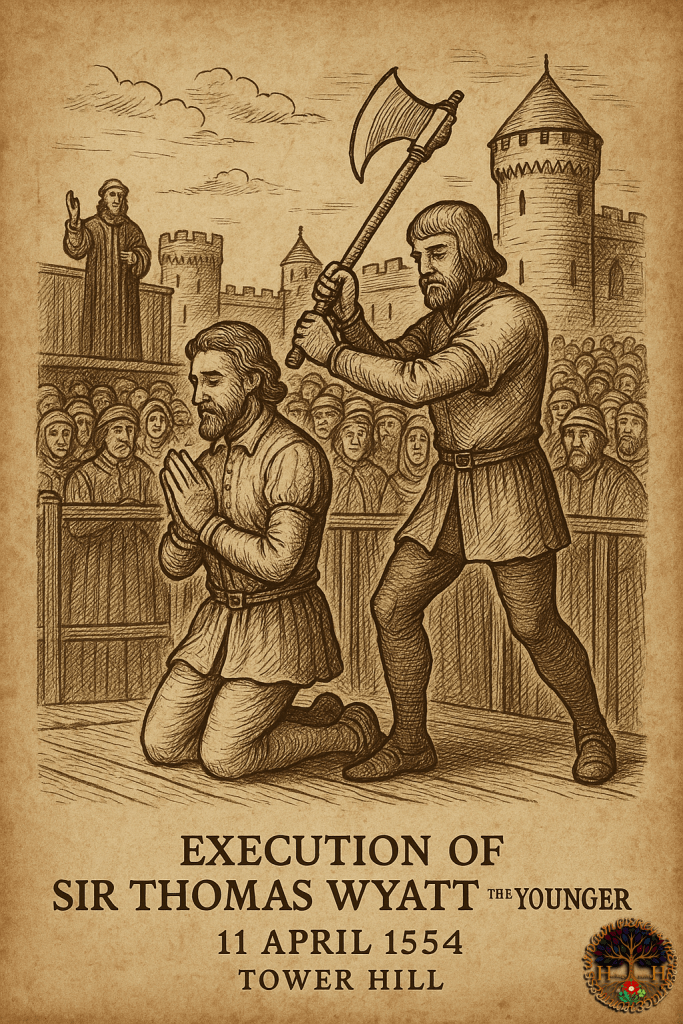
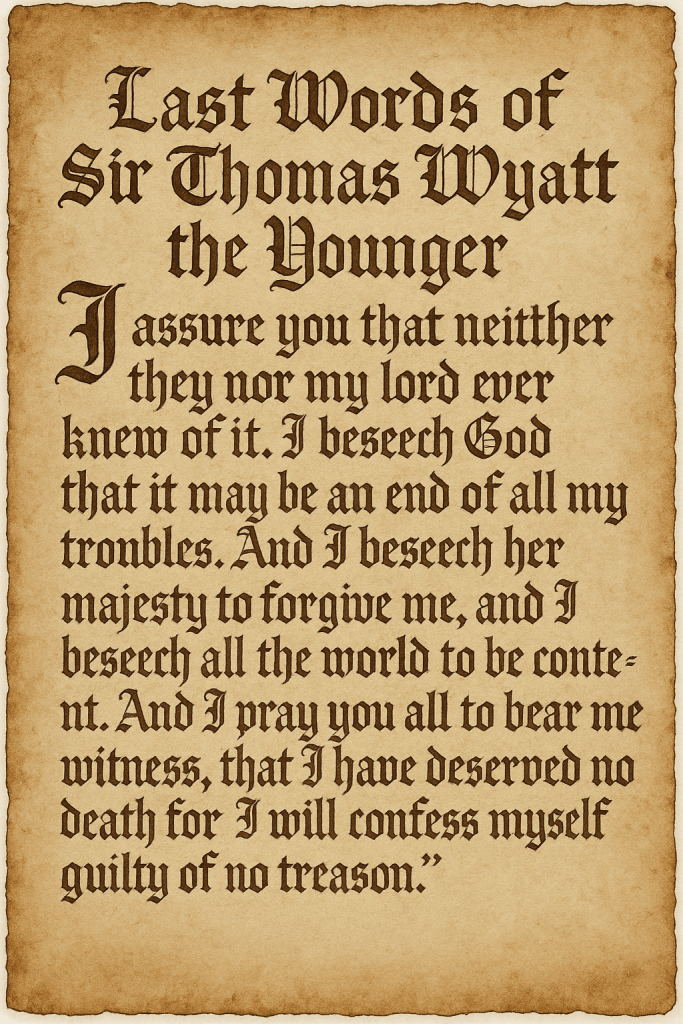
⚔️ Wyatt’s Final Words (11 April 1554, Tower Hill)
He declared that Princess Elizabeth and Edward Courtenay were completely innocent of the rebellion, saying they “never knew of it.”
He admitted his own guilt, acknowledging he had stirred the people “foolishly, rashly, and without cause.”
He begged forgiveness from God, the queen, and the people of England.
He asked those present to pray for his soul.
According to Raphael Holinshed’s Chronicles (1577), Wyatt also said he trusted his death would “make amends” for his offense.
John Foxe in Acts and Monuments (1583) emphasized that Wyatt “cleared the Lady Elizabeth and Courtenay” before laying his head on the block.
—
Summary
Wyatt died:
Taking full responsibility for the rebellion.
Absolving Elizabeth and Courtenay, which helped save Elizabeth’s life.
Submitting to Mary’s authority, even though his rebellion had been against her marriage plans.
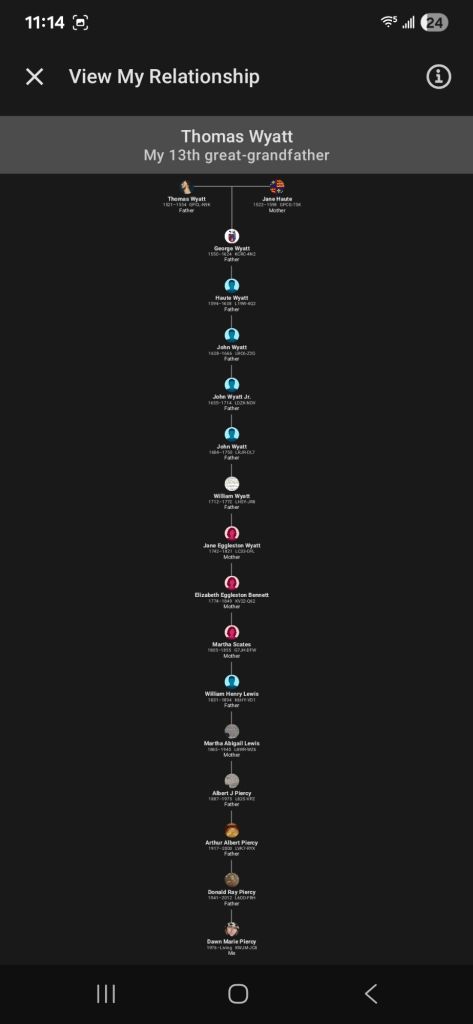
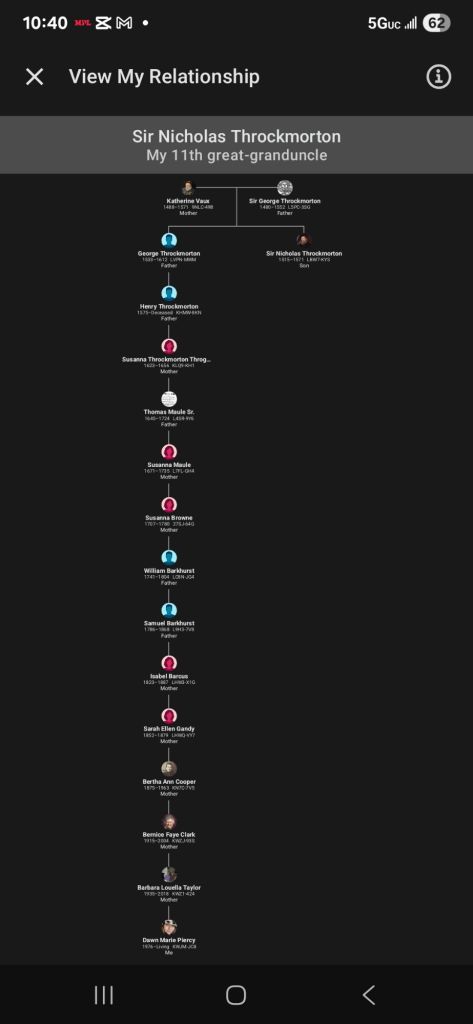
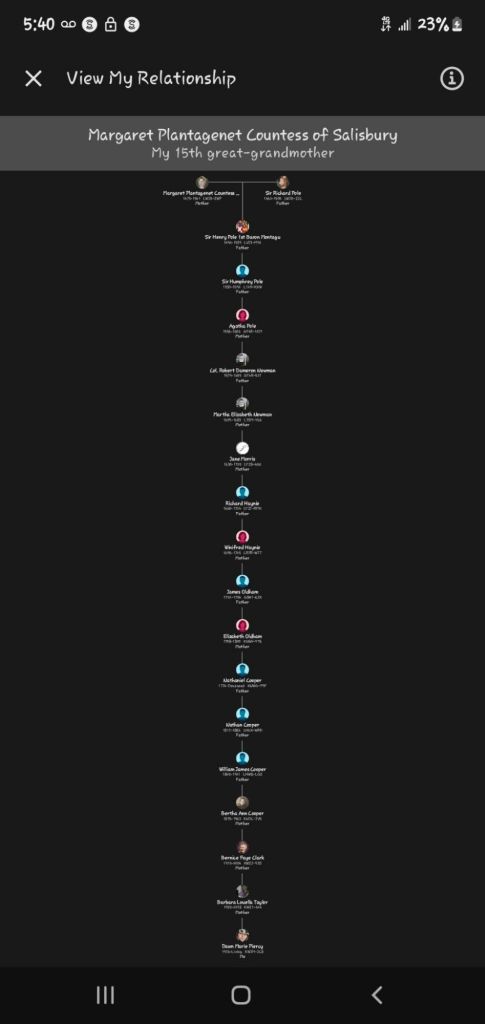
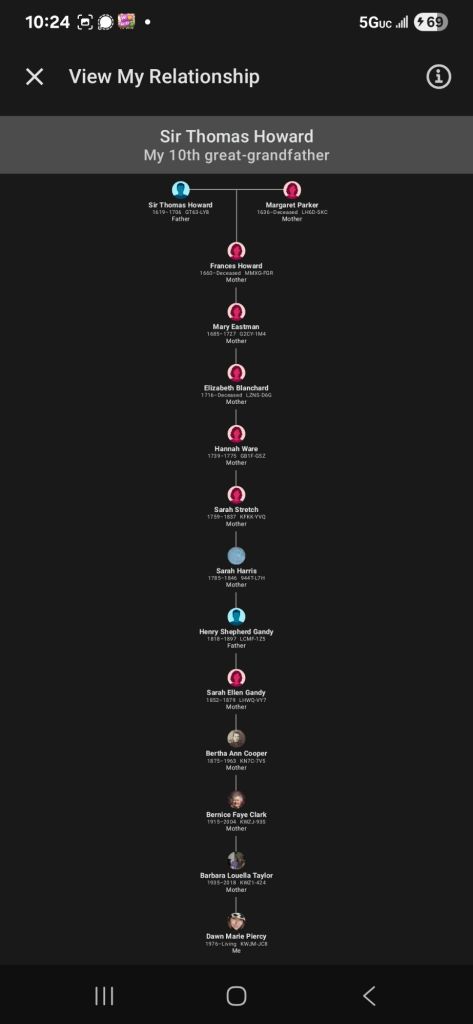
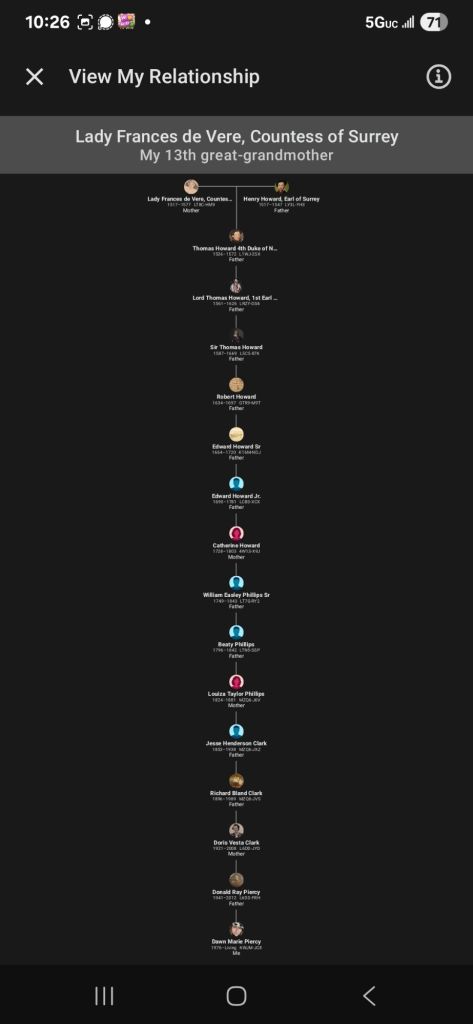
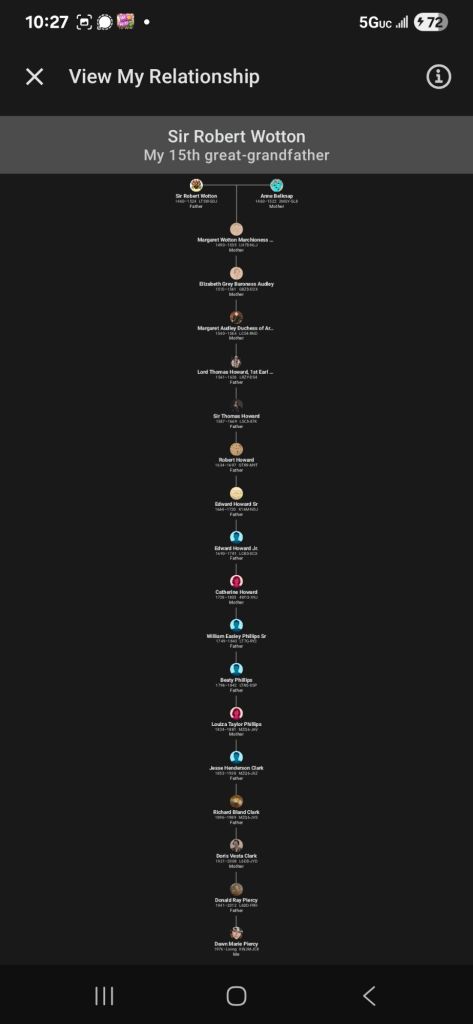
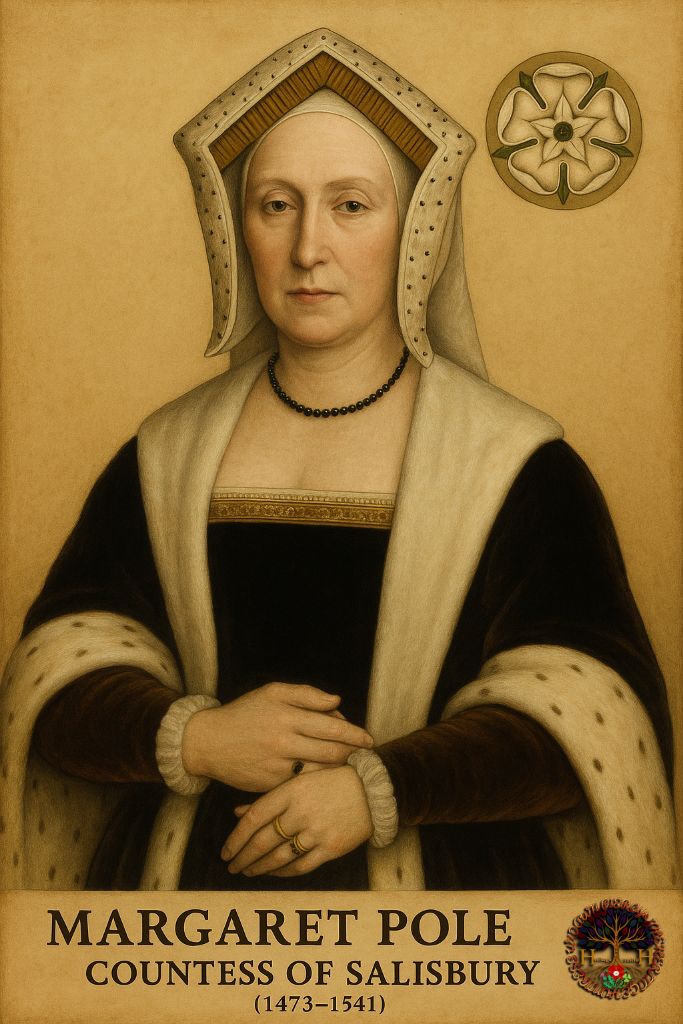
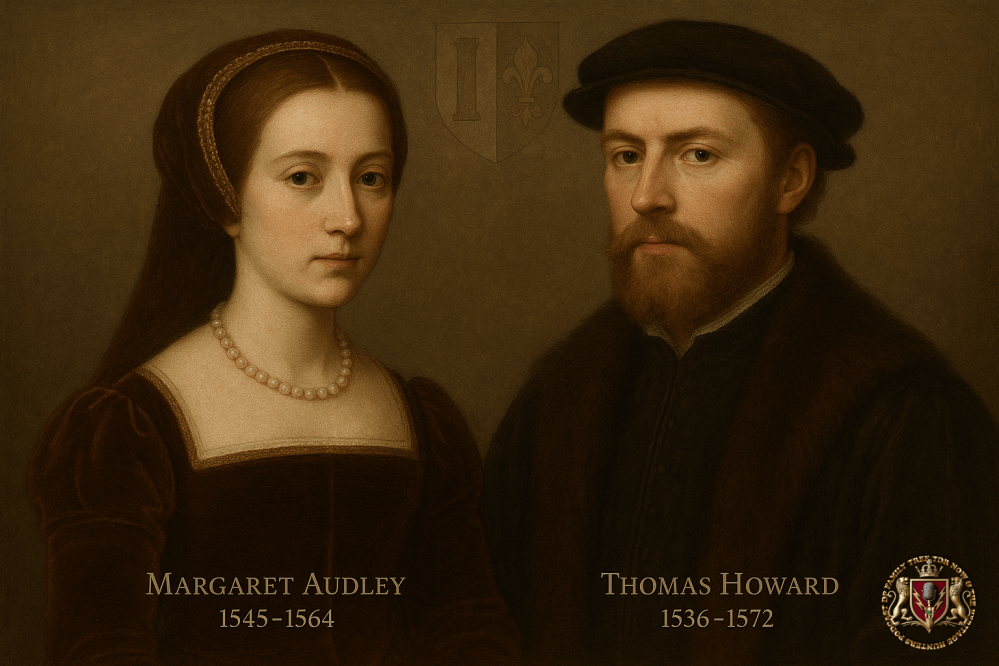
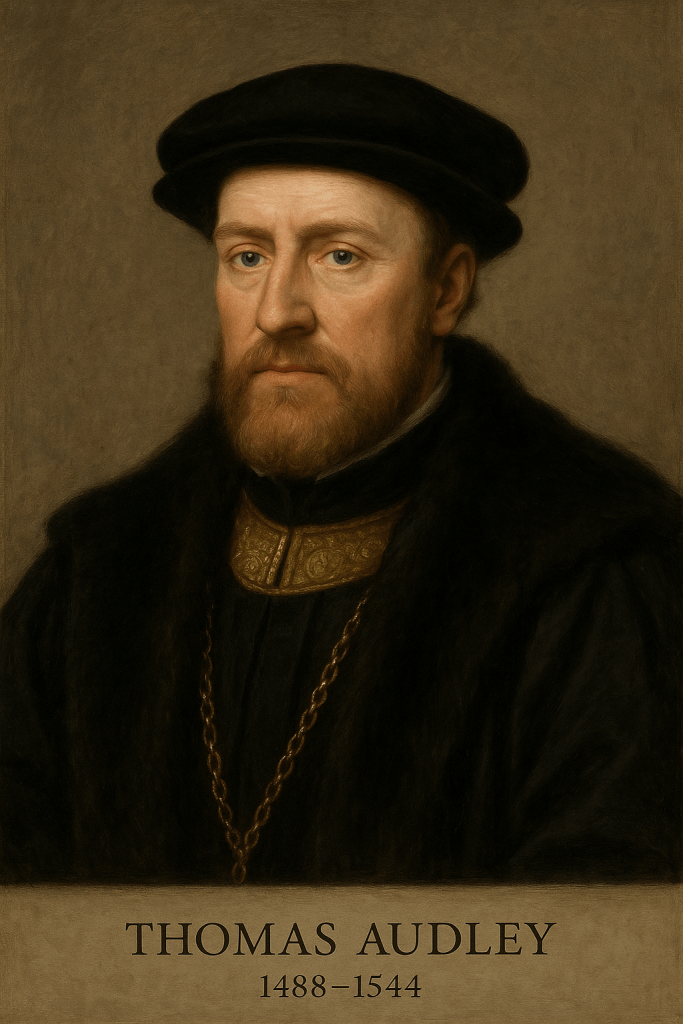
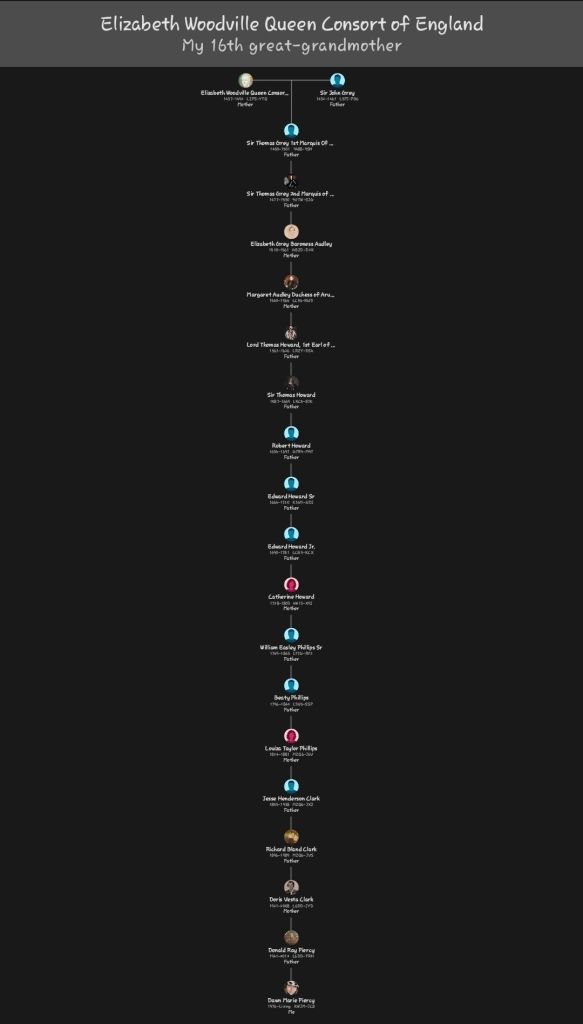
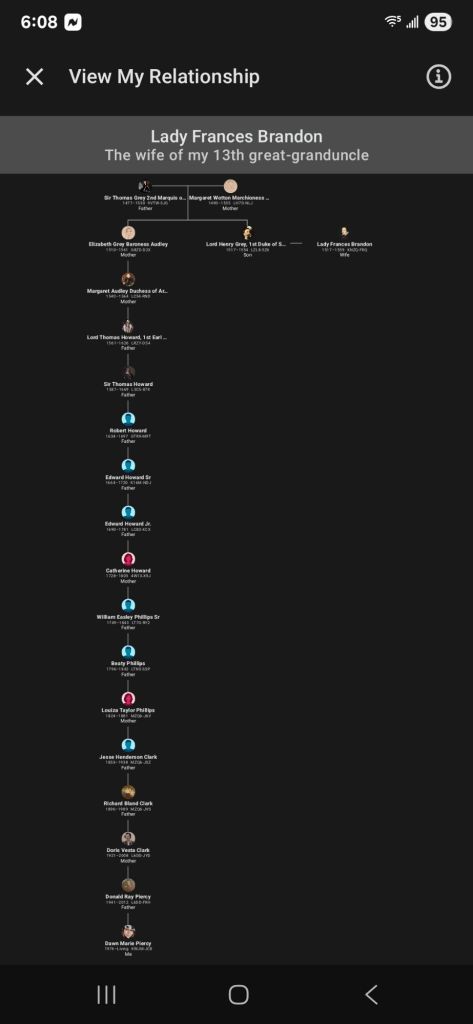
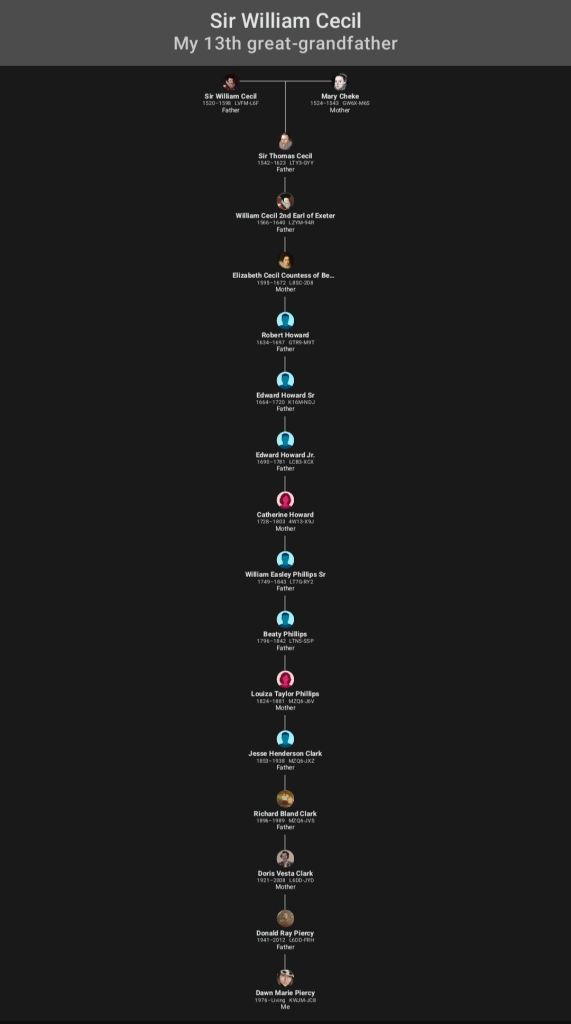
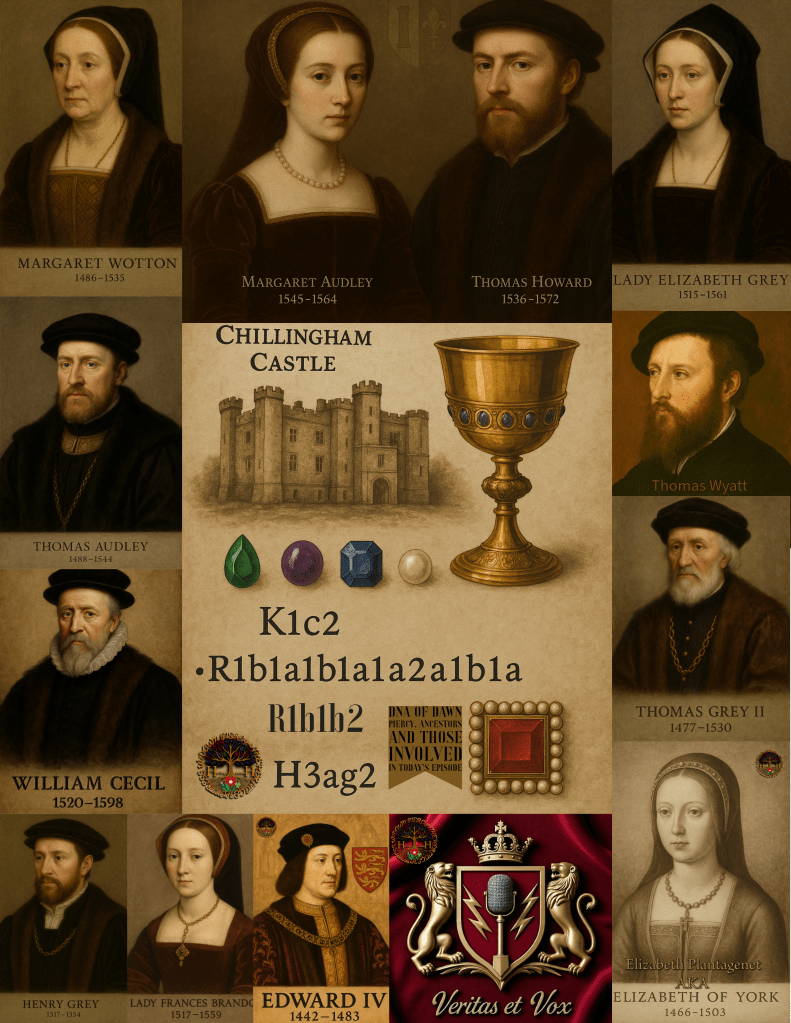
To see where I fit into all this, how I am related to who, see the slideshow below.












 Tdr Now & The Heritage Hunters Podcast
One Comment Add yours