Welcome back to Tdr Now and The Heritage Hunters Podcast! In our last episode we covered The Ridolfi Plot, now we are going into Wyatt’s Rebellion, the fall of the Grey family, and into Lady Elizabeth Grey, my 13th great grandmother, and the paternal aunt of Lady Jane Grey whom is known as the 9 Day Queen but I’ve read it was really 13 days, no one mentions it. Jane was 17 years old… let’s repeat that shall we?
17 years old.
TUNE into The Plantagenet’s Episode 3 where I left off going into the tip of Wyatt’s Rebellion from the Grey family perspective, and the events that unfolded around it BELOW. I give a round of key details in the podcast, and everyone surrounding them I do not always list on this page. Be sure to tune in, and read while you listen.
And are you aware she actually asked how she should position her head in fear of being made a mockery. Bless her heart, bless her soul. May she RIP 🙏.
Her father, Henry Grey. There is a lot of information. And here is where we get into…
Henry Grey
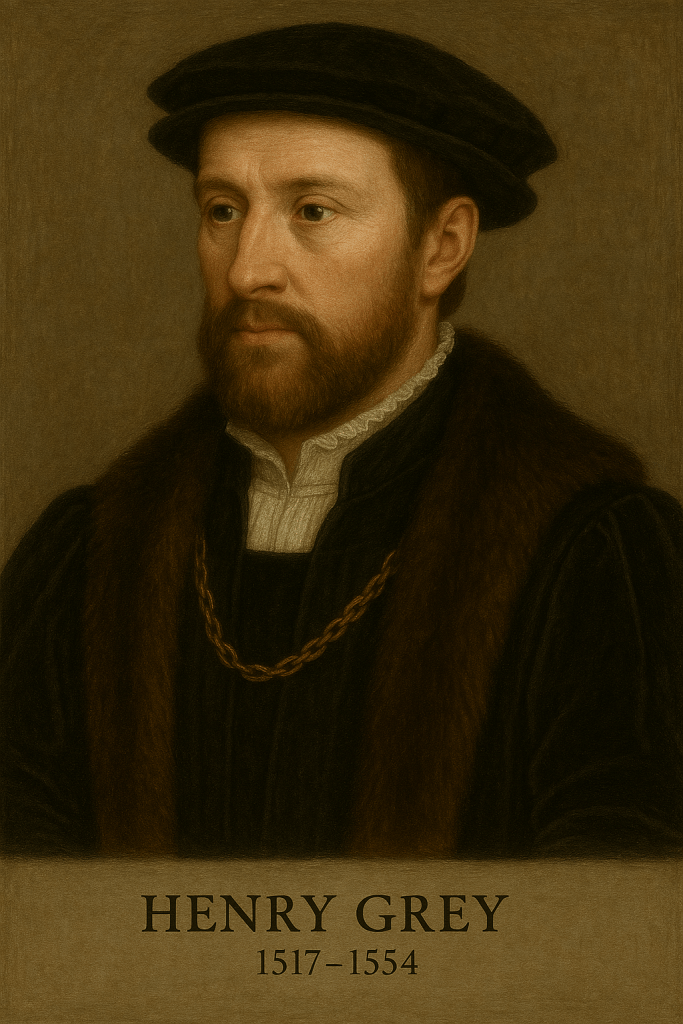
Here’s a detailed timeline focusing on Henry Grey, 1st Duke of Suffolk (Henry Grey, previously 3rd Marquess of Dorset), and his involvement in the political intrigues and plots surrounding his daughter, Lady Jane Grey. The timeline includes dates, key individuals, context, and sources with citations for further reading.
—
Timeline of Henry Grey’s Political Involvement & Plots
1. Birth and Early Life
17 January, 1517 – Henry Grey is born at Westminster, London, son of Thomas Grey, 2nd Marquess of Dorset.
2. Marquessate and Marriage
1530 – Succeeds his father as 3rd Marquess of Dorset.
1533 – Marries Lady Frances Brandon, niece of Henry VIII and daughter of Mary Tudor.
3. Court Career and Religious Leanings
1533–1547 – Serves in various court roles: knighthood, sword-bearer at coronations, military service in France, etc.
Deeply committed Protestant; corresponded with Swiss reformer Heinrich Bullinger, pushing for religious reforms.
4. Ambitions for His Daughter
1547 – After Henry VIII’s death, Henry Grey conspires with Protector Thomas Seymour to marry his daughter Jane to the young Edward VI—seeking to elevate her status. The plot fails, but Grey escapes punishment.
5. Elevation to Duke; Political Rise
1549 – Joins the Privy Council under John Dudley (Earl of Warwick), who becomes Duke of Northumberland.
4 or 11 October 1551 – Created Duke of Suffolk alongside Dudley becoming Duke of Northumberland.
6. Succession Crisis and “Nine Days’ Queen”
25 May, 1553 – Edward VI, dying, arranges Jane’s marriage to Northumberland’s son, Guilford Dudley. Jane is made his designated heir.
6 July, 1553 – Edward VI dies.
9–10 July, 1553 – Henry Grey, Northumberland, and Privy Council proclaim Jane as queen.
19 July, 1553 – Popular and political support swings to Mary; Privy Council deposes Jane and proclaims Mary queen. Grey is arrested.
7. Imprisonment and Temporary Pardon
**~July 27, 1553** – Henry Grey is imprisoned in the Tower of London along with other conspirators.
31 July, 1553 – Released from the Tower after his wife petitions Mary I on his behalf. He is pardoned.
8. Continued Protestant Opposition & Rebellion
November, 1553 – In the House of Lords, Grey objects to the restoration of Catholic services and opposes Mary’s proposed marriage to Philip of Spain.
9. Wyatt’s Rebellion and Final Arrest

I will get more into this too as we go on too.
January–February, 1554 – Participates in Wyatts Rebellion aiming to stop Mary’s Spanish marriage. Likely hoping to replace Mary with Elizabeth rather than restore Jane.
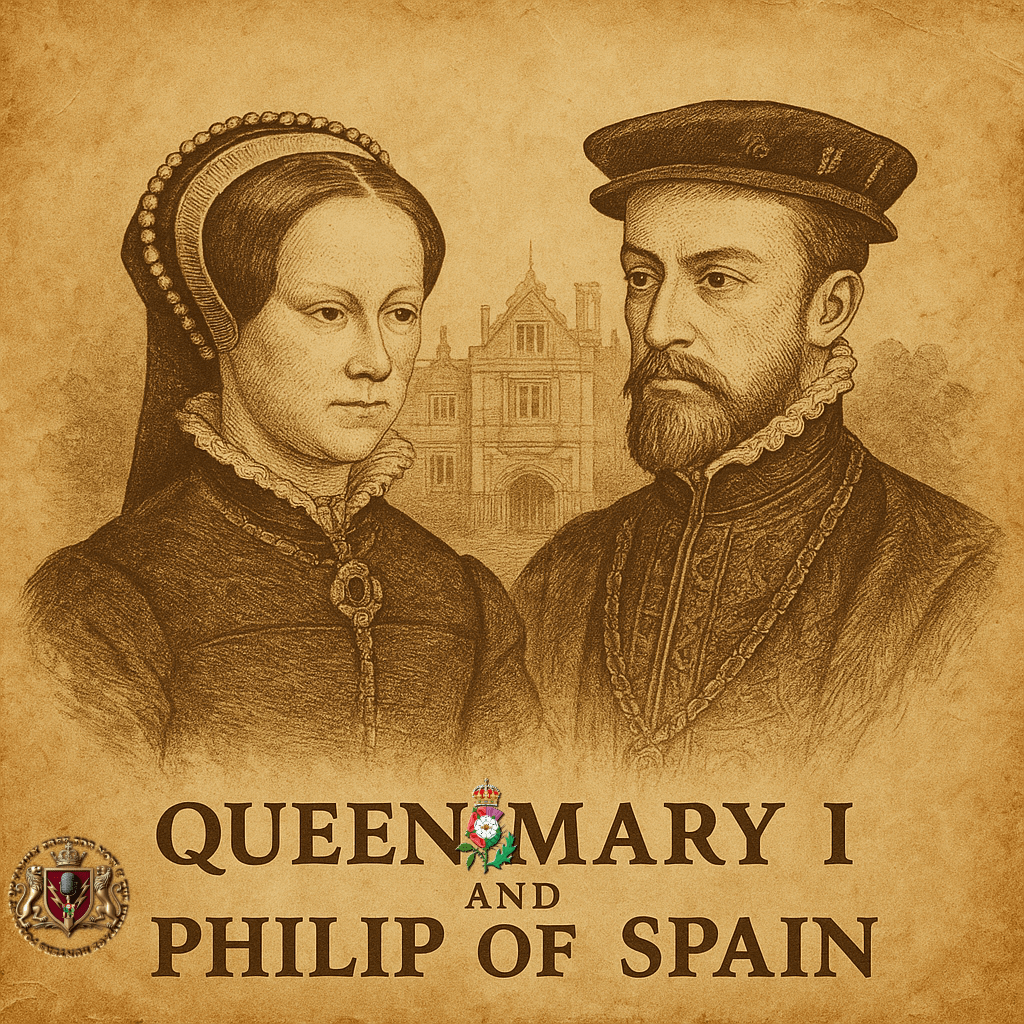
Grey is captured and charged with high treason.
10. Execution of Lady Jane Grey
And then on 23 February 1554 – Henry Grey is executed by beheading on Tower Hill. His dukedom is forfeited.
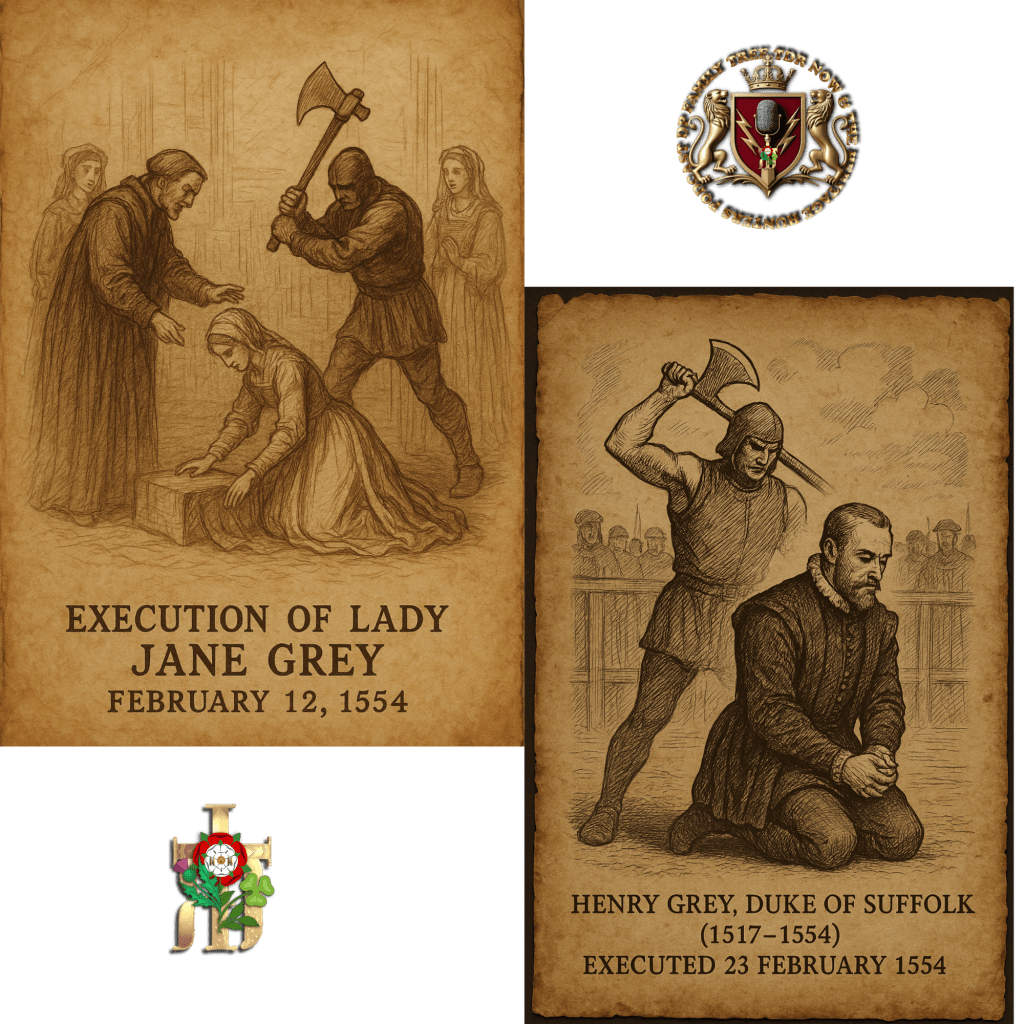
11. Broader Context & Aftermath
His actions were central to the Protestant power struggles during the turmoil of the Tudor succession.
His daughter’s brief reign (10–19 July 1553) is known as the “nine‑day reign.”
As Mary regained power, Henry Grey’s opposition to her Catholic restoration made him a target—and ultimately cost him his life.
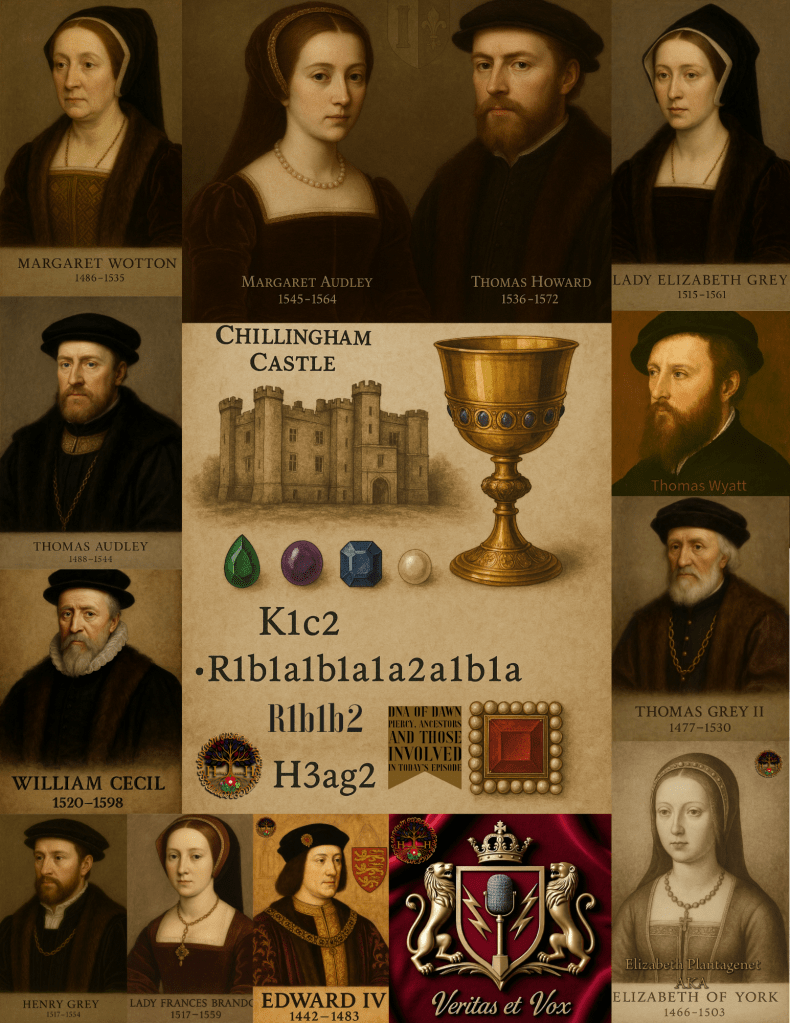
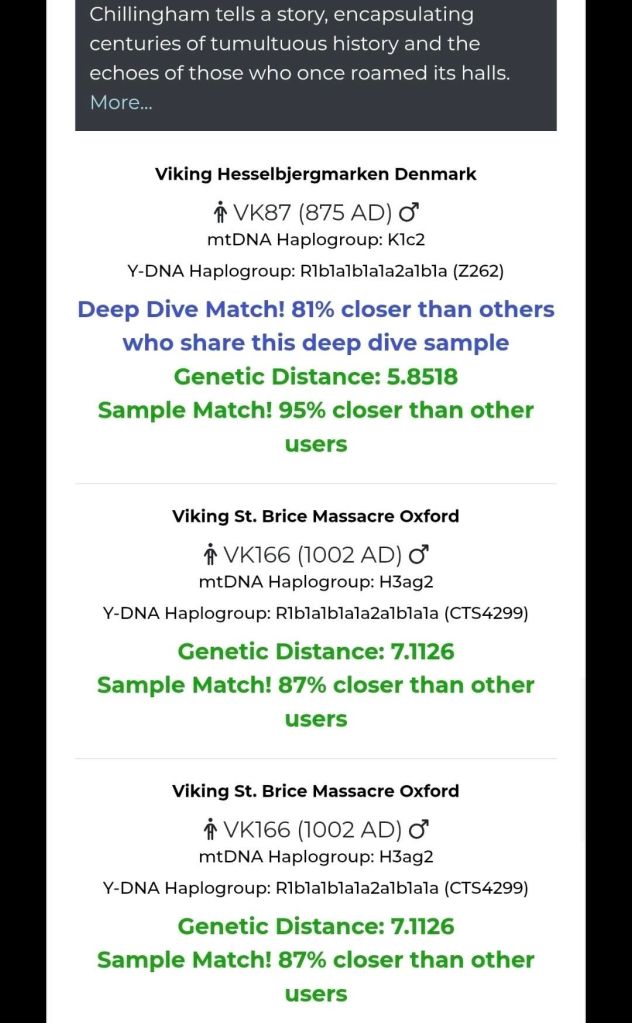
With this here, I share also here a little about their home life, Chillingham Castle, and the Grey families connection below. And then at the end as always, I will place where, how, who, I am direct of and my DNA test confirming. As i never knew this was a large portion of my family history. I had a breakthrough in 2017 when starting my first podcast, ANEW podcast.
Chillingham Castle & The Grey Family
Location & Origins
Chillingham Castle is in Northumberland, England, close to the Scottish border.
Originally a monastery in the late 12th century, it became a fully fortified castle in 1344, granted a license to crenellate (official permission to fortify) by King Edward III.
Its location near the border with Scotland made it a strategic fortress during the Anglo-Scottish wars.
Source: Chillingham Castle – Official Site link below
—
The Grey Family at Chillingham
The Grey family (a powerful English noble family with multiple branches, including the Greys of Groby and the Greys of Ruthin) took ownership of Chillingham Castle in the Middle Ages.
The castle passed into the Grey family through marriage in the 13th–14th centuries and remained associated with them for around 400 years.
Key Grey Family Connections:
Sir Thomas Grey (1359–1400) – Known as the “Parson of Chillingham,” involved in the early governance and defense of the castle.
Sir Edward Grey (15th century) – Prominent member of the family who held Chillingham during the Wars of the Roses.
The Grey family’s power was tied to their border lordship responsibilities, defending against Scottish raids.
Source: Britain Express – Chillingham Castle History
—
⚔️ Historical Role & Turbulence
Chillingham Castle was a base of military operations in the Scottish wars of the 14th–16th centuries.
King Edward I (“Hammer of the Scots”) stayed at Chillingham in 1298 before heading north to battle William Wallace.
Members of the Grey family were wardens of the Marches, charged with border defense.
During the Tudor and Stuart periods, Chillingham remained with the Greys, though fortunes rose and fell due to their involvement in rebellions and political intrigue (the Greys were notorious for this, as seen with Lady Jane Grey’s branch).
—
Decline of the Greys’ Hold
By the 17th century, the castle’s fortunes waned, partly due to the Civil War and the family’s financial struggles.
The Greys eventually lost Chillingham, and it passed into other noble families.
Source: Historic UK – Chillingham Castle
—
Legends & Ghosts (Grey Family Connections)
Chillingham is often called “the most haunted castle in Britain.”
Some legends claim apparitions of Grey family members roam the castle:
The Blue Boy (or Radiant Boy) – Said to be a child of noble birth, possibly tied to the Greys, whose cries were heard in the castle’s Pink Room.
Other Grey figures are tied into ghost lore because of the family’s bloody border history.
Source: English Heritage Ghost Stories – Chillingham
—
References & Sources
1. Chillingham Castle Official Site – History: https://www.chillingham-castle.com/history/
2. Britain Express – Chillingham Castle: https://www.britainexpress.com/attractions.htm?attraction=37
3. Historic UK – Chillingham Castle: https://www.historic-uk.com/HistoryMagazine/DestinationsUK/Chillingham-Castle/
4. English Heritage – Chillingham Ghosts: https://www.english-heritage.org.uk/visit/places/chillingham-castle/
—
⚜️ In short: Chillingham Castle was the Grey family’s northern stronghold, guarding England’s border against Scotland for centuries. Their legacy is one of military might, political intrigue, and ghostly legend.
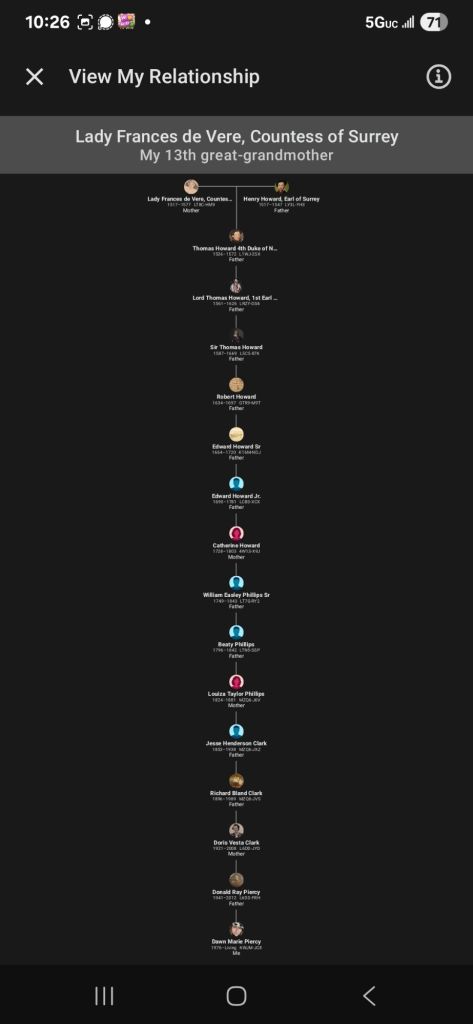
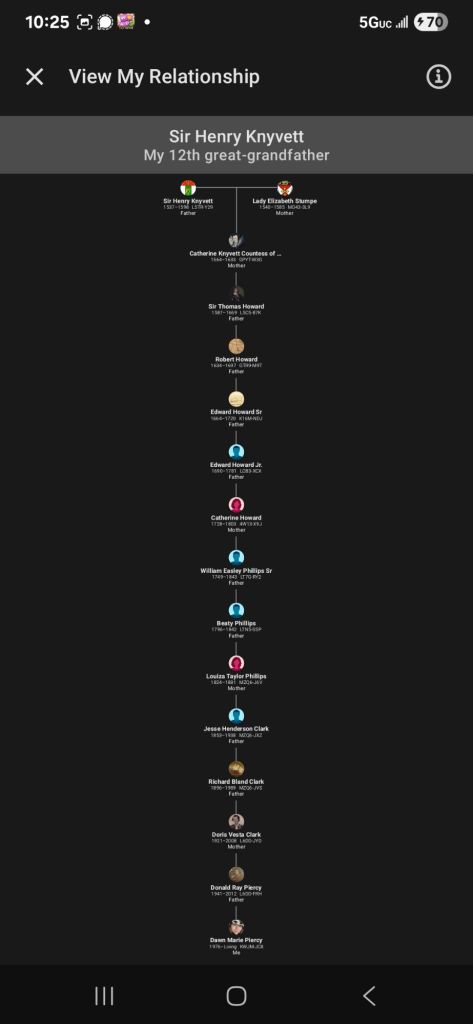
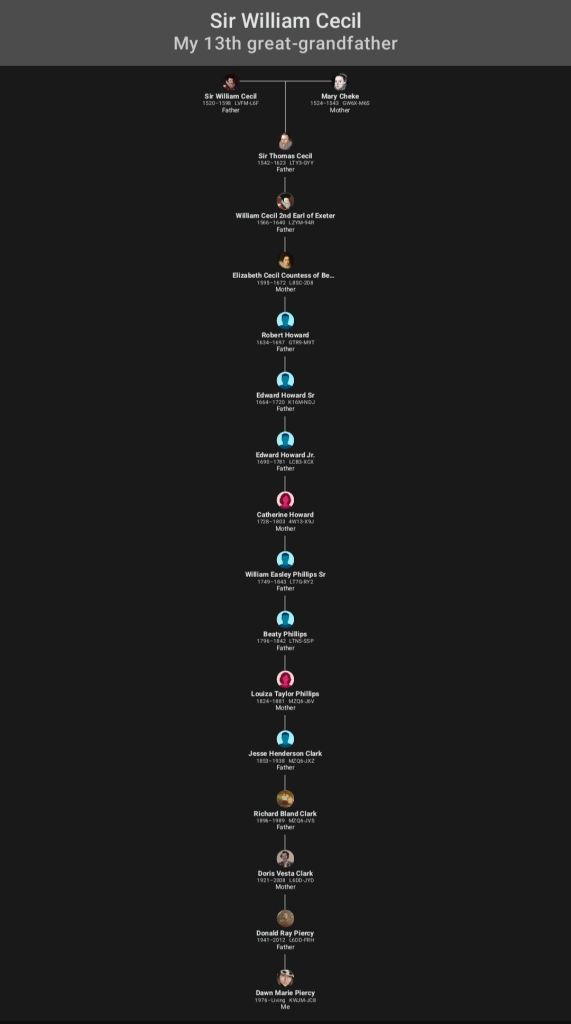
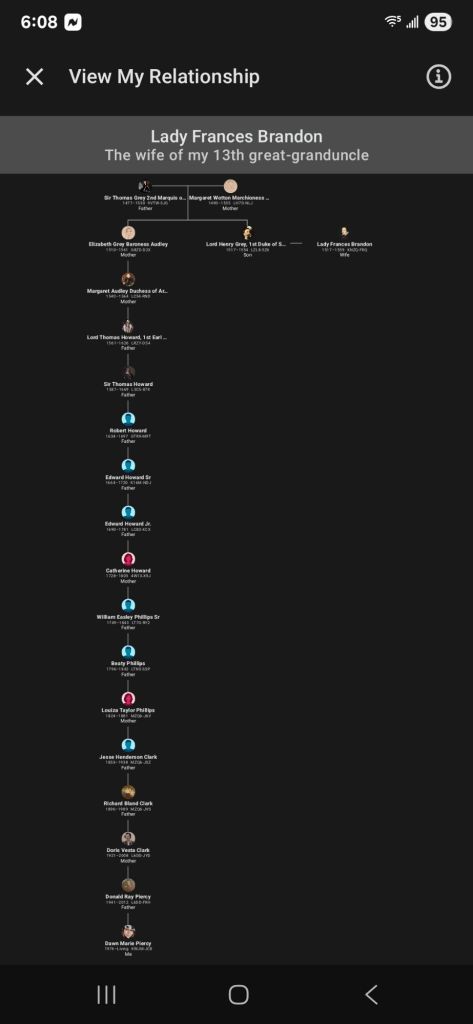
Lady Elizabeth Grey are my 13th great paternal grandmother.
I went over much of Lady Elizabeth Grey in episode one. If you have not tuned into 1 & 2 yet, I highly recommend it, as it leads up to the point where we are now.
Timeline of Lady Elizabeth Grey & the Grey’s of Tudor England
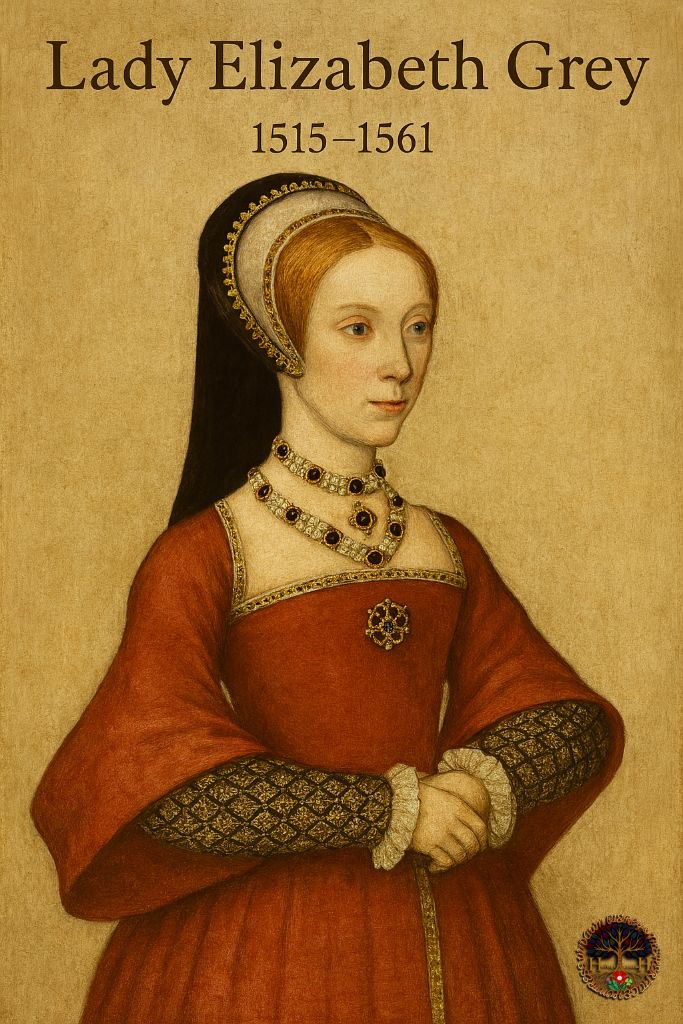
👑 Timeline: Lady Elizabeth Grey & the Greys of Tudor England
1515 – Birth of Elizabeth Grey
Born to Thomas Grey, 2nd Marquess of Dorset (1477–1530) and Margaret Wotton (c. 1485–1535), Elizabeth became part of one of England’s most powerful noble families.
—
1530–1535 – Early Adulthood & Family Conflicts
1530: Death of her father, Thomas Grey, 2nd Marquess of Dorset
Early 1530s: Elizabeth’s mother, Margaret Wotton, had public disputes with her son Henry Grey over finances and marriage contracts
—
1538–1540 – Marriage to Thomas Audley
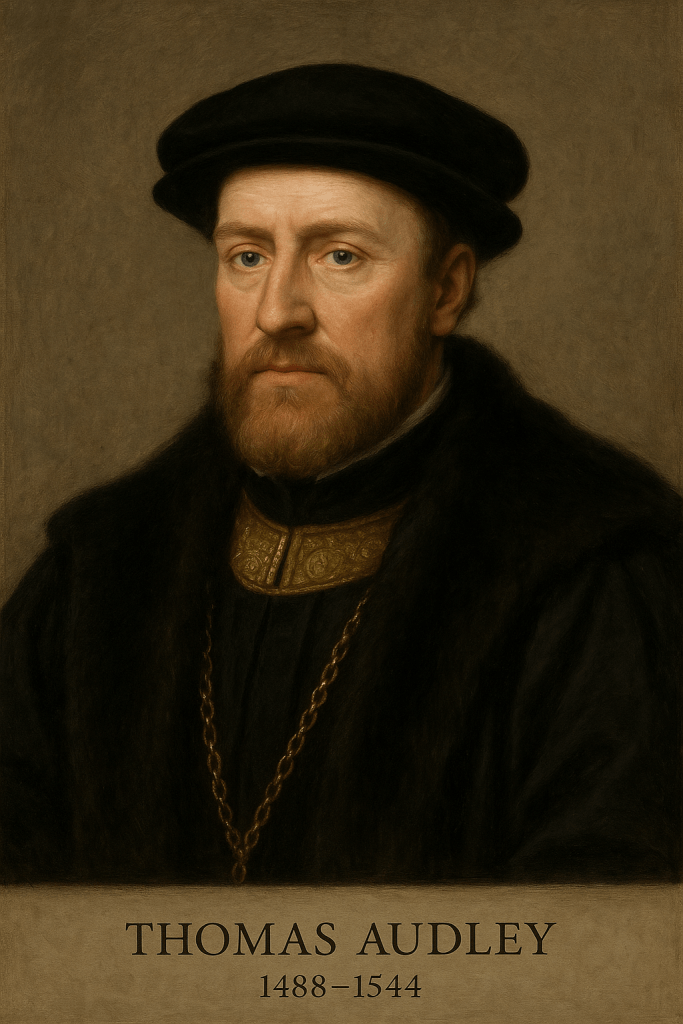
Elizabeth married Thomas Audley, 1st Baron Audley of Walden, Lord Chancellor under Henry VIII—a union likely arranged to favor Audley’s loyalty
This marriage created a financial and social burden for her mother-in-law, who complained about costs
1540: Birth of daughter Margaret Audley
—
1544 – Thomas Audley’s Death
Audley died on 30 April 1544. Elizabeth became a widow at about age 29 and lived at Audley End until her death
—
1540s–1550s – Rise of the Grey Family
1547–1550s: Elizabeth’s brother Henry Grey rose to Marquess and later Duke of Suffolk.
1553: Henry’s daughter, Lady Jane Grey, was proclaimed Queen for nine days following Edward VI’s death; Elizabeth was her aunt .
—
1554 – Downfall of the Greys
February 1554: Execution of both Henry Grey and Lady Jane Grey following their roles in Wyatt’s Rebellion and succession crisis
Elizabeth survived but her family’s status was significantly damaged.
—
1564 – Death of Lady Elizabeth Grey
She passed away in 1564 at Audley End and was buried in a family chapel nearby
—
⚖️ Scandals & Plots Involving the Greys
💸 Family Financial Feuds
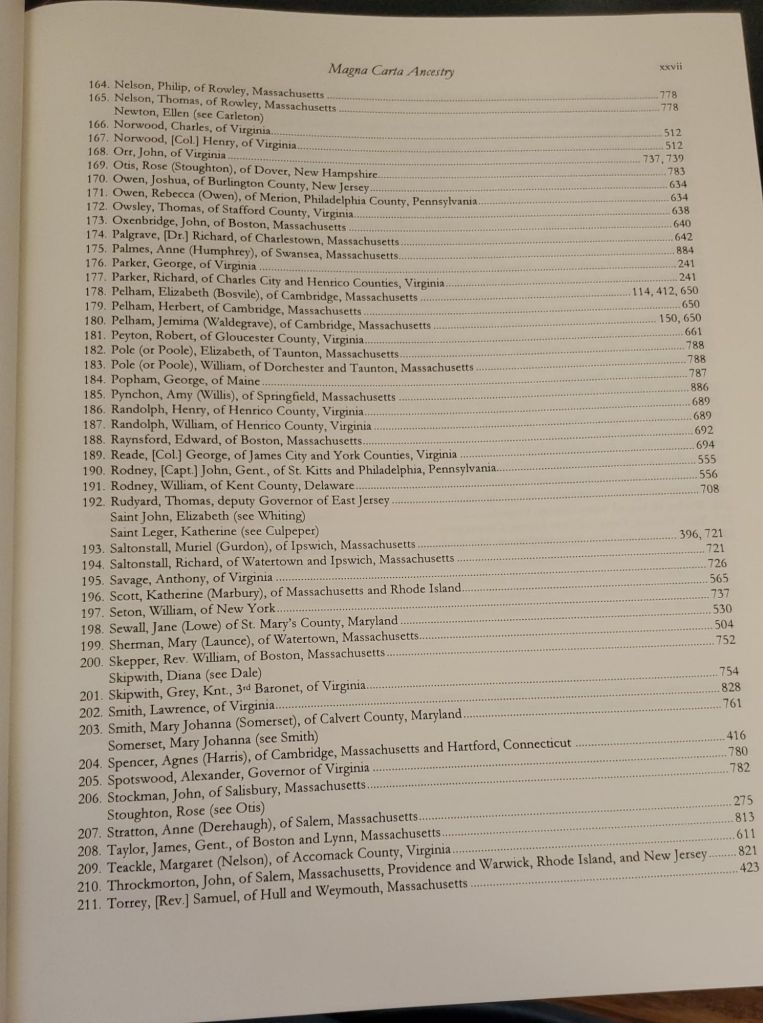
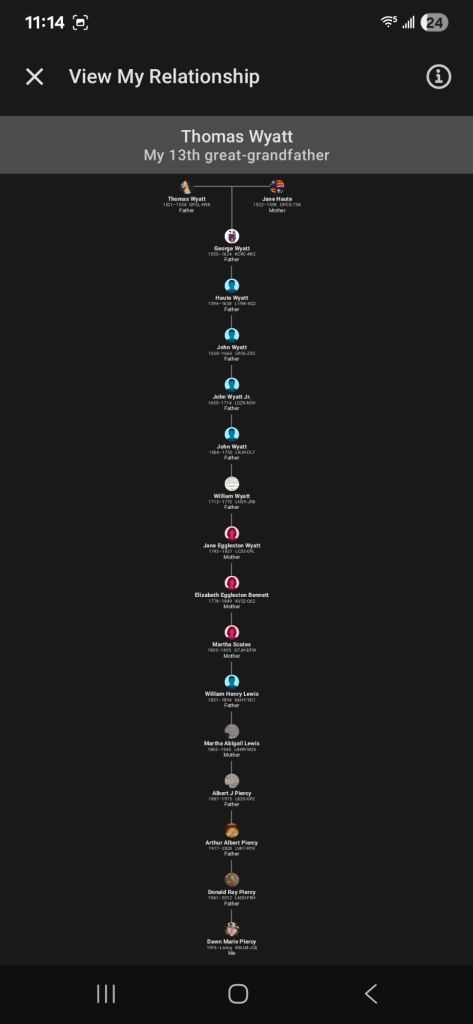
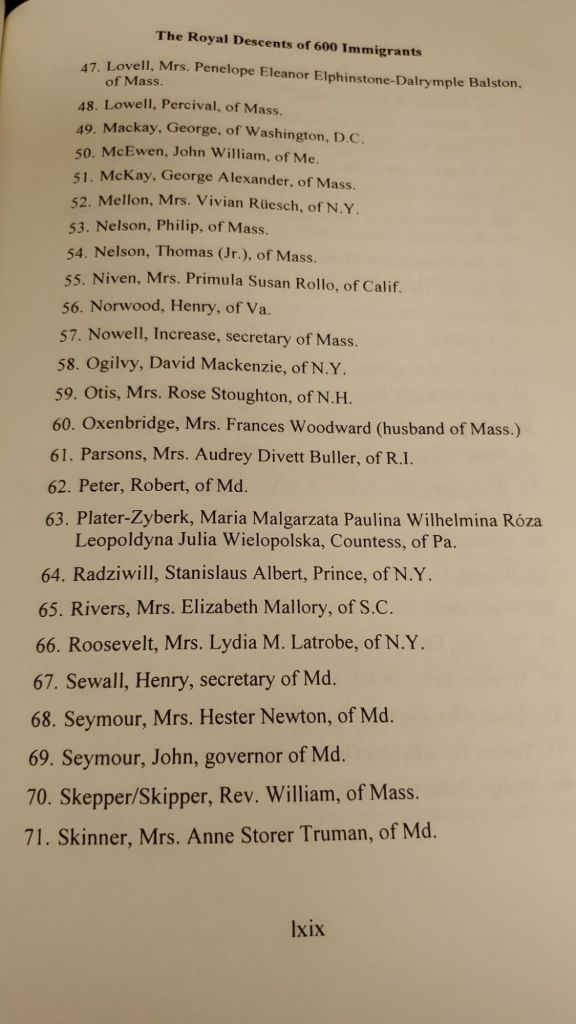
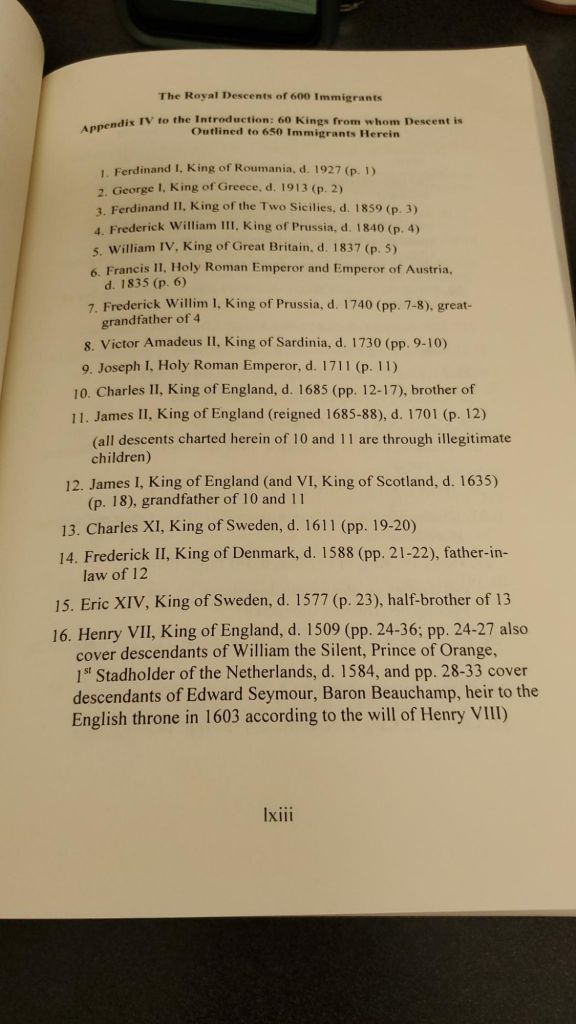
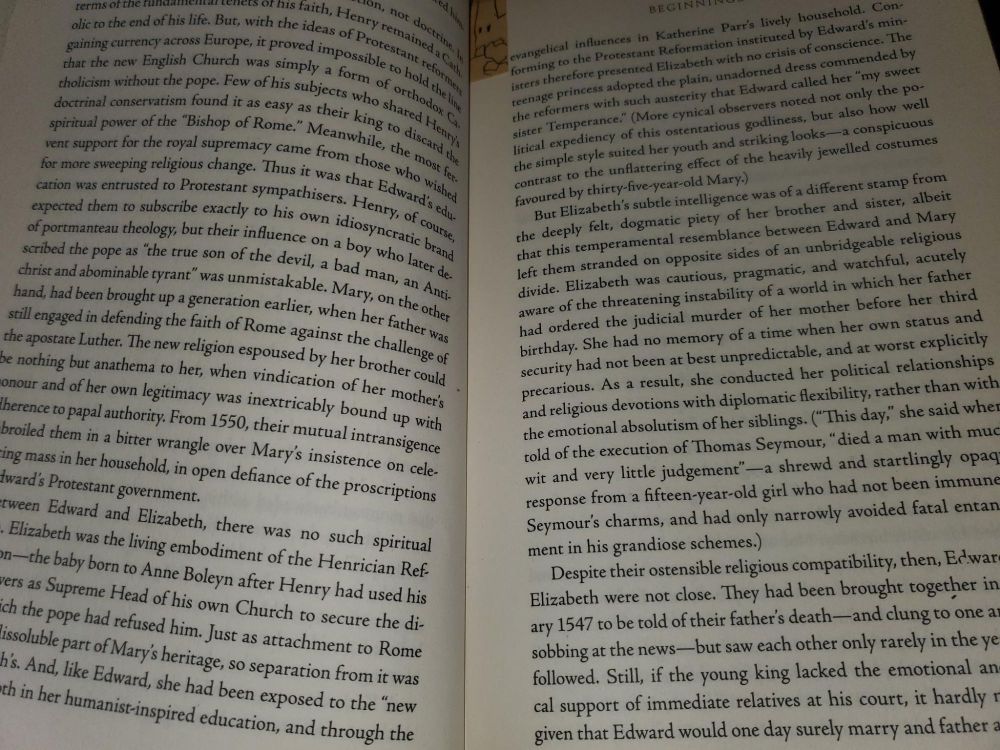
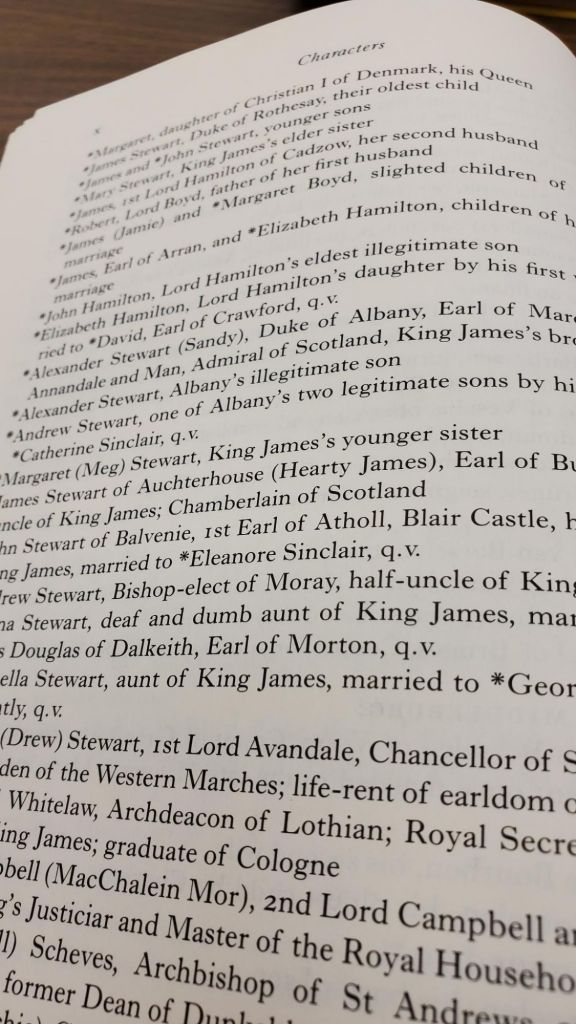
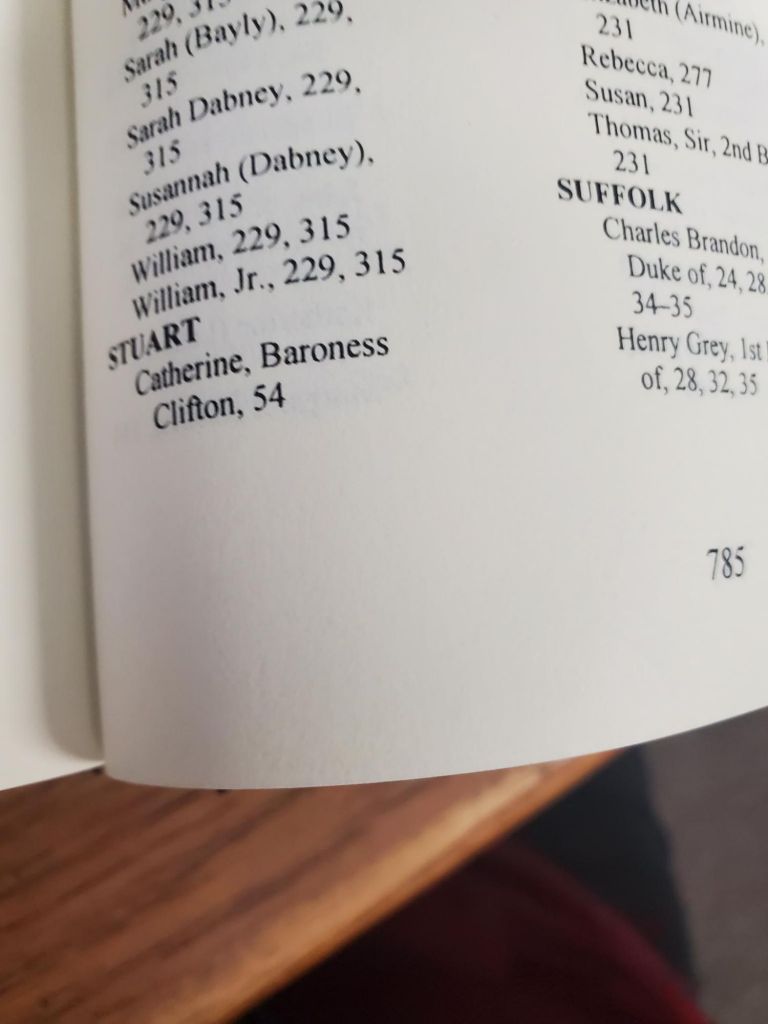
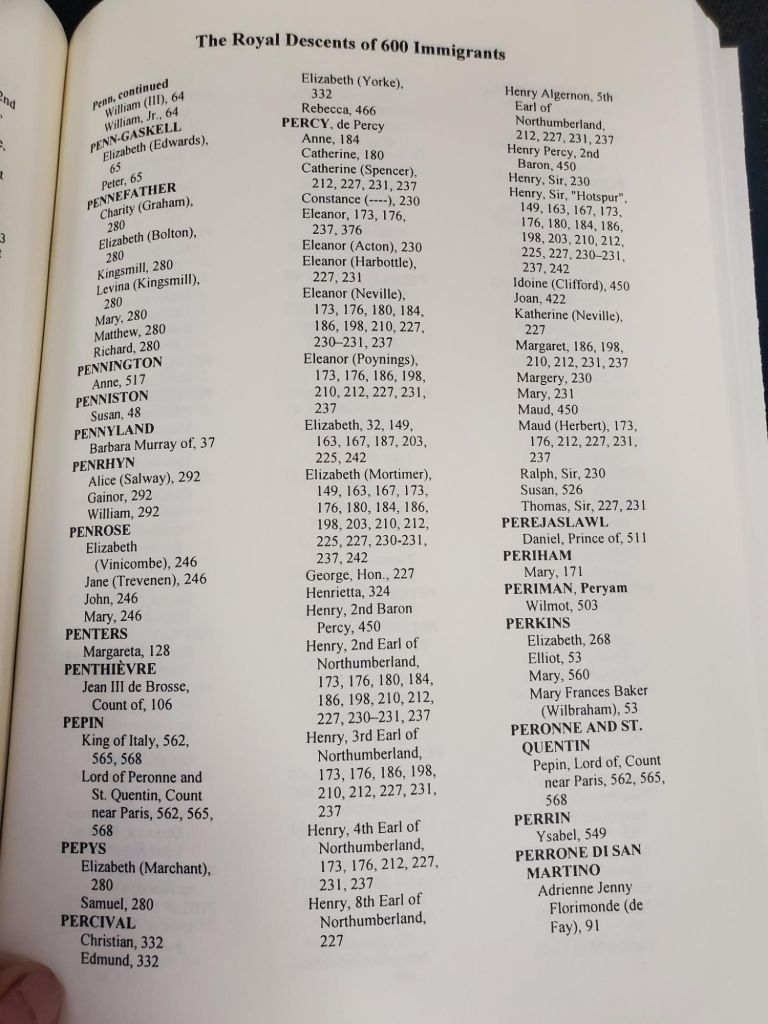
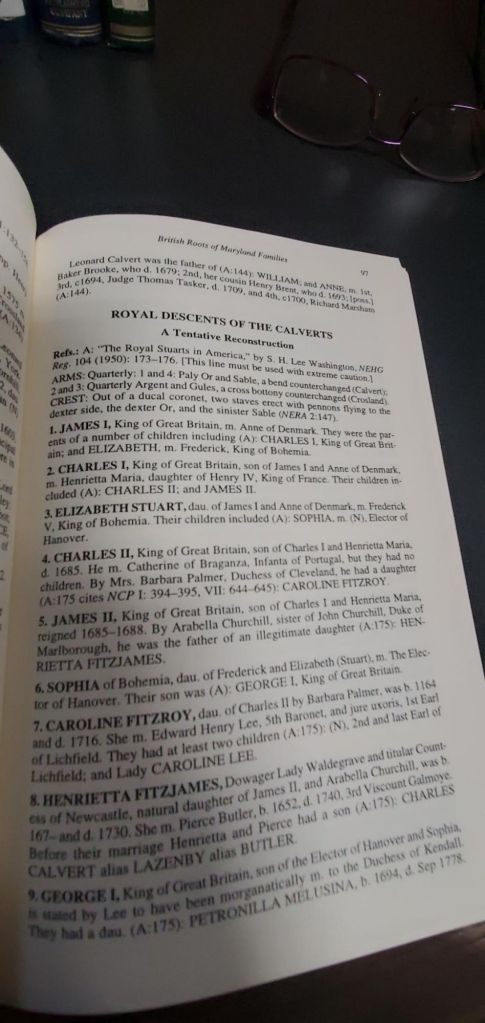
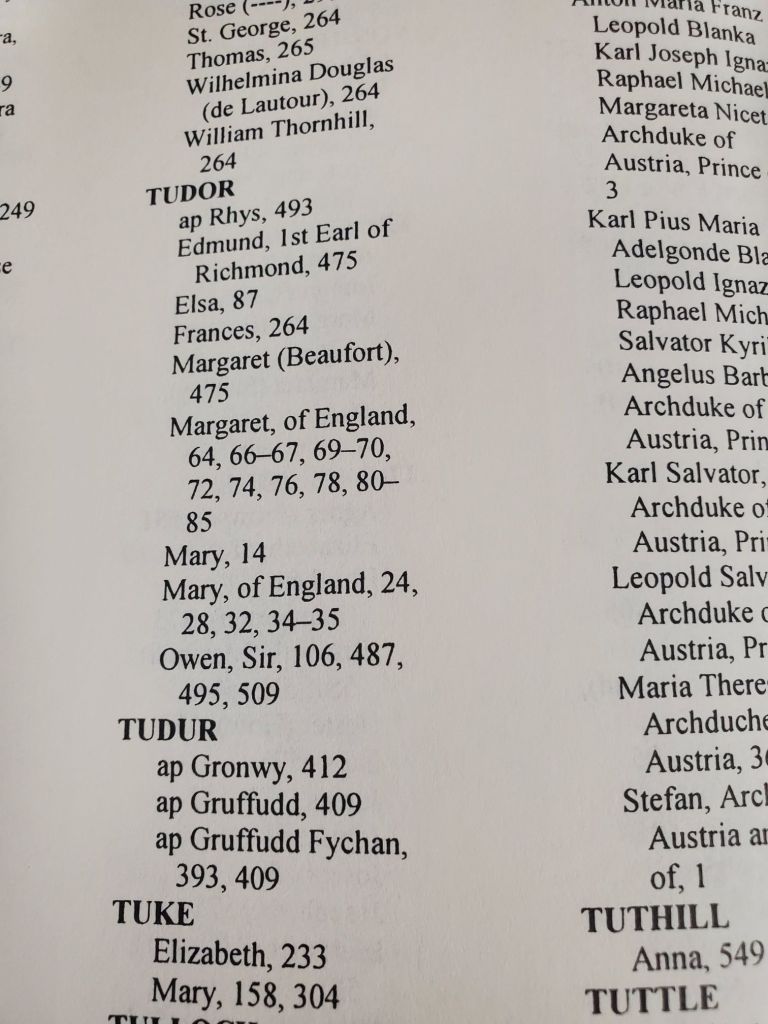
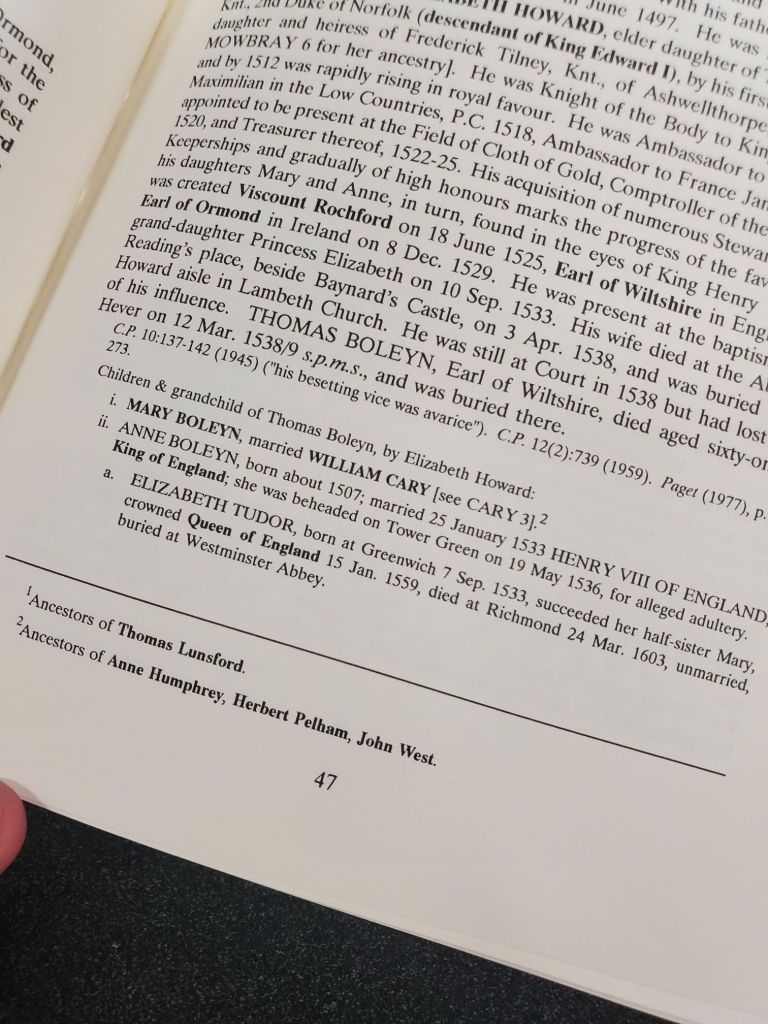
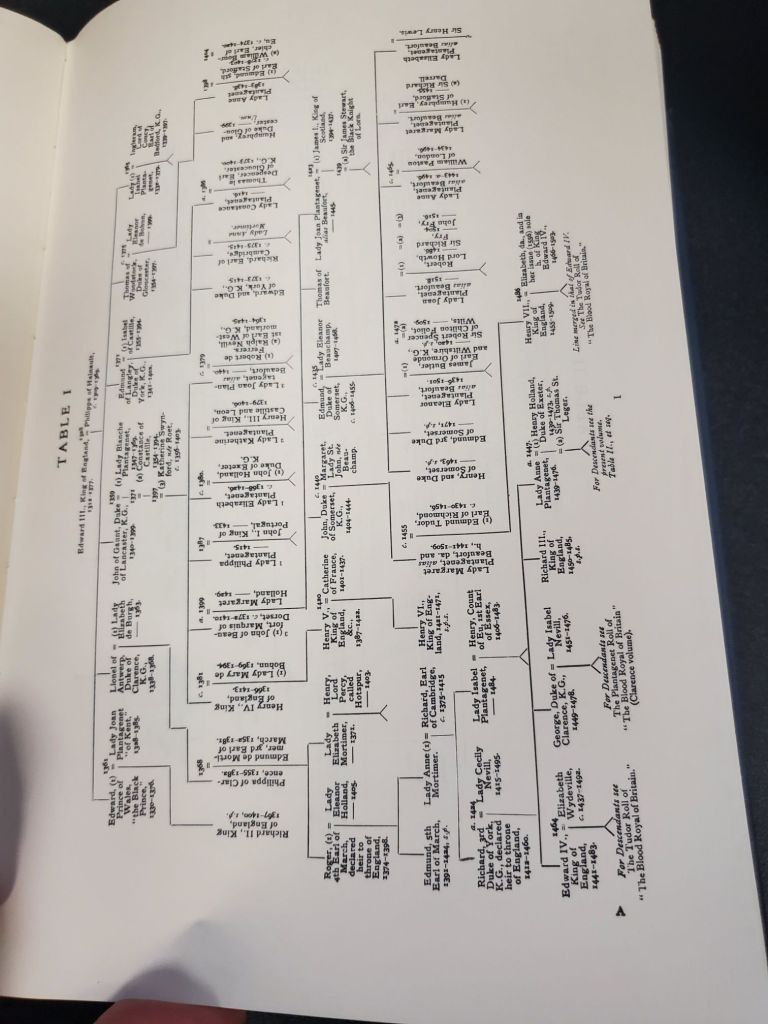
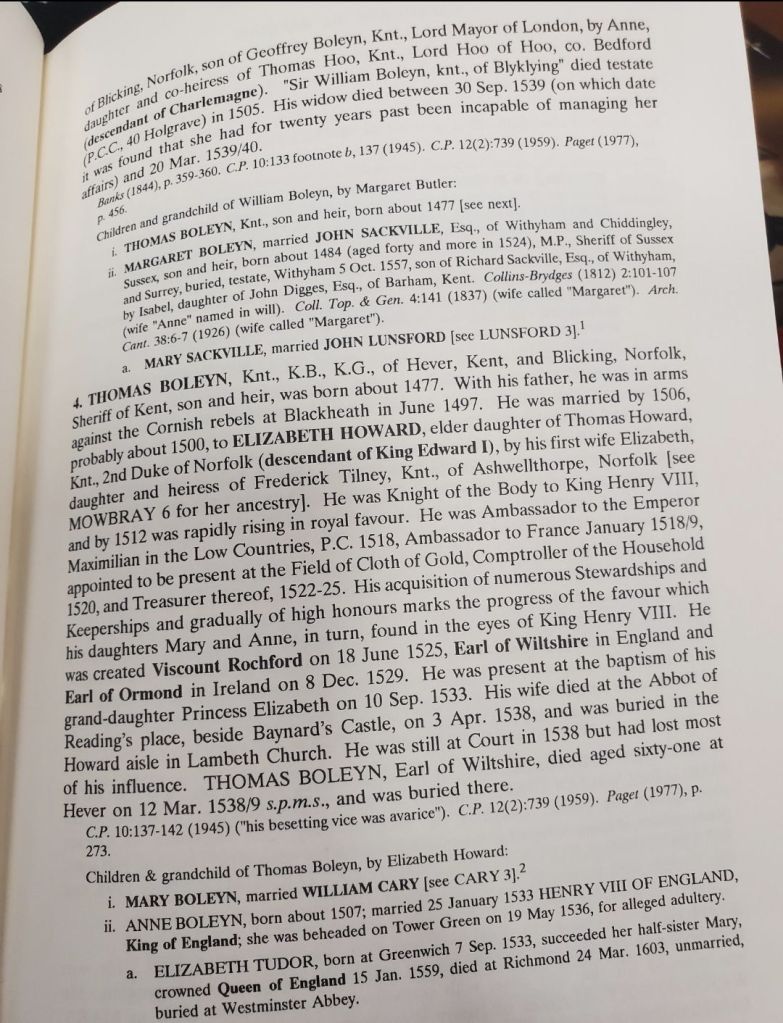
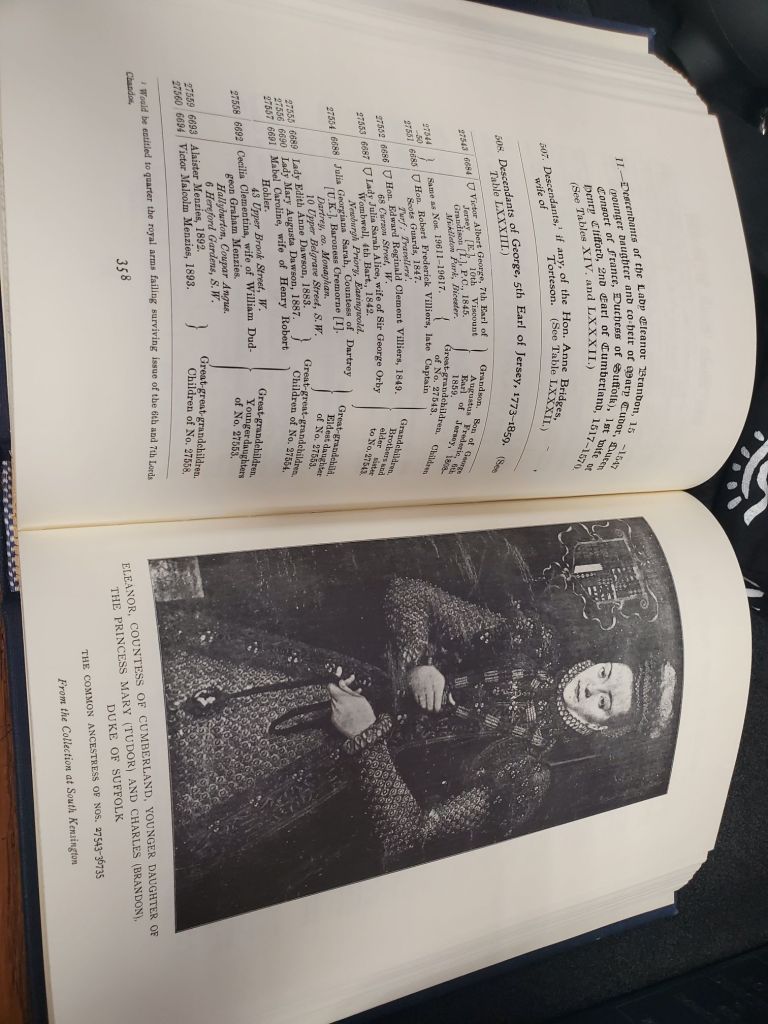
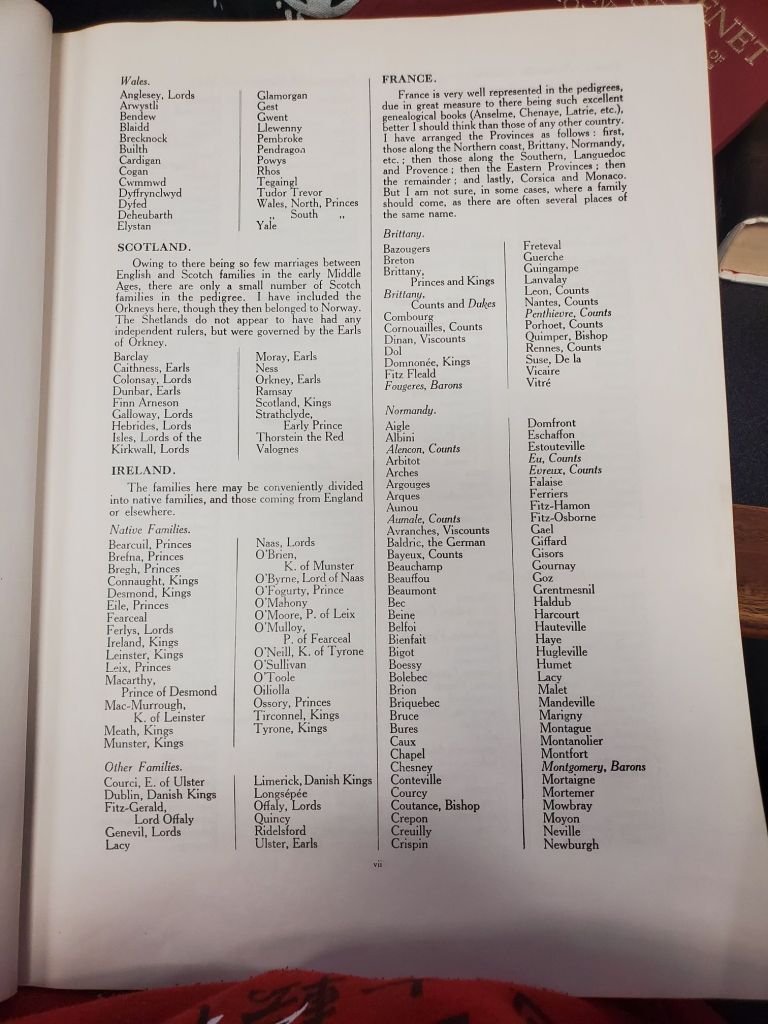
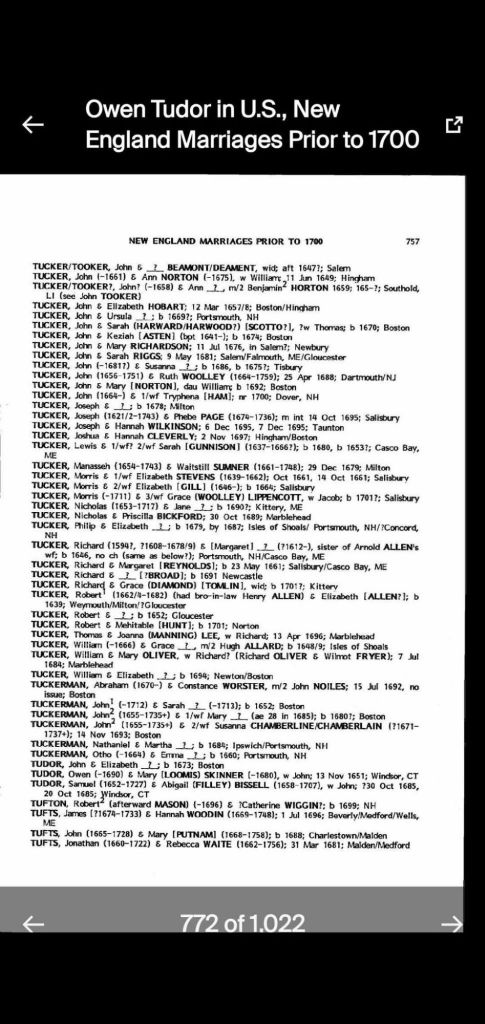
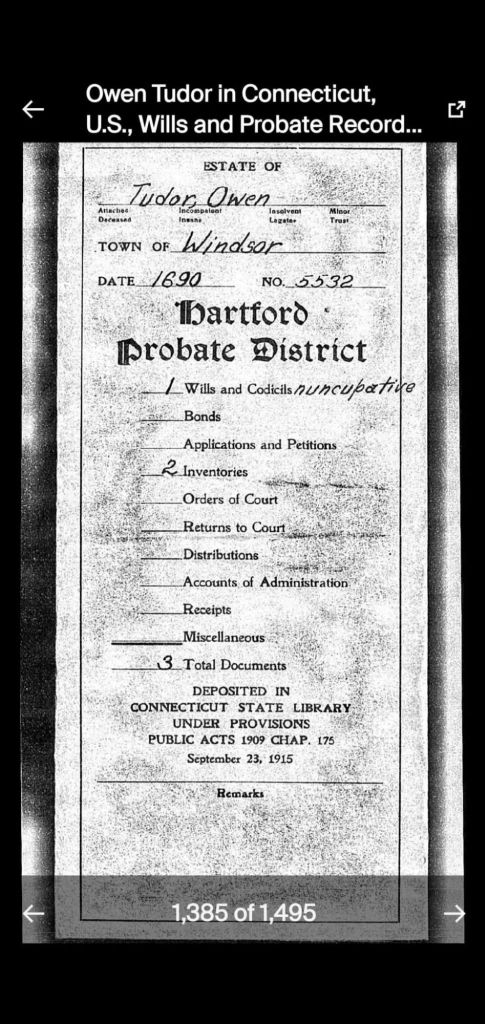
600 Royal Descendants that started migrating to America after all the upheaval as I am also direct of Thomas Wyatt the Younger maternal and paternal. Ive added screenshots in the slide show from the physical book I. went and studied. So I will get more into Wyatt’s Rebellion soon.
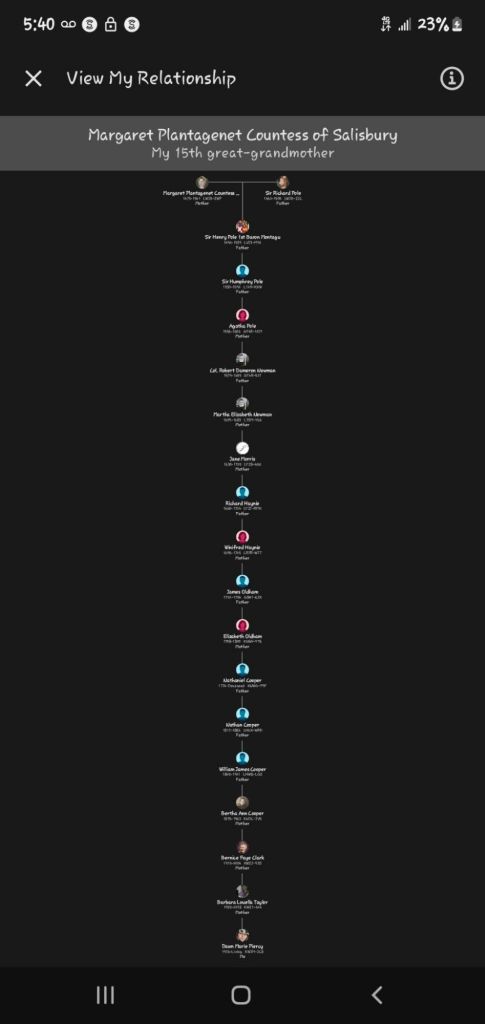
And this also brings me back to Margaret Pole.
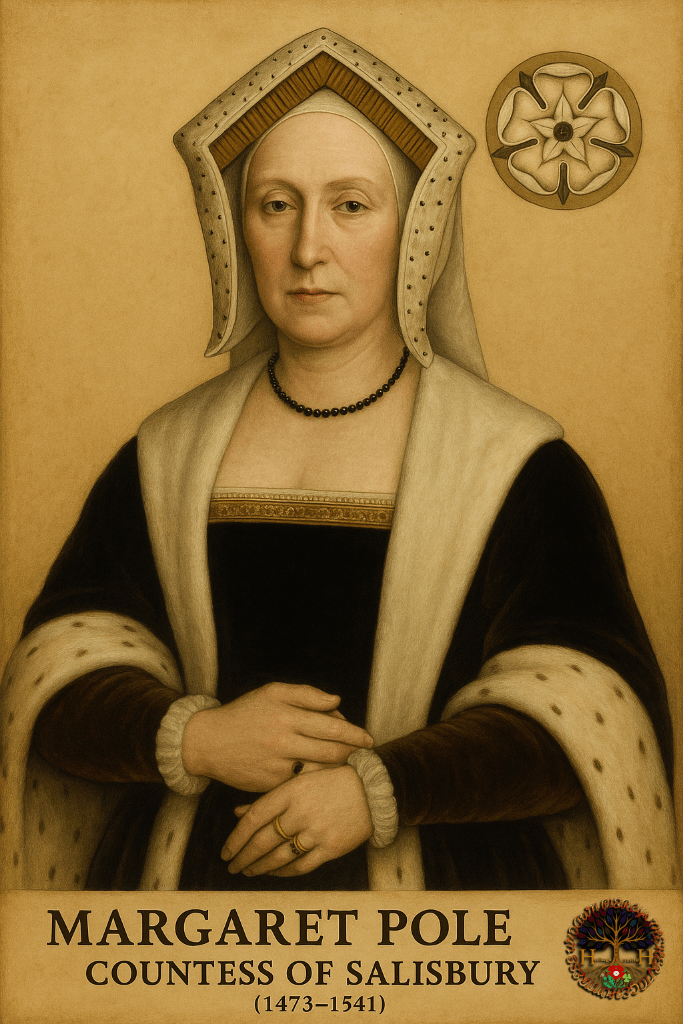
Margaret Pole (Plantagenet), Countess of Salisbury
Born: 14 Aug 1473, Farleigh Hungerford Castle, Somerset.
Parents: George Plantagenet, Duke of Clarence, and Isabel Neville.
Marriage: to Sir Richard Pole, by 1494 (debated: 1487/1491; certainly by 1494).
Widowed: Oct 1504.
Created suo jure Countess of Salisbury: 14 Oct 1513; restoration of extensive Salisbury estates followed.
Religion/role: Conservative Catholic; governess and godmother to Princess Mary (future Mary I).
Died: Executed 27 May 1541, Tower of London; buried in St Peter ad Vincula.
Beatified: 29 Dec 1886 (Pope Leo XIII).
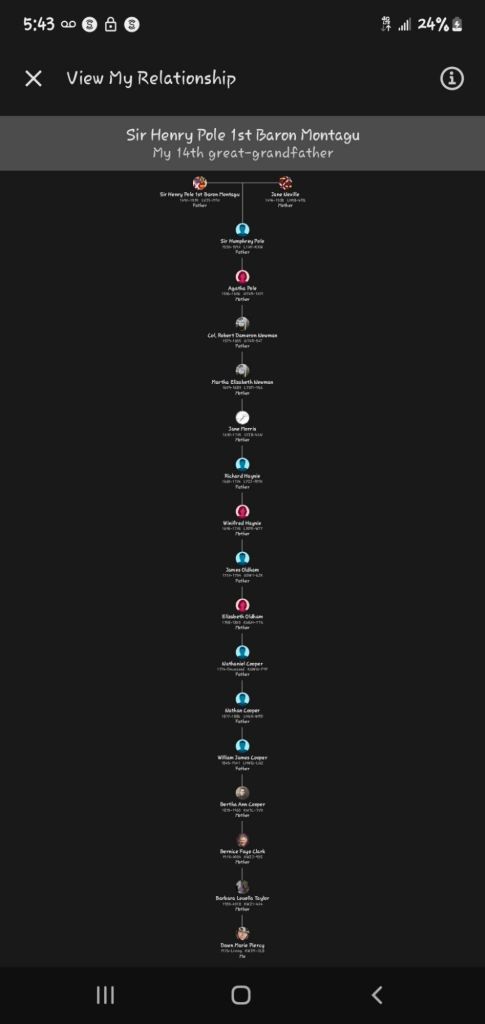
Children: Henry Pole, 1st Baron Montagu; Reginald Pole (Cardinal, last Catholic Archbishop of Canterbury); Geoffrey Pole; Arthur Pole; Ursula Pole (below).
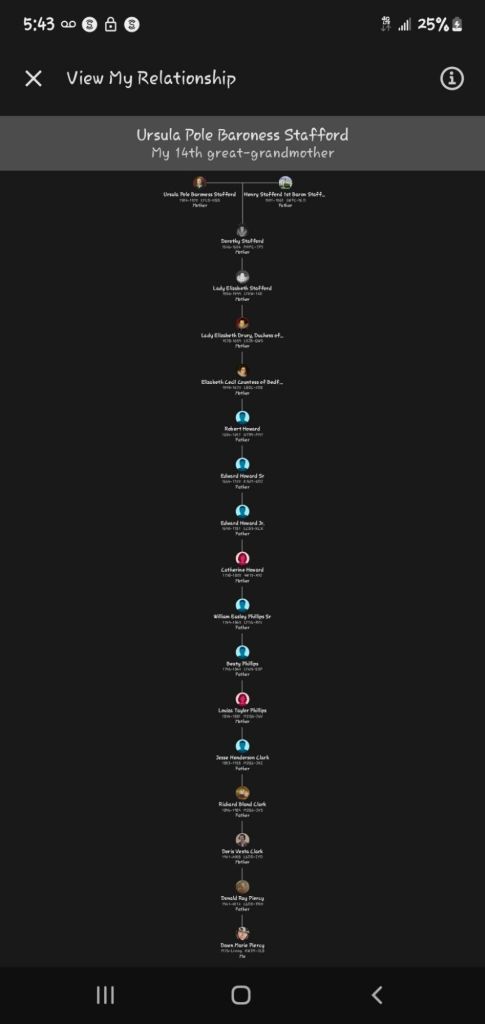
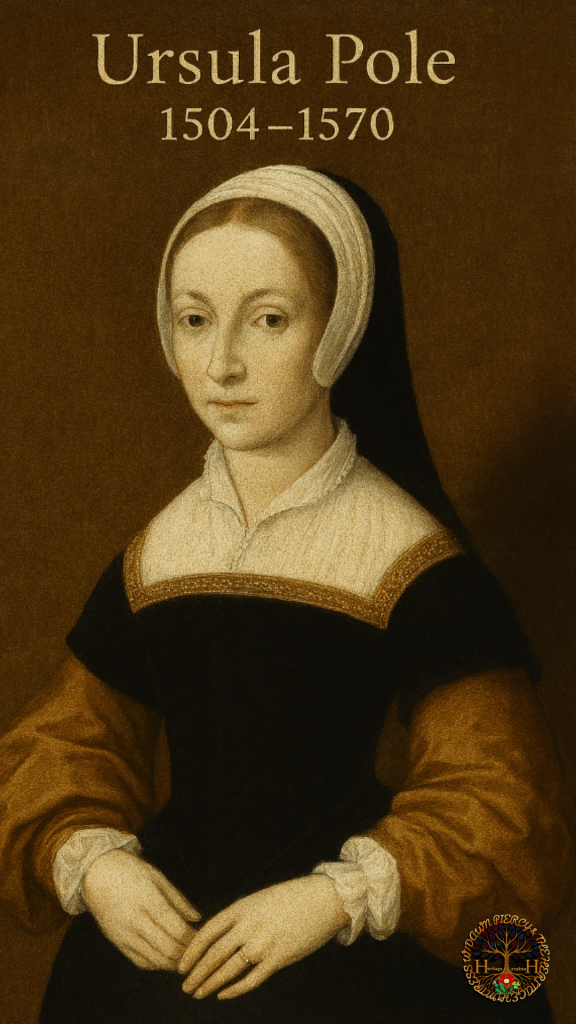
Ursula Pole (Lady Stafford)
Born: c.1504.
Married: 16 Feb 1519 to Henry Stafford (1501–1563), later 1st Baron Stafford; large issue (≈14 children).
Notable children: Dorothy Stafford (1526–1604), long-serving senior attendant to Elizabeth I (monument at St Margaret’s, Westminster).
Died: 12 Aug 1570.
—
Margaret Pole’s downfall — what happened, and when (tight timeline)
1536–1538 — The spark: Reginald Pole (Margaret’s son) publicly attacks Henry VIII’s annulment and royal supremacy (e.g., De Unitate), urging foreign princes to act against Henry. The breach with the king makes the Pole family politically dangerous.
Nov 1538 — Arrests & searches: In the wider purge (often grouped with the “Exeter conspiracy”), Crown agents arrest Margaret and family allies; inventories at her houses are searched for “treasonous” emblems. A white silk tunic embroidered with the royal arms (front) and the Five Wounds of Christ (back)—a badge used by the Pilgrimage of Grace—was later displayed in Parliament as incriminating symbolism.
10–12 May 1539 — Act of Attainder: Parliament rushes through a bill of attainder against Margaret and others; she is condemned without a formal trial.
1539–1541 — Imprisonment: Held in custody, finally in the Tower of London.
27 May 1541 — Execution: Contemporary diplomatic reports (French ambassador Charles de Marillac, Imperial ambassador Eustace Chapuys) record a grim, poorly-handled beheading on a low block inside the Tower precincts. Later retellings repeat that the inexperienced headsman “hacked” multiple times. (Details vary between the two reports.)
> Why she fell: her Plantagenet blood, wealth (among the top tier of peers), closeness to Princess Mary, and—crucially—Reginald’s defiance of Henry VIII combined to make her a target when the Crown moved against conservative networks after the break with Rome.
Margaret Pole (1473–1541) was the daughter of George, Duke of Clarence, niece of Edward IV and Richard III, and one of only two Tudor-era women to hold a peerage in her own right. Henry VIII created her Countess of Salisbury in 1513 and she became a powerful, conservative-Catholic magnate and governess to Princess Mary. After her son Reginald Pole denounced Henry’s religious policies from abroad, the government struck at the Pole family. Parliament attainted Margaret in May 1539; after two years’ confinement she was beheaded in the Tower on 27 May 1541—an execution diplomats described as clumsily botched. Beatified in 1886, she endures in memory as a Plantagenet matriarch destroyed by Henrician politics. Ursula Pole (c.1504–1570), Margaret’s only daughter, married Henry Stafford (later 1st Baron Stafford) on 16 Feb 1519. She survived the 1538–41 purge that killed her brother Montagu and her mother, and through her many children—especially Dorothy Stafford, a senior attendant to Elizabeth I—Ursula’s line stayed close to the Elizabethan court. She died 12 Aug 1570. —
Reference overviews & documents
Letters & Papers, Henry VIII, vol. 16 (1540–1541): https://www.british-history.ac.uk/letters-papers-hen8/vol16
ODNB entry (subscription): https://www.oxforddnb.com/view/10.1093/ref:odnb/9780198614128.001.0001/odnb-9780198614128-e-22451
Calendar of State Papers, Spain (search portal; see 1541 dispatches): https://archive.org/details/letterspapersfor17greauoft (full-text vol. with Chapuys letters) HRP (Tower of London) blog on Margaret’s life/death: https://www.hrp.org.uk/blog/the-extraordinary-life-and-death-of-lady-margaret-pole-countess-of-salisbury/ Biographical pages (concise and citable)Margaret Pole (encyclopedic overview): https://en.wikipedia.org/wiki/Margaret_Pole%2C_Countess_of_Salisbury Ursula Pole, Baroness Stafford: https://en.wikipedia.org/wiki/Ursula_Pole%2C_Baroness_Stafford Henry Stafford, 1st Baron Stafford (Ursula’s husband): https://en.wikipedia.org/wiki/Henry_Stafford%2C_1st_Baron_Stafford DNB (old) on Henry Stafford confirming wedding 16 Feb 1519: https://en.wikisource.org/wiki/Dictionary_of_National_Biography,_1885-1900/Stafford,Henry(1501-1563)
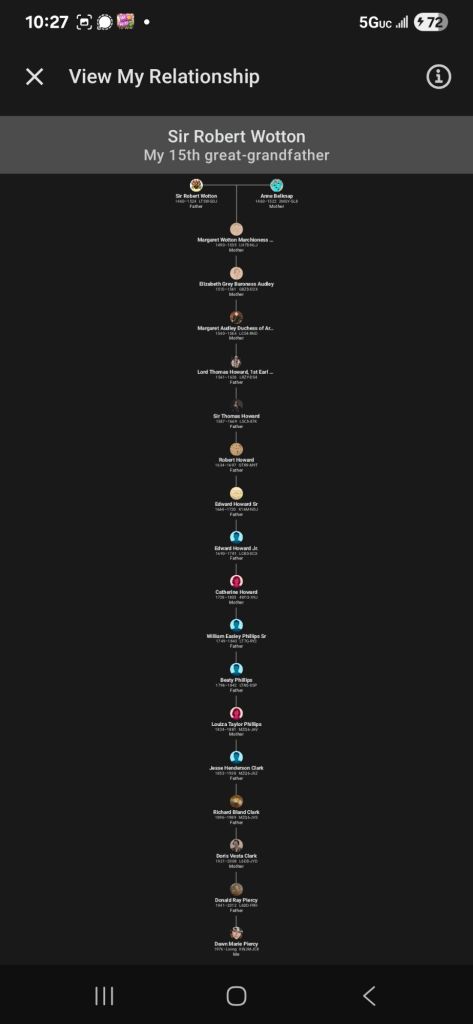
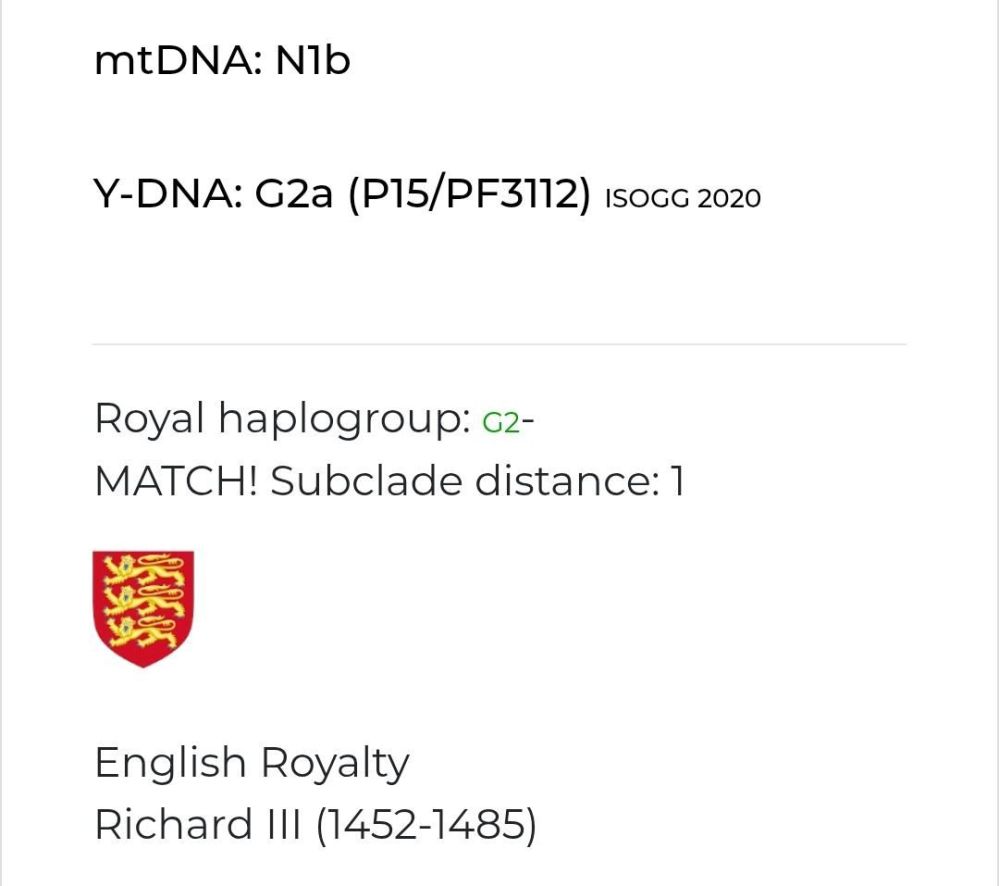
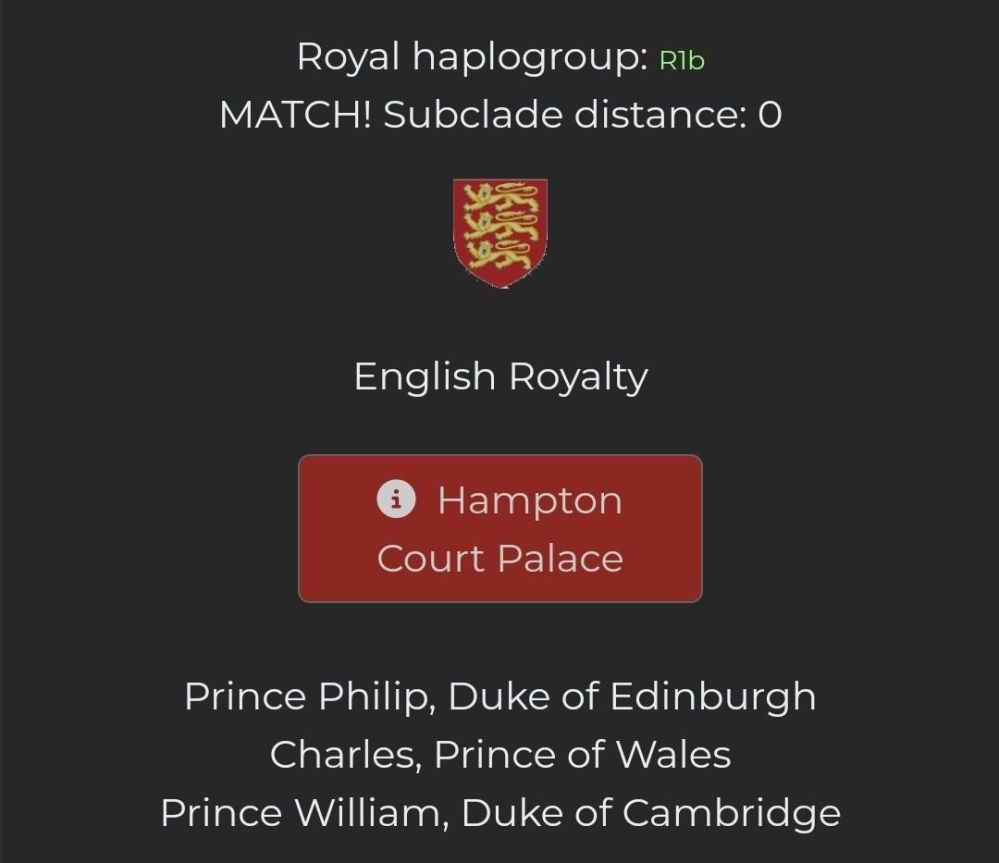
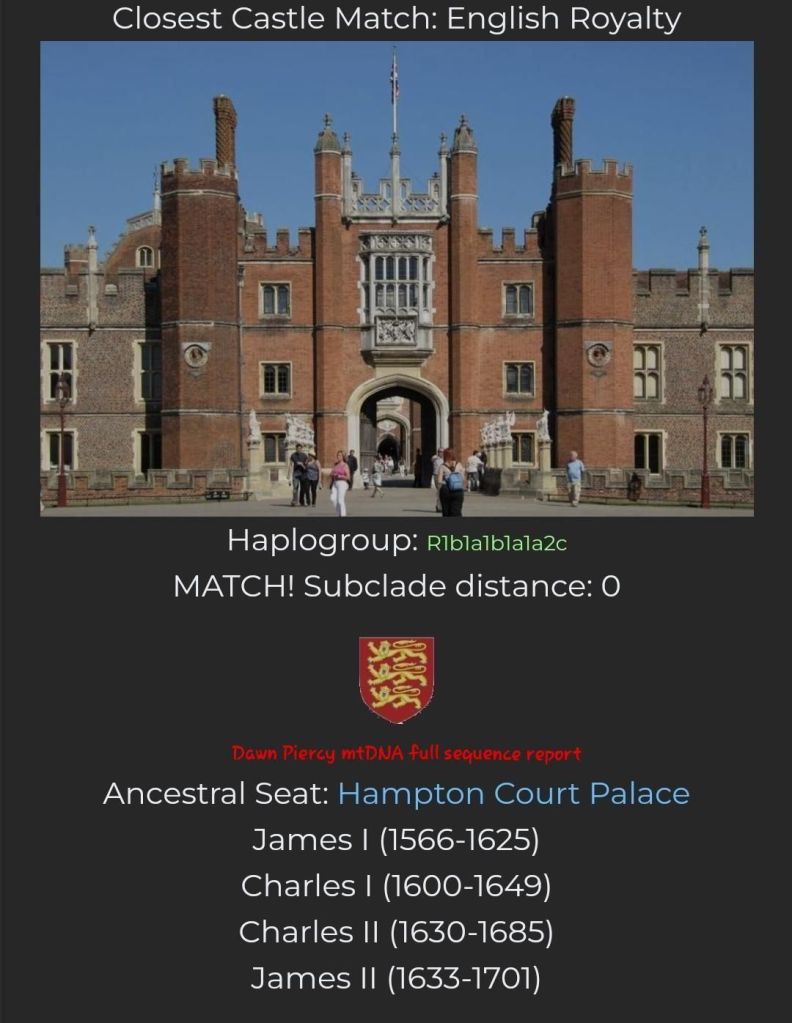
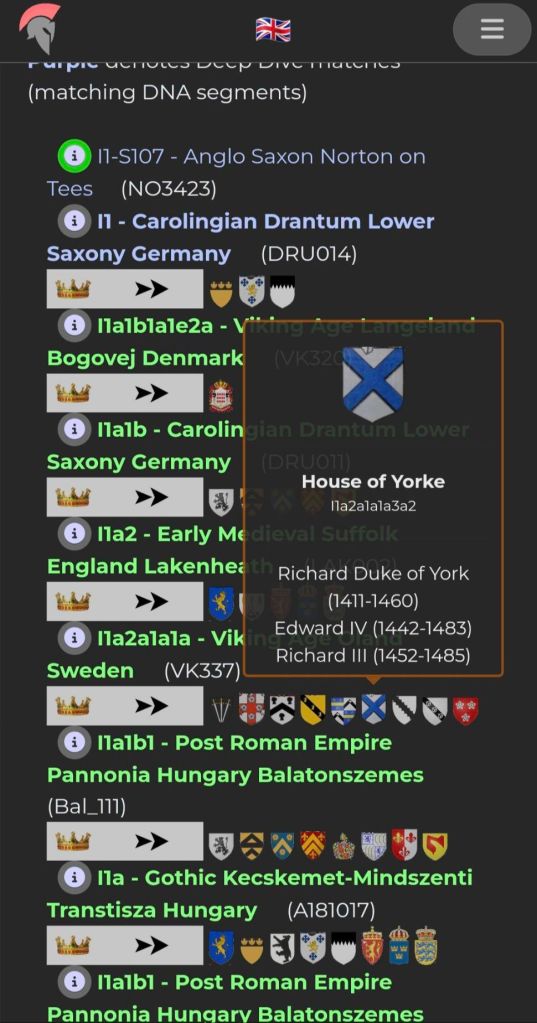
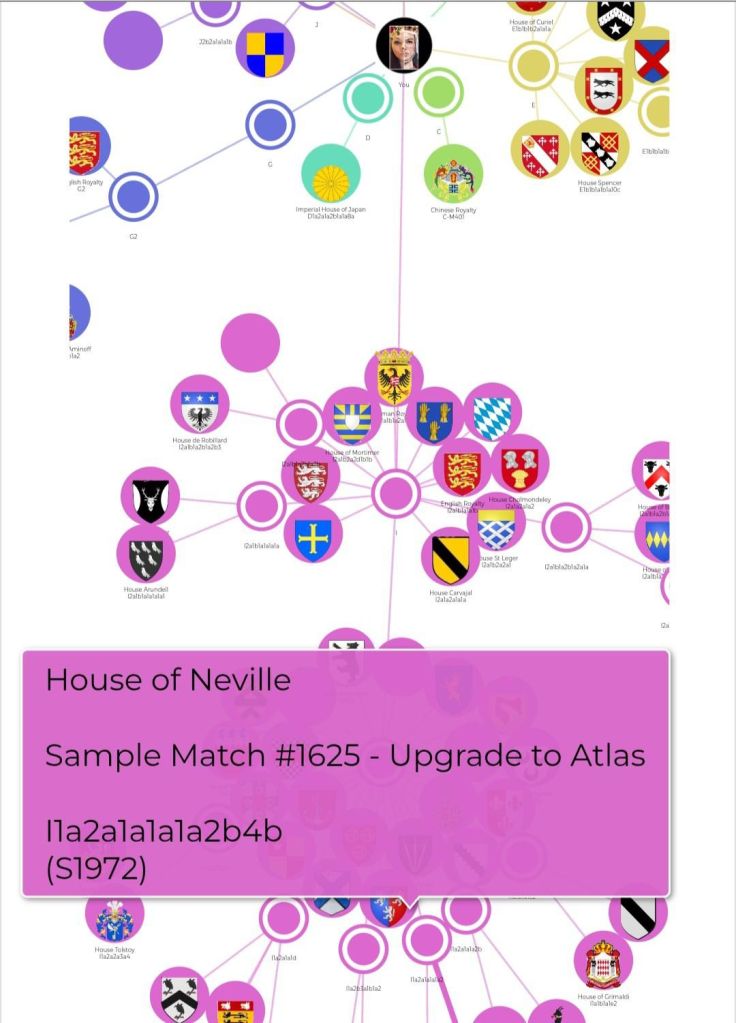
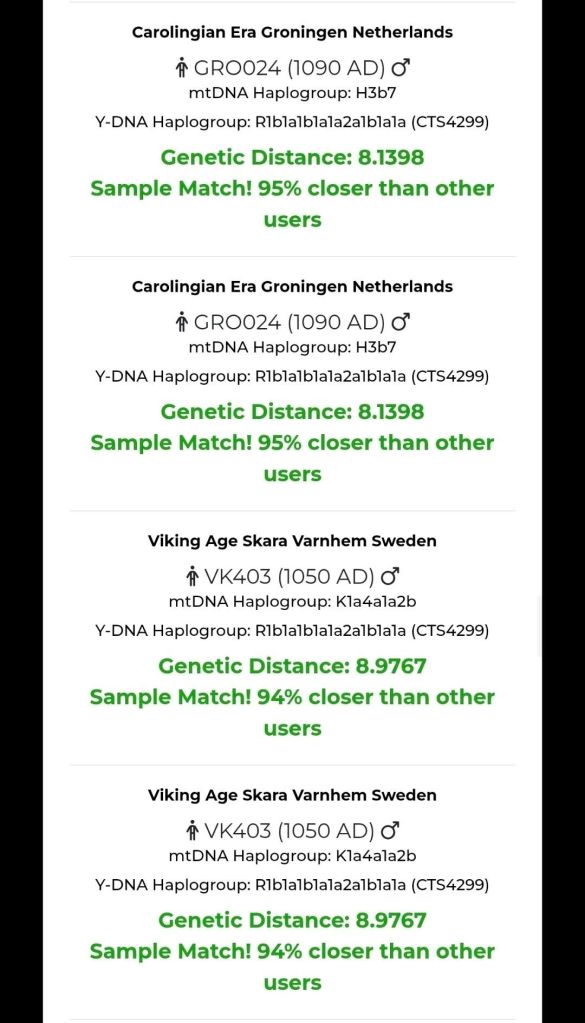
If interested in how I am connected, and where I fit into all of this, information is in the slideshow below.

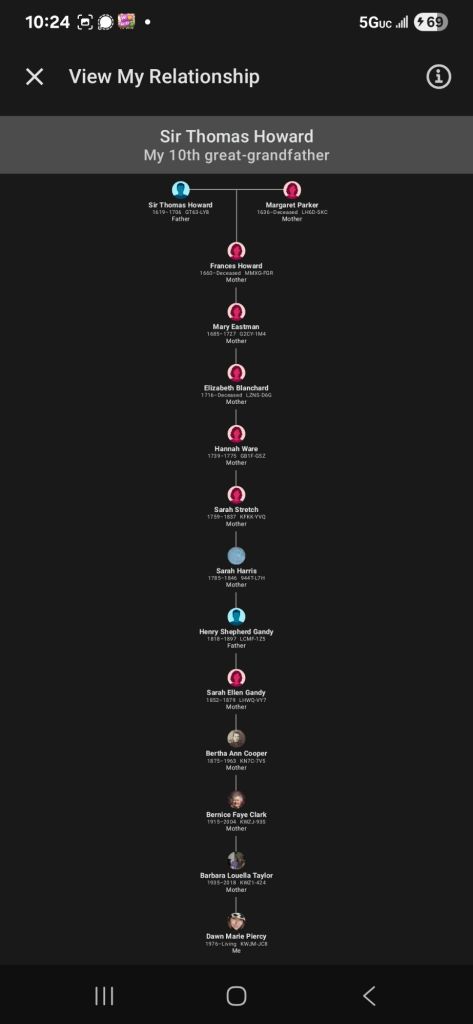
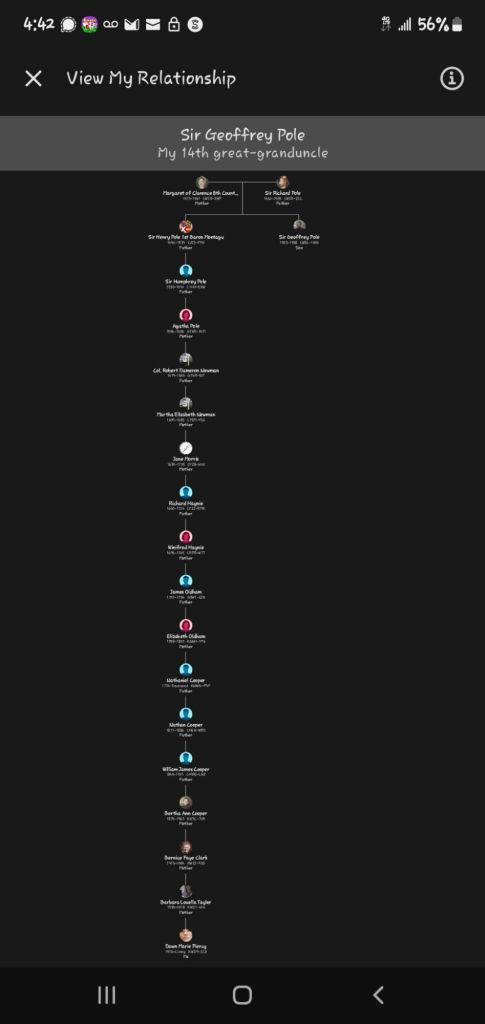

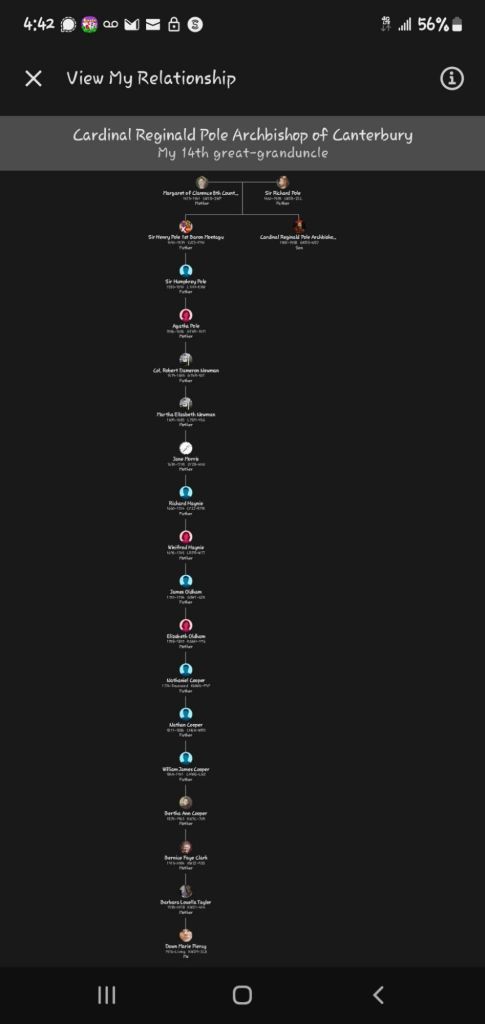
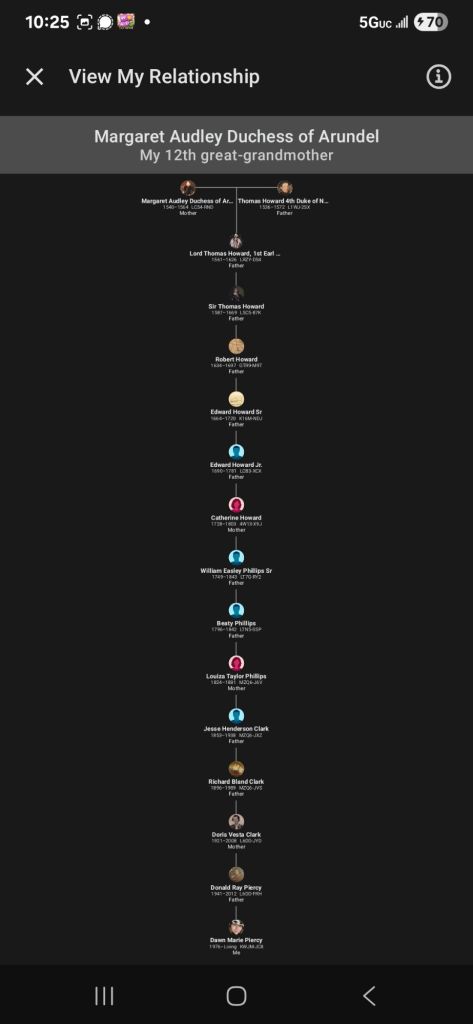











-Dawn Piercy, PhD

 Tdr Now & The Heritage Hunters Podcast